


Google takes a lot of flak for many of its practices with consumers, but this is one time when the Alphabet company is doing the right thing. With all the sadness in Ukraine right now, Google is stepping in and using its services to provide help, most recently deploying an air raid system to help alert citizens when it’s time to see safety.
Google’s Earlier Efforts in Ukraine
Google has been supplying aid to Ukraine since the beginning of the month. On March 1, the company announced that it had donated $15 million on behalf of Google.org and the company’s employees. $5 million from an employee-matching campaign, $5 million in direct grants, and $5 million in advertising credits were given to help “trusted humanitarian and intergovernmental organizations connect people to important sources of aid and resettlement information.”
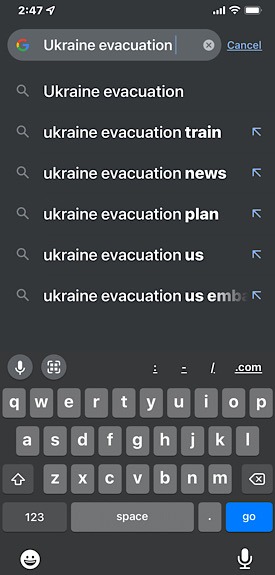
Bug Google also added help via its services. An SOS alert was added on Search so that people searching for refugee and evacuation information would see U.N. resources for refugees and asylum seekers. Google also disabled some of its Maps features in Ukraine that show traffic and how congested an area is to help keep communities safe.
This isn’t entirely new to Google. It’s been going up against Russian hackers for some time. It claims to have issued “hundreds of government-backed attack warnings in Ukraine using products like Gmail.” It has also blocked hackers’ attempts, noting the company has not “seen any compromise of Google accounts as a result.”
Google’s highest level of security, “Advanced Protection Program,” is being used to protect the Google accounts of “high-risk users in Ukraine,” and “Project Shield” is providing free unlimited protection against DDoS attacks on more than 150 Ukrainian websites.
Three days after the first announcement, Google reported it expanded the program so that Ukraine’s government websites, embassies, and other neighboring governments could stay online. It also added another $10 million to its funding.

YouTube channels connected to Russian state-funded media have been blocked so that they can’t advertise or monetize their content. Some channels that were breaking community guidelines have been removed.
Google Cloud credits are being used to extend free services to provide “medical supplies, food relief, and refugee support.” Google also waived international calling fees from Ukraine and to Ukraine from the U.S. on Google Voice and Google Fi.”
Google’s Updated Efforts
Google is not slowing down its aid. It first highlighted a Ukrainian alarm in Google Play to help people get air raid alerts. Now it is working with the Ukrainian government to release a rapid Air Raid Alerts system to Android phones in Ukraine. It works along with existing alert systems and is based on the alerts already being delivered by the Ukrainian government.
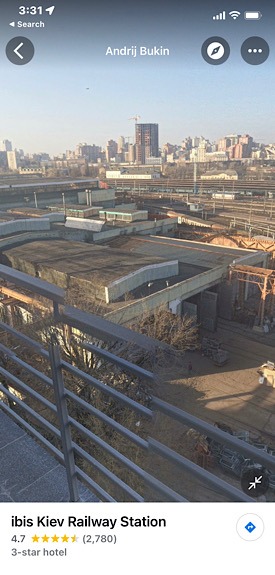
Additionally, Google is allowing Ukrainian hotel owners to include on their business profiles whether they have “free or discounted accommodations for refugees.” Local businesses can also post refugee services and aid to their profiles on Search and Maps. The Google for Startups Campus in Warsaw is providing legal and psychological support to non-governmental organizations.
Finally, Google upped the ante on its commercial activities in Russia: monetization, payments, ads, new Cloud signups, etc., have been paused. However, free services, such as Gmail and YouTube, are still working in Russia.
The next time you read something about Google’s business practices, such as its privacy plans, also remember the good that it is doing for the people of Ukraine.