


Technology myths are everywhere. You might read about it from the Web, or from retailers who are trying to push big unwanted product out of their shops. In some cases, these can be harmless. On occasions, it can cost you money and make you poorer. Let’s take a look at some of the technology myths that cost you money.
1. Open source software is not as good as commercial software
When you are evaluating software to use for your projects, don’t write off open-source software. Most of the time, they are as competent, or even better, than those commercial software.

Most software companies want you to believe that their product is the best and the open source alternative is not up to par to their offering. There is some truth to this, but it is not always the case. For popular open-source software, like Android, the more people collaborate and work on it, the better is the product, and not to mention that it is free.
2. The more megapixel your camera has, the better is the camera
A 2.1 MP photo is clear enough to use as a wallpaper while a 4MP photo is good enough for a 16×20 inches print. We have shown you that it takes more than the pixels to produce a great photo, but sadly to hear, retailers are using the megapixel as the selling points for their cameras. For a simple point and shoot camera, 8MP is more than sufficient.
3. A cheap self-built PC can never be up to par to the factory-assembled PCs sold in store
You might be laughing at your friend for the $700 PC that he built himself, thinking that it is not up to par to the $1500 PC you got from Best Buy. You might be surprised to find that the $700 PC could be better – hardware specification, functionality and performance wise. Most PCs in the store come with generic configuration for the mass market. Unless you are willing to break the bank, you won’t be able to get a customized PC to do heavy-duty work. In additional, the Windows OS installed on these PCs often come with a lot of crapware that can further slow down its performance.
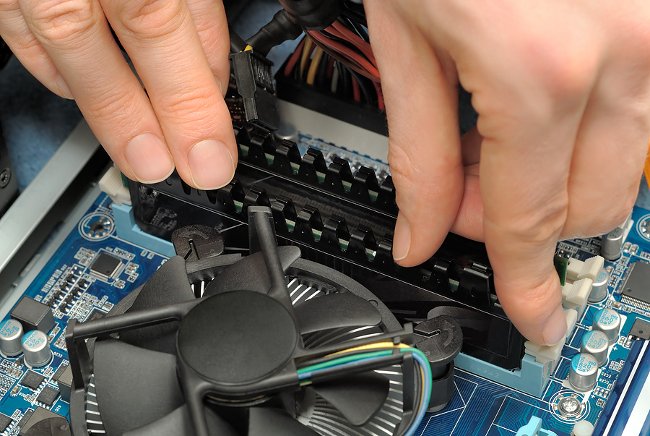
On the other hand, when you built your own PC, you can compare the various hardware and get the best one that suit your needs and is within your budget. You can also choose the OS of your choice – Windows, Linux or Mac OS X (hackintosh), which doesn’t come with any crapware.
4. I need to get an expensive anti-virus software to protect my PC
If you have purchased an anti-virus software that cost $100+ or more, I am sorry to inform you that some of the best anti-virus software out there are free. Most anti-virus software, free and paid, can do a good job in detecting virus and malware. The only point of failure is the user, which is you. If you always click on link, or run exe file without checking the source, even the most expensive anit-virus software out there can’t prevent your computer from being infected.
5. Buying insurance (or extended warranty) for your electronic device is a necessity
When you buy a computer, mobile phone, or any electronic device, the retailer will often upsell you with an insurance or extended warranty. Is it really necessary? We don’t think so, particularly for small item that get obsolete very fast. Consider the cost of all those warranties that you never use and the probability that you need a repair outside of warranty period, it just doesn’t make the insurance (or extended warranty) a worthy deal.

Of course, for big expensive item that costs a hand and leg to repair, and one you expect to use it for years, extended warranty is one thing you surely need to consider.
6. The bigger the monitor, the clearer the image
It all depends on the screen resolution. If you are getting a 30-inch (or bigger) monitor with a minimum resolution of 2048×1152 (better still, 2560×2048), then you are good to go. However, if you are still stuck with the 1920×1080 resolution for a 27 inch monitor, instead of clear images, you will get pixelated images (where each pixel is stretched to cover more screen space). When you are getting a monitor, you hav to look beyond the screen size.
7. An expensive HDMI cable will give you better video quality
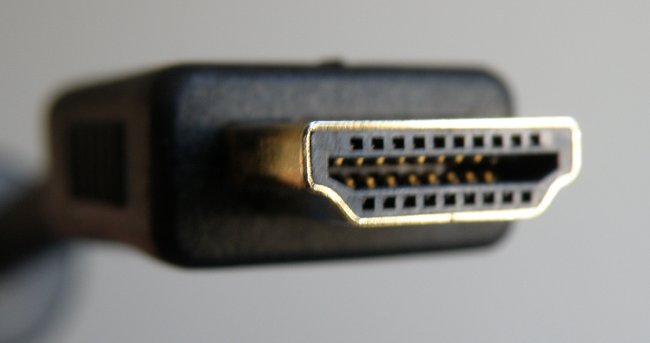
Have you ever seen a $3 HDMI cable selling in Amazon and another selling at $2000? You might be tempted to think that the $2000 cable can give you a better quality that justifiy the 66666% difference in price. The truth is, the $3 cable will work just as fine without any noticeable difference in quality.
Conclusion
The above list of technology myths is definitely not conclusive. There are tons of technology myths out there that cost us money. It is pertinent for us to think and do research before we pay for the bigger or more expensive product.
Image credit: How university open debates and discussions introduced me to open source, coupons, Installing Computer Parts