
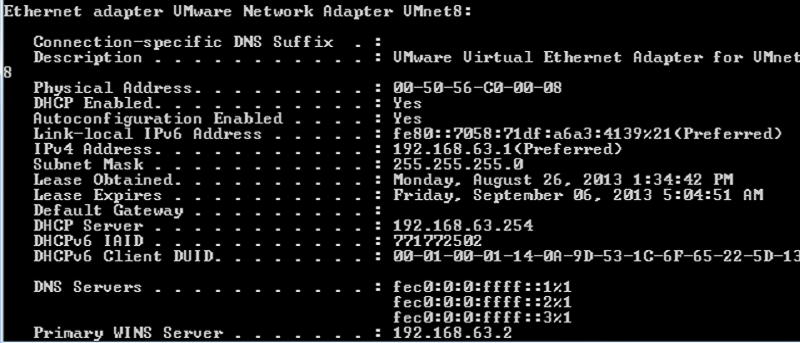

If you’ve ever looked at the details on your network card, you might have noticed an awkward-looking series of alphanumeric characters, separated by either semicolons or a space in a two-by-two fashion. Next to it is either the label “MAC,” “MAC Address,” or “Hardware Address.” As you gaze upon this sequence of characters, a question may pop up in your head: “What in the name of Torvalds is a MAC address?!” And the answer, fellow travelers, is below.
1: What Is a MAC Address?
“MAC” is short for “media access control,” and it is used when talking about unique addresses that identify the hardware we use to connect to the internet. In most people’s cases, this is a network interface controller (NIC).
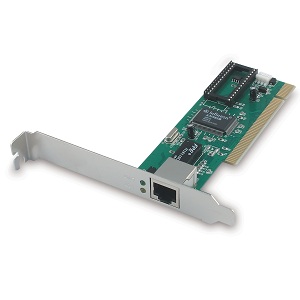
But not everyone uses an NIC to connect to the internet. Some people use internal WAN adapters to make wireless connections (through Wi-Fi). These, too, have MAC addresses. Basically, anything connected to the web by any means is identified with a MAC address. And much like your passport number, it’s unique (at least in your own personal network). At the time each device or network card is manufactured, the manufacturer brands the hardware with the address, which is stored in an on-board chip.
2: What Are MAC Addresses Used For?
That’s the big question, isn’t it? A MAC address sounds like a superfluous thing to have the moment you already have IP addresses. And, in many cases, you are right. However, your home and/or business networks use MAC addresses to communicate internally. This is sometimes superseded by IP communications, but you’re relatively relying on MAC addresses when communicating through the Ethernet layer. It may not always be the case, as technological advances are making MAC-based communication look silly.
For some internet service providers (ISPs), MAC addresses present a really easy way to authenticate computers to give them access to the internet. These ISPs don’t require fancy modems, but do require that your computer’s network card (or your router) have a certain MAC address to gain access to the internet. This was the case with an ISP I used 2 years ago, and it tied a static IP permanently to my computer’s MAC address. There are some disadvantages to having a static IP if you’re a home user, but it works very harmoniously when you host four websites and don’t want to reconfigure everything every time your IP changes.
In short, MAC addresses are chiefly used for two things: internal network communication and external network authentication (on some ISPs).
3: Can I Change My MAC Address?
Although it really isn’t necessary – in most cases – to change your MAC address, most modern network cards and routers have this feature. Their default MAC addresses, however, are often inscribed on them.
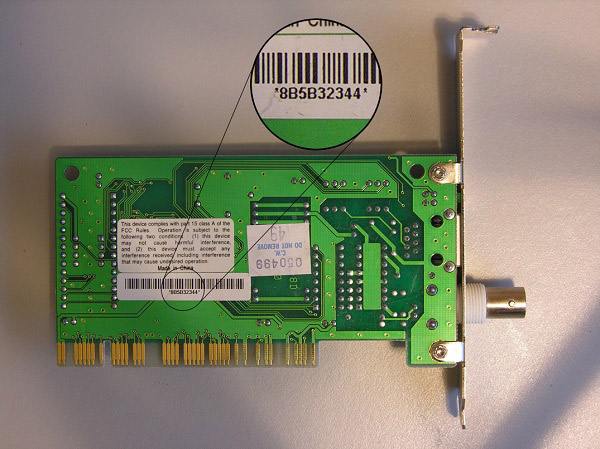
In Windows 7, the process of changing your MAC address is relatively easy:
- Click on your “Start” menu and then click on “Network.”
- Click “Network and Sharing Center” near the top of the window.
- Click “Change adapter settings” on the left-hand side.
- Right-click on the network adapter you’d like to change the MAC address of and click “Properties.”
- Click the “Configure…” button.
- Click the “Advanced” tab.
- Select “Network Address.”
A text box will show up on the right-hand side of the dialog, labeled “Value.” Select the radio button next to it and type in whatever you want. When you select “Not Present,” you revert the value to the default manufacturer-defined address.
Thirsty For More?
If you still have questions about your MAC address, leave a comment with your question. We have lots of smart readers and authors here who are always handy with these topics!