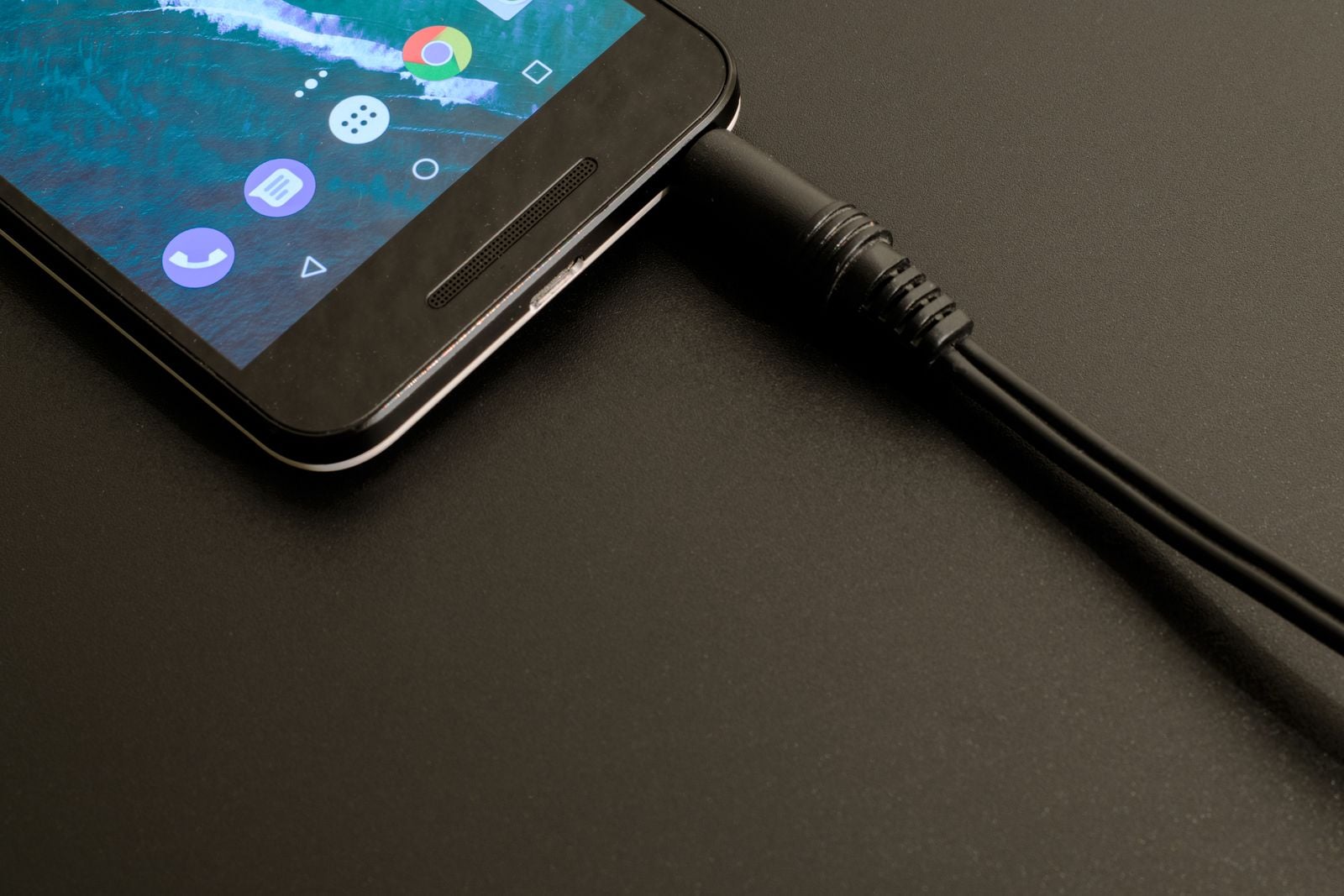
Tech Explained Your phone's 'battery health' number is mostly marketing — the real wear happens in the charge cycles nobody shows you By Make Tech Easier Editorial · Jul 27, 2026
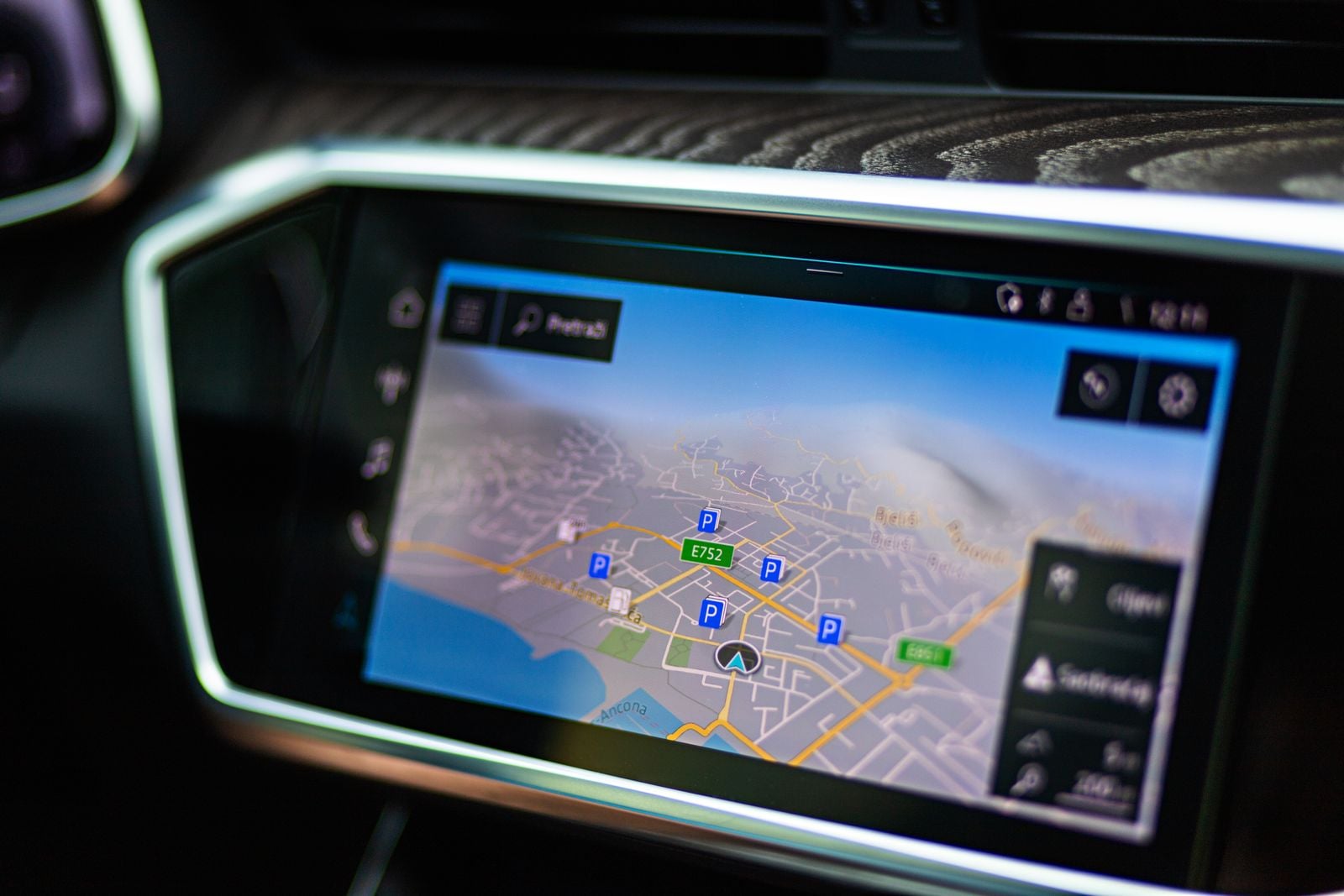
Tech Explained GPS satellites tick about 38 microseconds a day faster than clocks on Earth — a relativistic drift Einstein predicted, and one the system corrects every orbit, or your location would drift 10 kilometres off within 24 hours By Make Tech Easier Editorial · Jul 27, 2026
Tech Explained Every year about 27.7 million tonnes of Saharan dust cross the Atlantic on the trade winds, and NASA's CALIPSO satellite has traced it fertilising the Amazon with roughly the same quantity of phosphorus the rainforest loses to rivers By Make Tech Easier Editorial · Jul 27, 2026
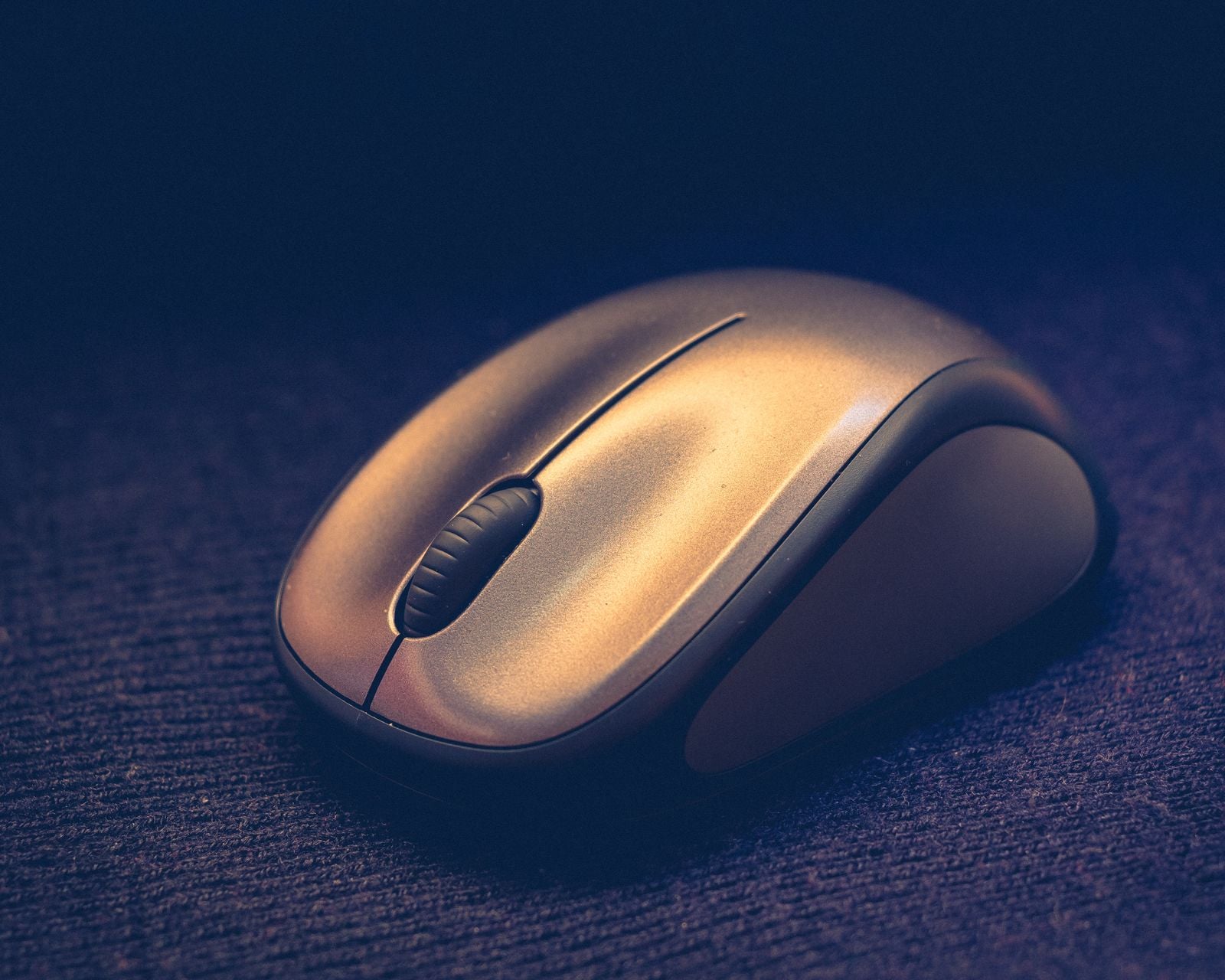
Tech Explained A CAPTCHA no longer asks whether you can read wobbly letters — it silently measures how your mouse moved across the page, because bots trace geometrically perfect arcs and humans wander in tiny, unrepeatable curves By Make Tech Easier Editorial · Jul 27, 2026
Tech Explained How did a Dutch prime minister's 1973 decision to ban cars every Sunday accidentally turn a whole country into the world's cycling capital within a decade? By Make Tech Easier Editorial · Jul 27, 2026
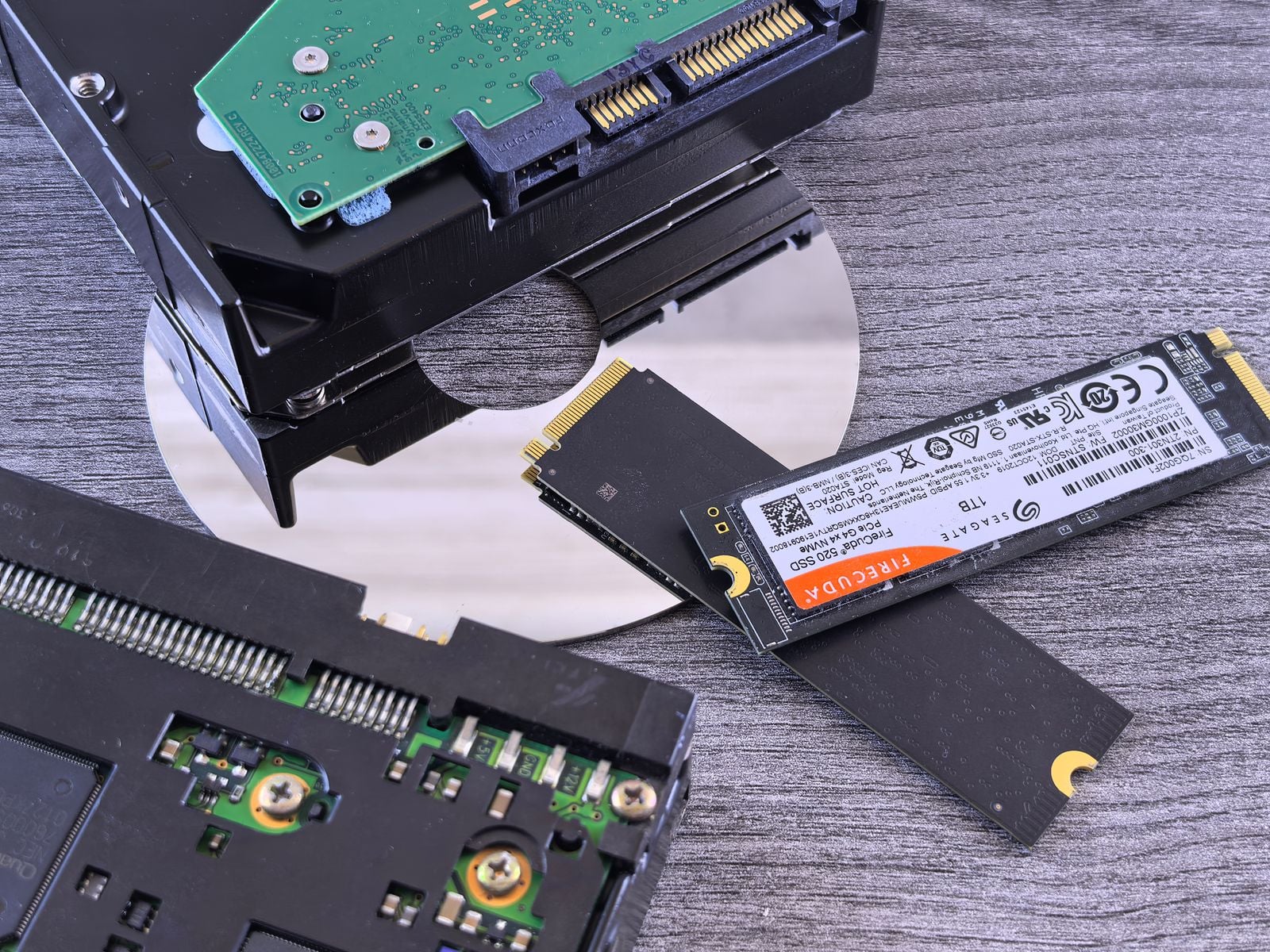
Tech Explained Your SSD doesn't forget files the way a hard drive does — it uses a background process called TRIM that actively wipes deleted blocks, which is why undelete tools rarely work on modern laptops By Make Tech Easier Editorial · Jul 27, 2026
Tech Explained In 2026, scientists assembled the Greenland shark’s 5.9-billion-letter genome and examined retinas from animals more than a century old, finding intact vision, expanded DNA-repair pathways and unusual chromatin machinery inside a vertebrate believed capable of surviving for nearly four centuries By Make Tech Easier Editorial · Jul 24, 2026
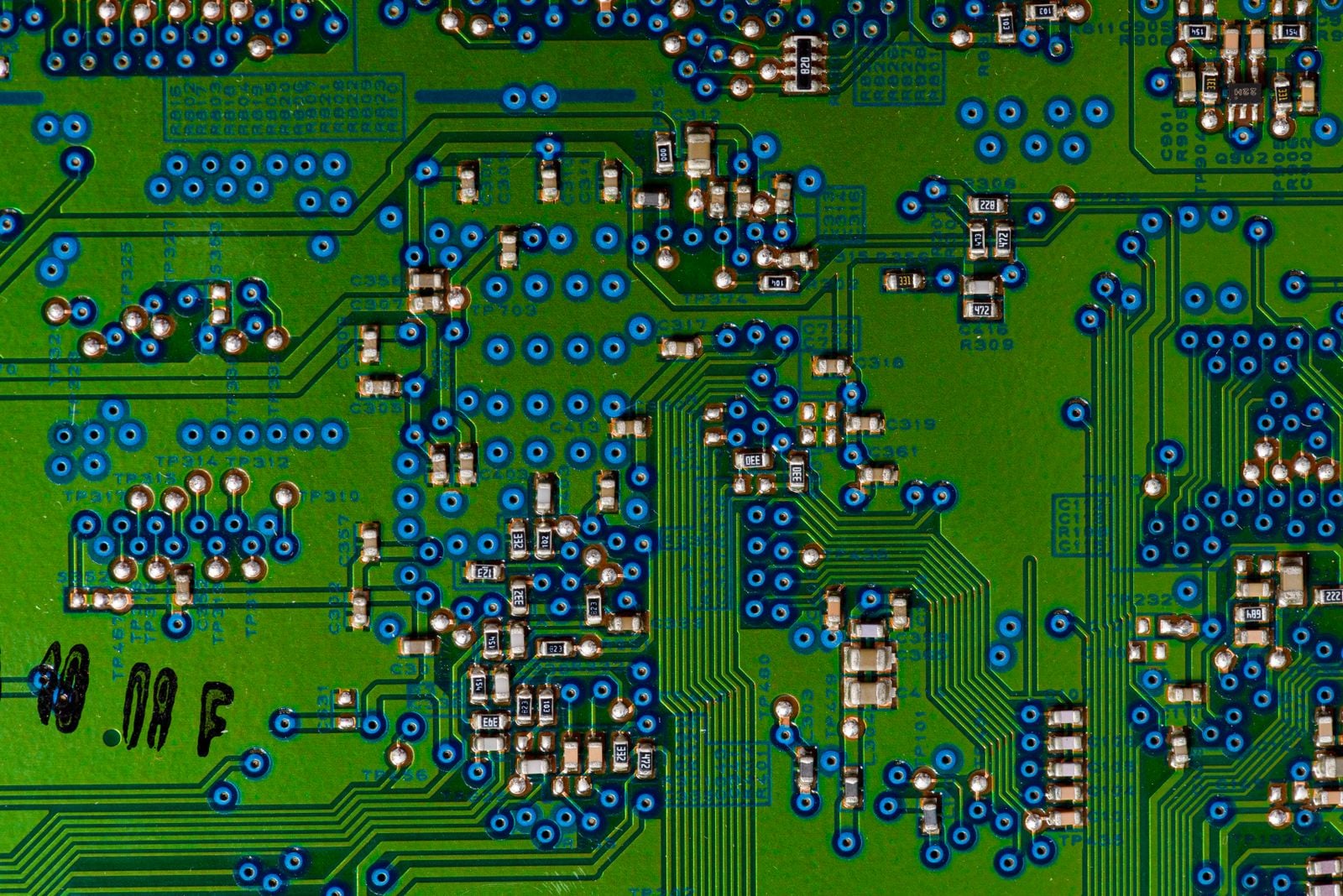
Tech Explained At 3 gigahertz, a processor has only a third of a nanosecond between clock ticks, enough time for light to travel about 10 centimetres in vacuum before real interconnects, logic gates and capacitance shrink the distance a signal can cross on the chip By Make Tech Easier Editorial · Jul 24, 2026
Tech Explained When Adobe announced Flash's end-of-life in July 2017, it closed a technology that had once run on 99 per cent of desktops — and took with it an estimated four million animations, games and interactive works now preserved only by an amateur archive called Flashpoint By Make Tech Easier Editorial · Jul 24, 2026
Gaming When Japan’s trade ministry put the PlayStation 2 under export control in April 2000, its 6.2-gigaflop hardware was considered adaptable for missile guidance, briefly forcing anyone exporting more than one console to seek government approval By Make Tech Easier Editorial · Jul 24, 2026
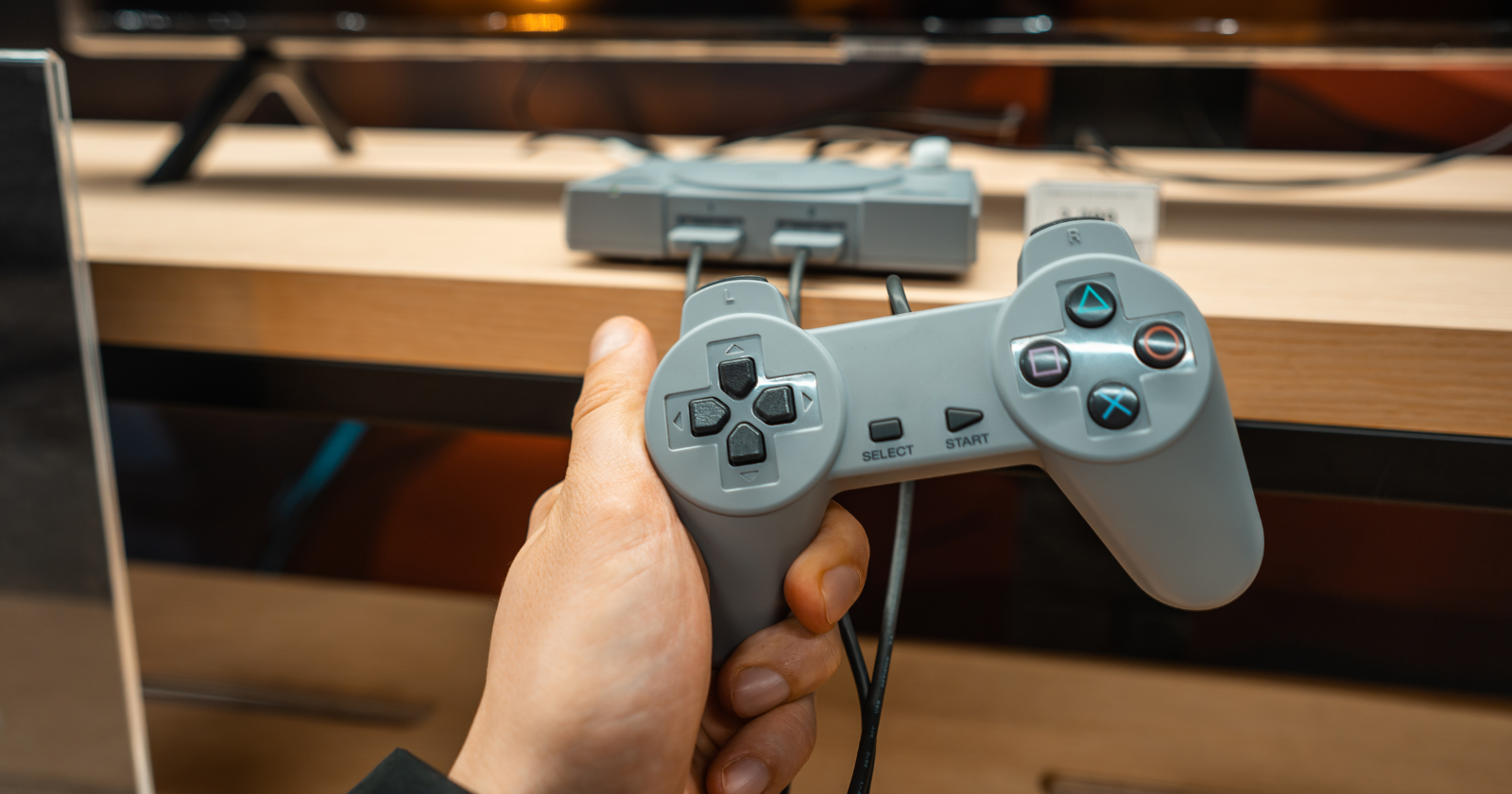
Gaming How did a failed CD deal between Sony and Nintendo in 1991 accidentally create the console that would sell over 100 million units and reshape gaming? By Make Tech Easier Editorial · Jul 24, 2026
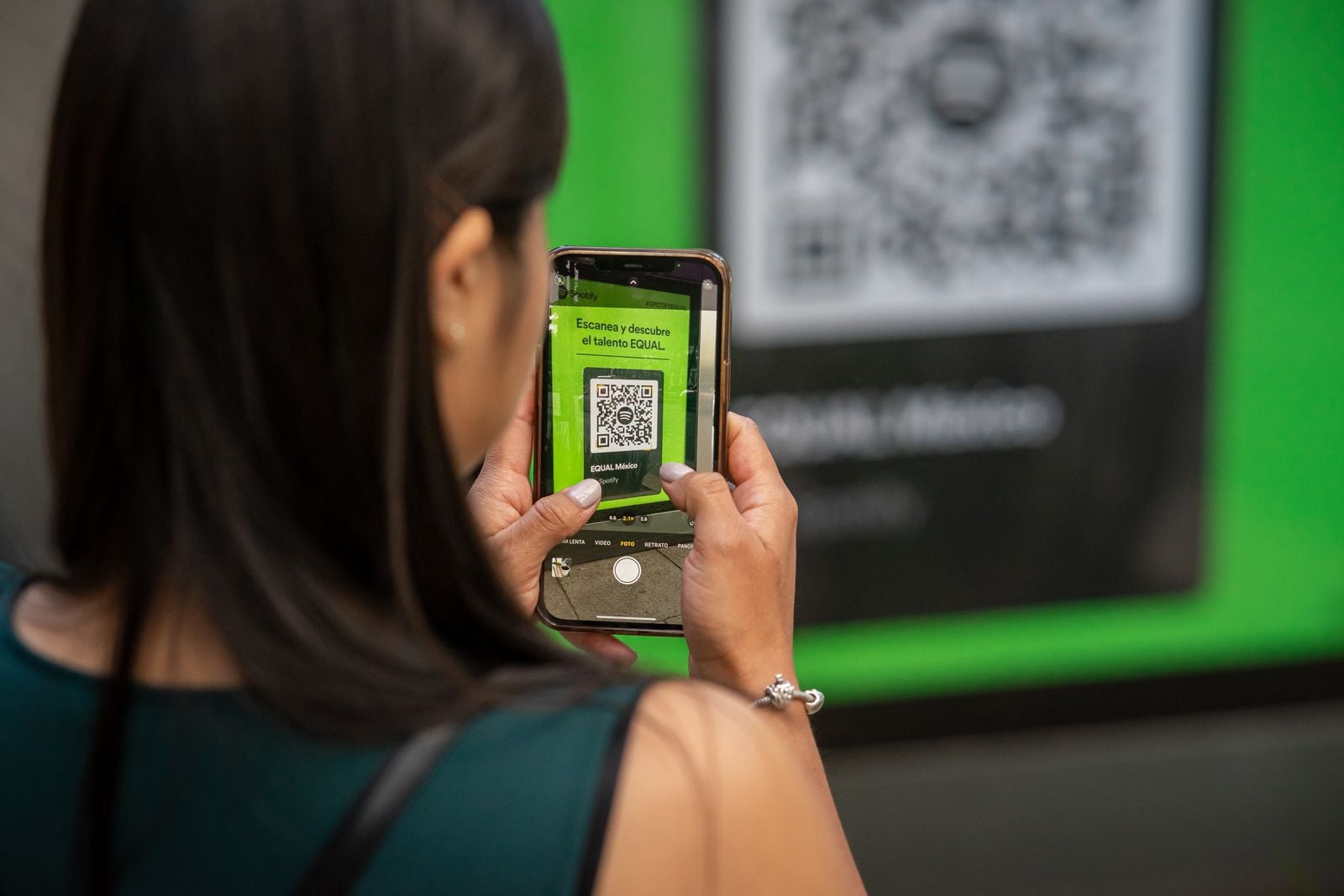
Tech Explained Standard QR codes hide three larger squares in their corners so scanners can orient them from any angle, while their strongest Reed-Solomon setting can restore roughly 30 per cent of damaged codewords, though not necessarily 30 per cent of the visible square By Make Tech Easier Editorial · Jul 24, 2026
Tech Explained In 1911, the Dutch physicist Heike Kamerlingh Onnes cooled a thread of mercury to 4.2 kelvin in a bath of liquid helium and its electrical resistance vanished completely, and a current set circulating in a superconducting loop like that will still be flowing years later, indistinguishable from the day it began By Make Tech Easier Editorial · Jul 24, 2026
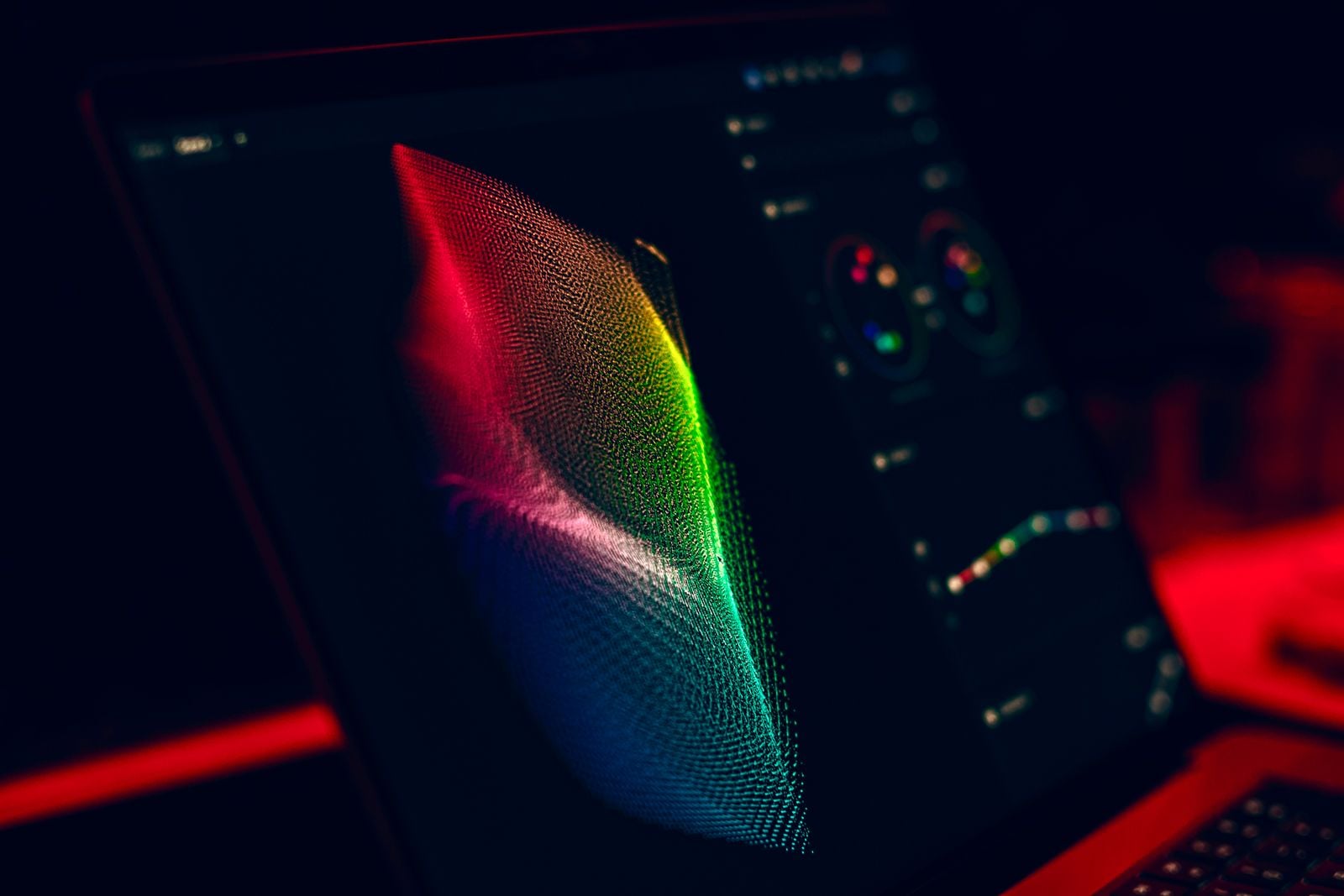
Tech Explained Red, green and blue became the primary colours on every screen because the human retina carries just three types of cone cells — the pixels aren't matching the light, they're matching your eyes By Make Tech Easier Editorial · Jul 23, 2026
Tech Explained Inside a modern processor, transistors switch on and off billions of times a second — and they've shrunk to about 3 nanometres wide, roughly 15 silicon atoms across, close to the physical limit of how small a switch can be By Make Tech Easier Editorial · Jul 23, 2026
Tech Explained In 1987, CompuServe engineer Steve Wilhite built GIF around LZW compression and a palette capped at 256 colours for users on 2,400-bit-per-second modems, and the file structure that emerged still governs the looping images moving through browsers and chats today By Make Tech Easier Editorial · Jul 23, 2026
Tech Explained How did a single mistyped command by one AWS engineer in February 2017 knock a huge slice of the internet offline for nearly four hours? By Make Tech Easier Editorial · Jul 23, 2026
Lifestyle The peak of Chimborazo in Ecuador sits about 2,072 metres closer to space than Everest's summit — because Earth bulges at the equator, and Chimborazo stands almost directly on the bulge By Make Tech Easier Editorial · Jul 23, 2026
Internet Wi-Fi doesn't actually slow down when a café gets crowded — the signal is fine, but every device has to wait its turn to speak on the same frequency, and the polite queuing is what you feel as lag By Make Tech Easier Editorial · Jul 23, 2026
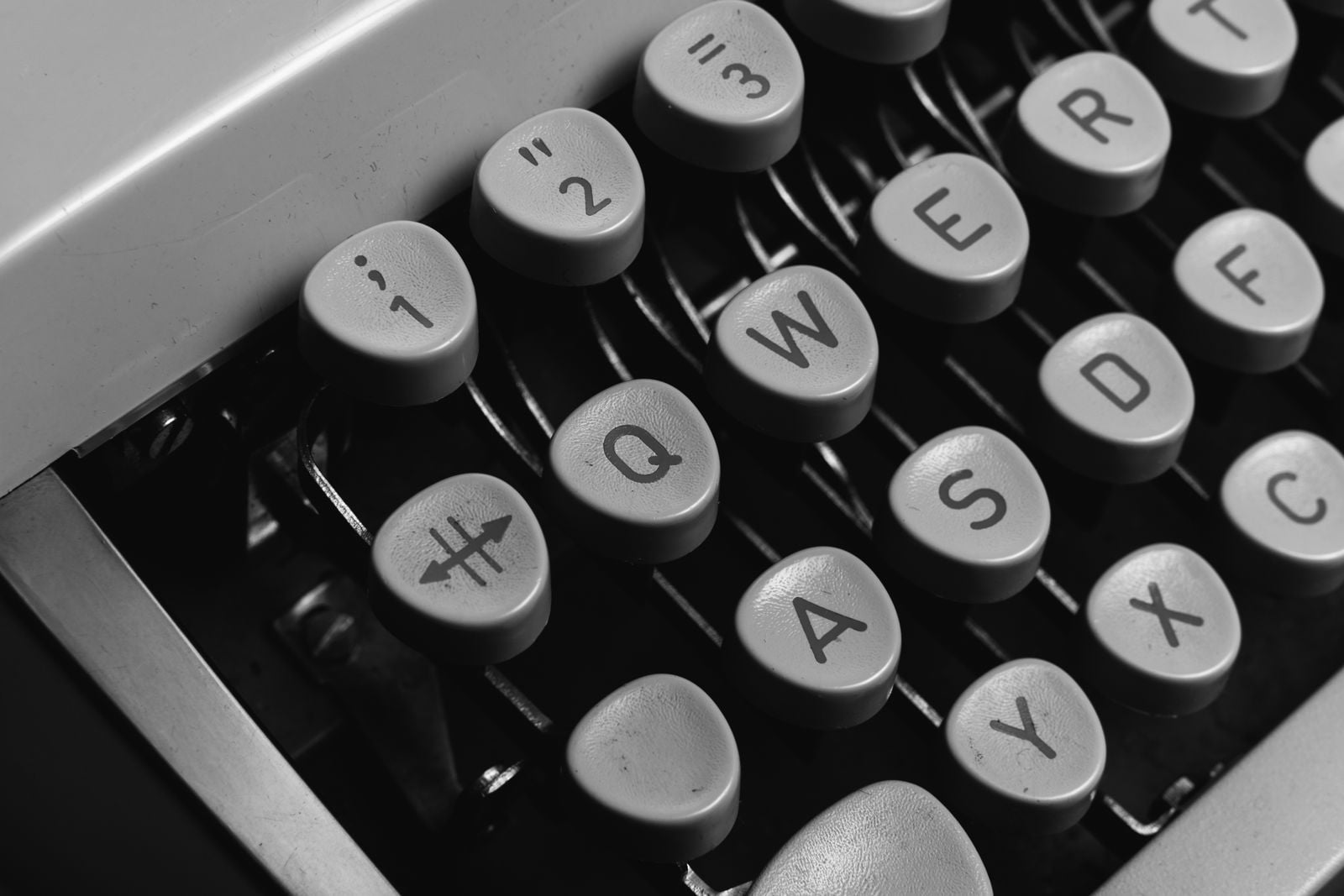
Tech Explained In a Milwaukee workshop in the 1870s, Christopher Latham Sholes spent years rearranging the keys of his mechanical Type-Writer so that commonly paired letters sat far apart, ensuring the metal typebars would swing from different directions and not jam mid-word By Make Tech Easier Editorial · Jul 23, 2026