July 2026
Every article published in July 2026. 64 articles · Back to full archive

Tech Explained

Tech Explained
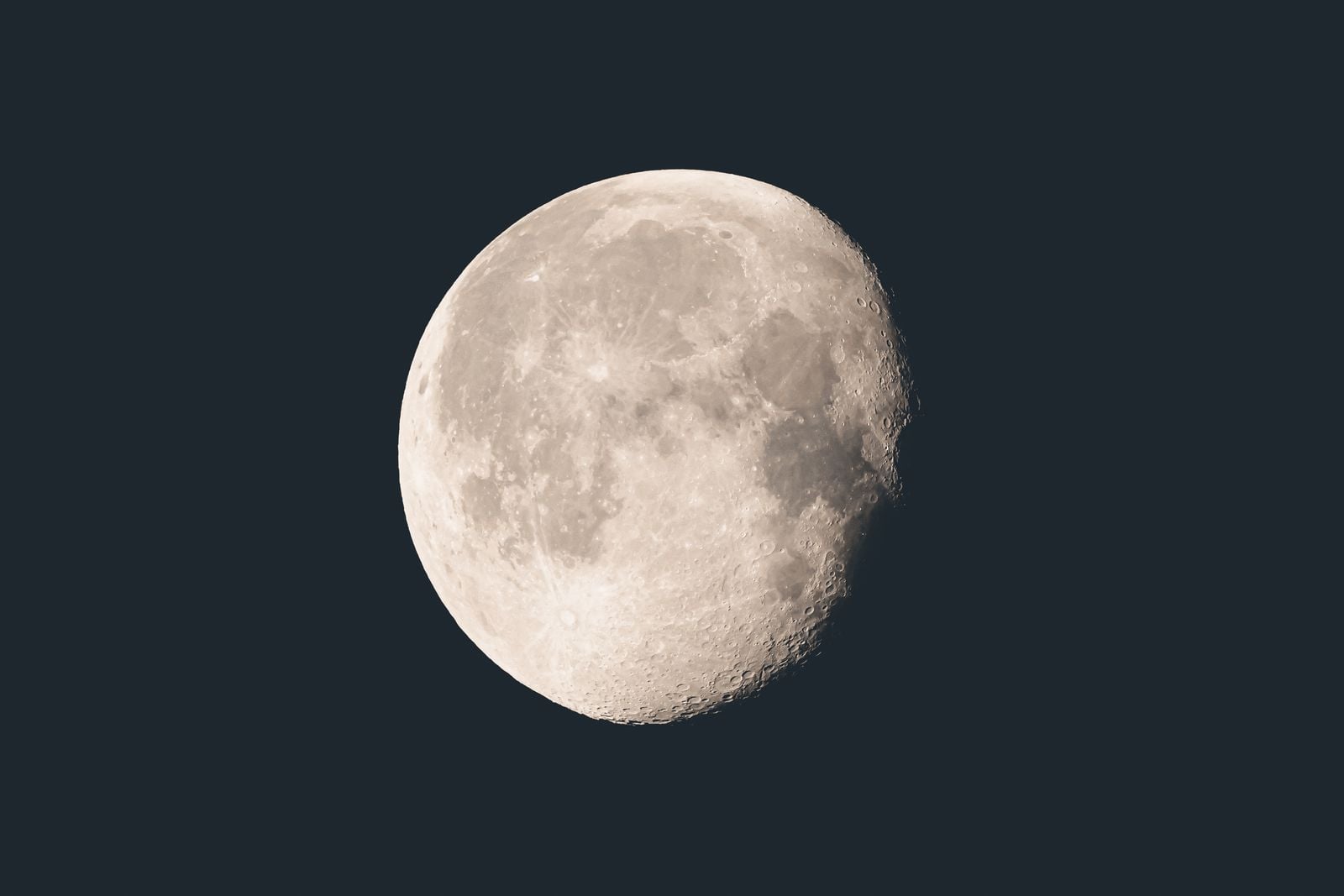
How did a guidance computer with 4 kilobytes of memory, less than a modern greeting card chip, land Apollo 11 on the Moon in July 1969?

Tech Explained
Fast charging isn't killing your battery — heat is, and your phone throttles the charger the moment it climbs past 35°C

Tech Explained
Deleting a file usually doesn't erase it: Windows marks the space as free, HDD data can linger, and SSDs may clear it with TRIM

Tech Explained
A password manager stores your vault in the cloud as encrypted ciphertext, not readable passwords, which is why recovery must be set up before you forget the master password

Tech Explained
Airplane mode was never just about planes: it combines a 1991 FCC network rule with an FAA interference rule dating to 1961

Tech Explained
Incognito mode was never private — it hides your history from the family laptop, not from your ISP, your employer or the site you just logged into

Tech Explained
HTTPS doesn't encrypt which sites you visit — it hides the page contents, but your DNS lookups still broadcast every domain you open in plain text to your internet provider

Tech Explained
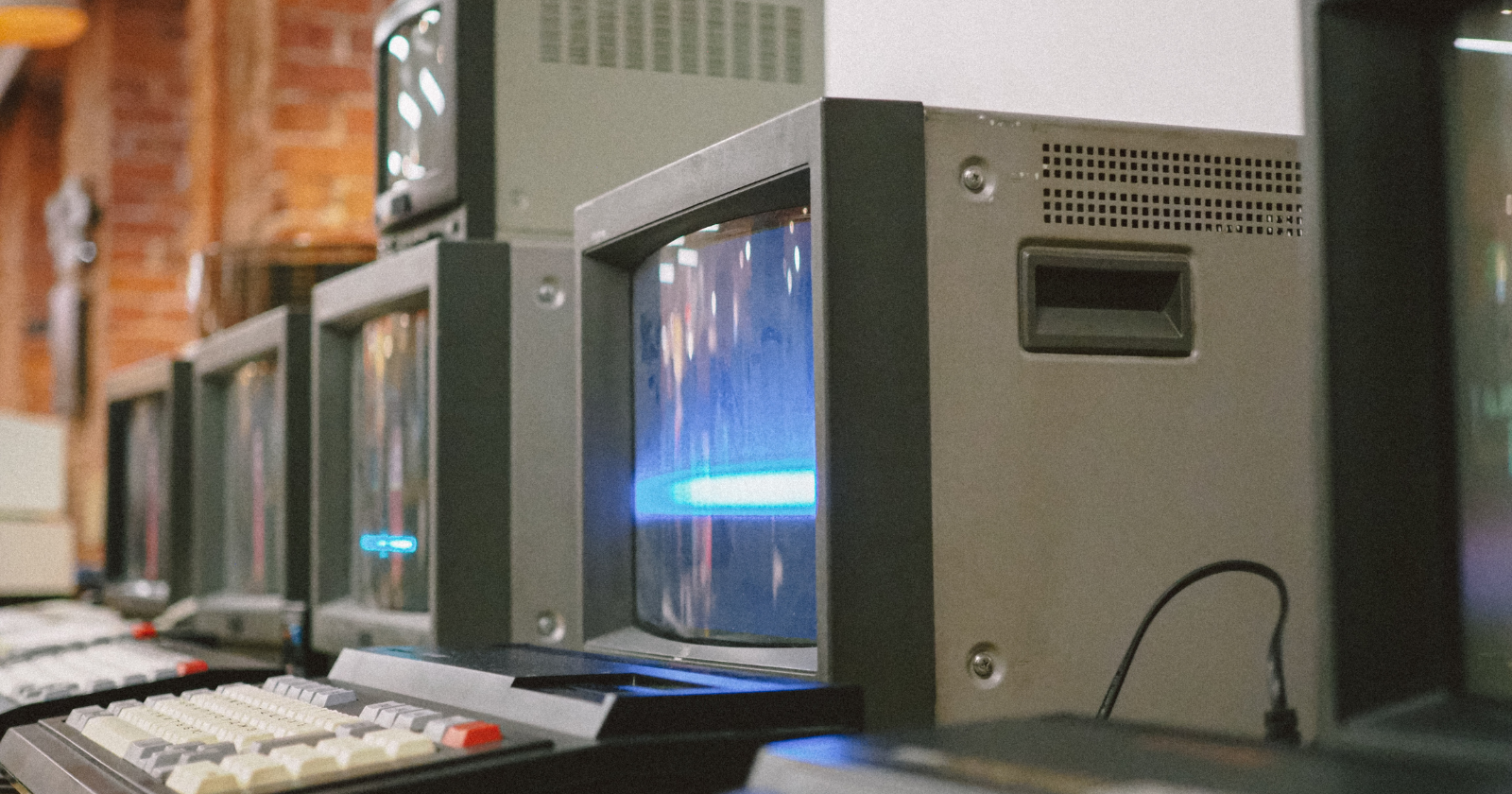
In 1947, Harvard’s Mark II ran on roughly 13,000 electromechanical relays, stored numbers across 100 registers, and read instructions from punched paper tape, turning thousands of clicking metal switches into a Navy calculator vulnerable to dust, loose contacts, and one famously misplaced moth

Tech Explained
In 1971, engineer Ray Tomlinson sent the first networked email between two computers sitting side by side in the same room — he chose the @ symbol to separate user from machine because it was the only punctuation on the keyboard nobody was using

Tech Explained
How did a single computer worm written by a Cornell graduate student in November 1988 crash roughly 6,000 machines and force the internet to invent security?
Tech Explained
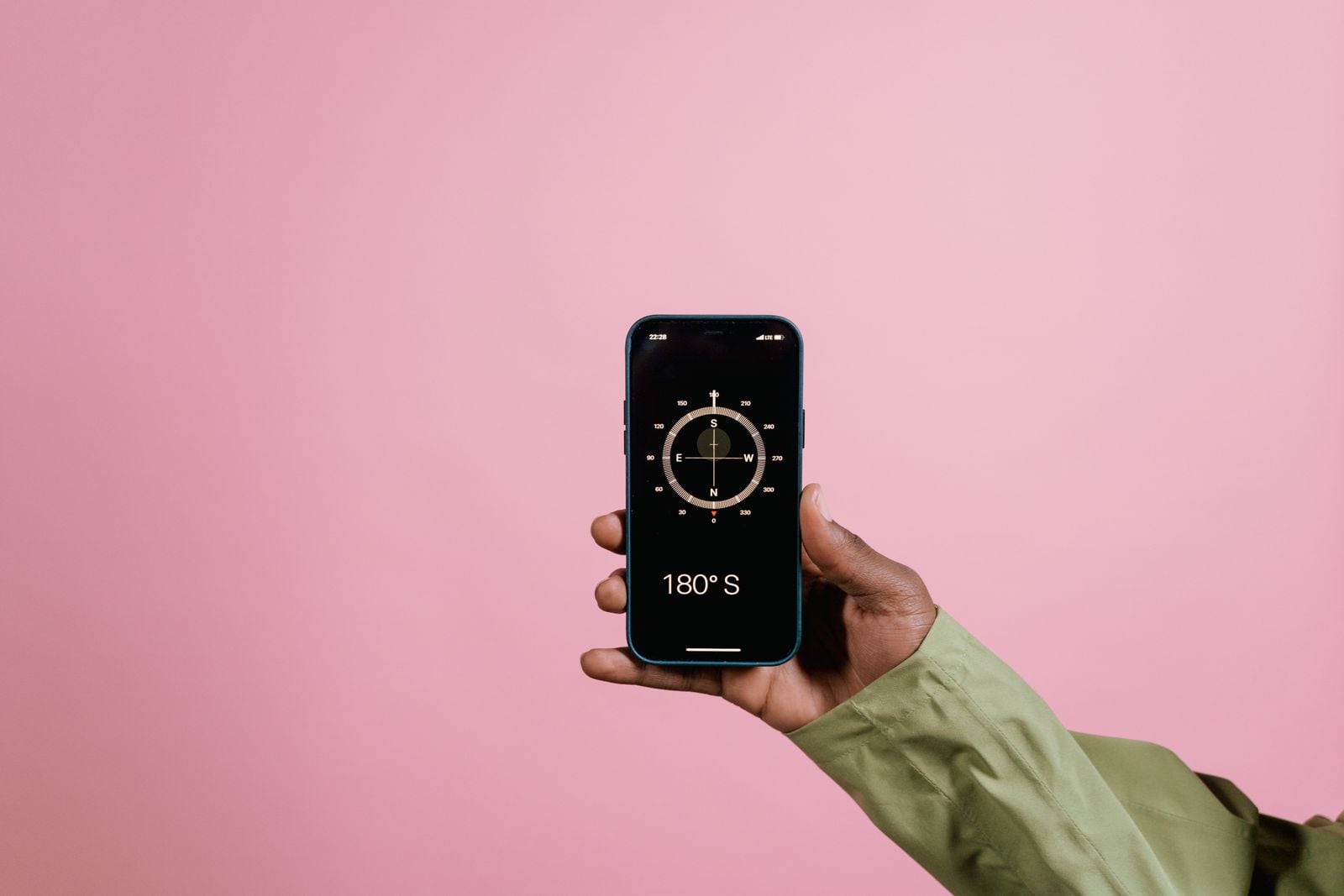
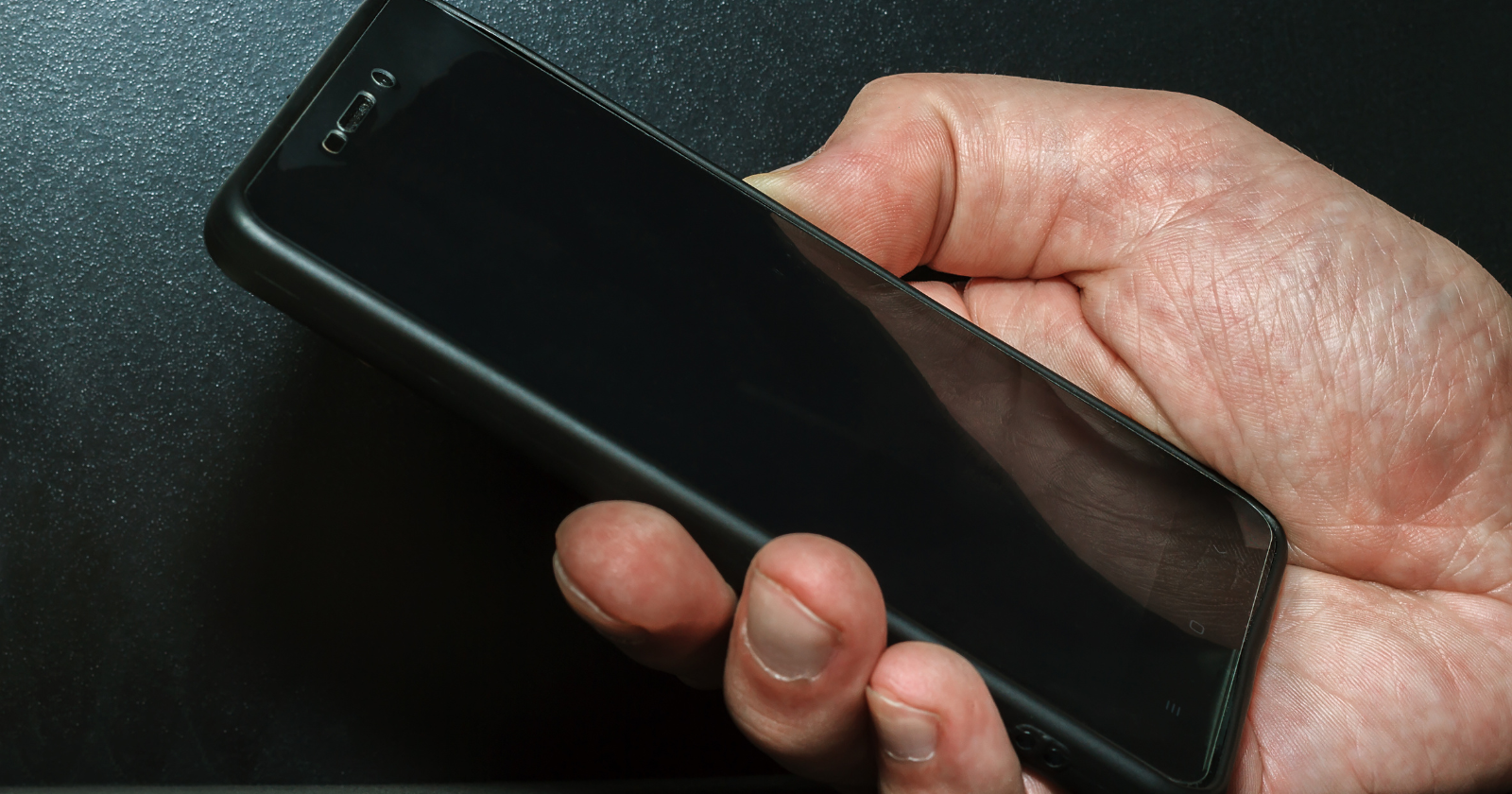
When you tilt a smartphone, gravity shifts microscopic silicon fingers inside its accelerometer by only a few nanometres, changing the capacitance between them and producing the electrical imbalance the phone reads as a new direction for down

Tech Explained
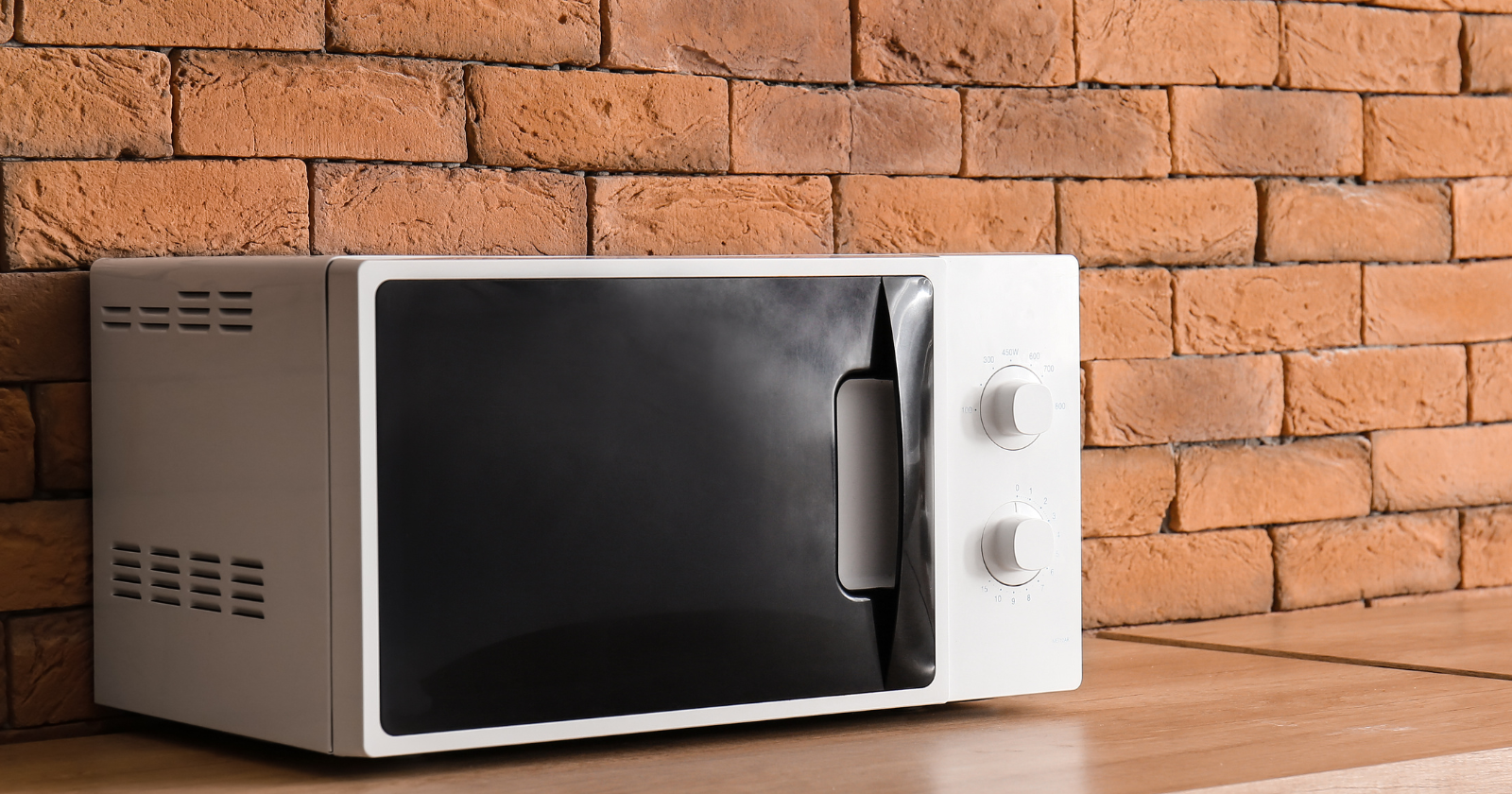
A microwave oven works because water molecules have a slight positive and negative end — the magnetron flips an electric field 2.45 billion times a second, and the molecules twist back and forth so fast the friction becomes heat

Tech Explained
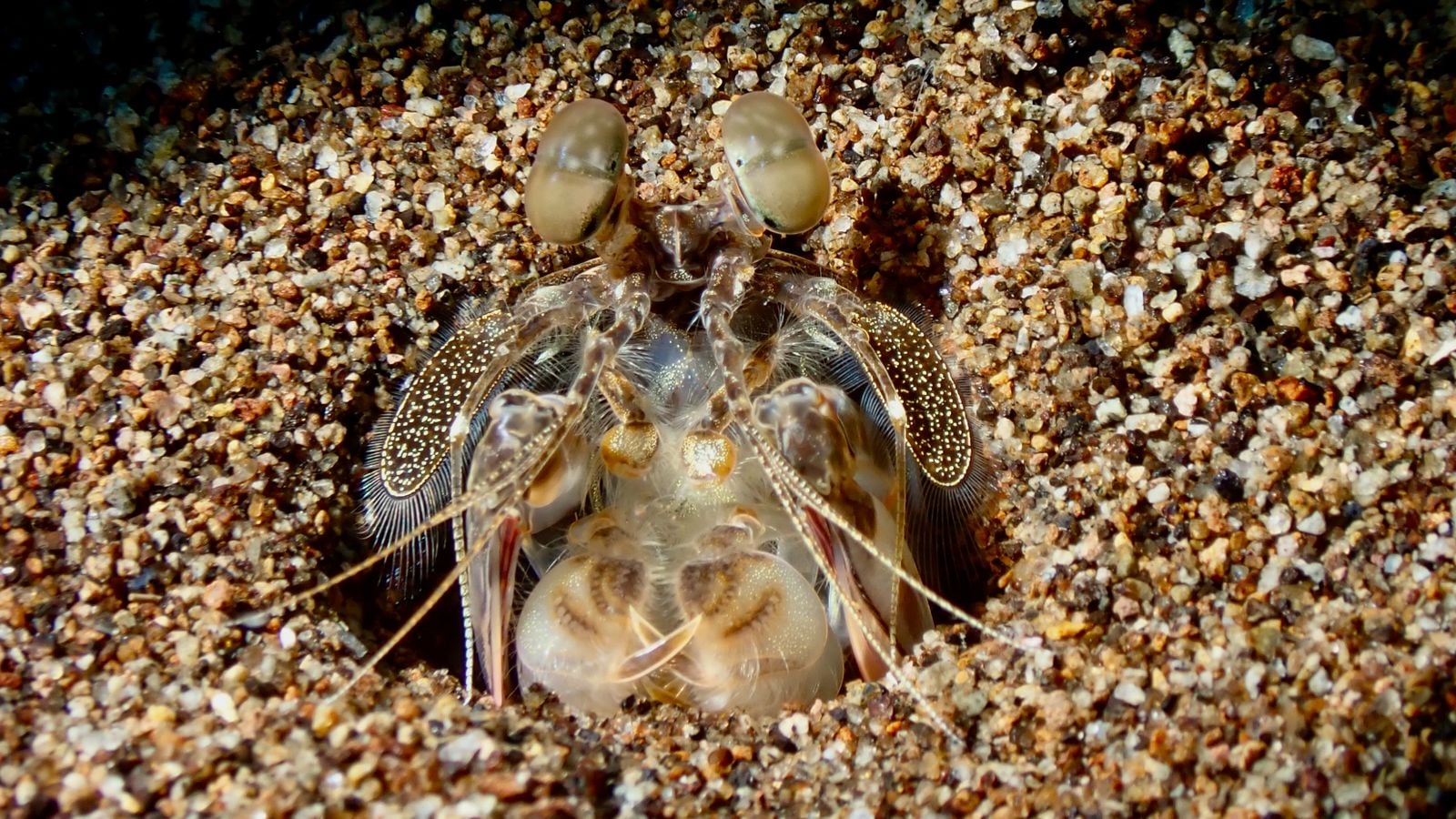
The retina of the mantis shrimp carries twelve types of colour receptor to the human eye's three — and yet experiments suggest it sees colour worse than we do, using the extra channels for speed instead of subtlety

Tech Explained
When a lightning return stroke heats a channel only centimetres wide to roughly 30,000 kelvin, about five times the temperature of the Sun’s visible surface, the air expands so violently that the pressure wave rolls across the ground as thunder

Tech Explained
In October 1957, a beachball-sized aluminium sphere called Sputnik 1 began sending 0.3-second pulses on two radio frequencies from orbit, signals amateur operators around the world could receive, making the space age suddenly audible from Earth

Tech Explained
In 1968, Douglas Engelbart sat before roughly 1,000 computing professionals in San Francisco and demonstrated the mouse, hypertext, video conferencing and shared-screen editing in one 90-minute session, a concentrated glimpse of the interactive computer future later remembered as the Mother of All Demos

Tech Explained
How did a 1956 shipping container standardised at 8 by 8 by 20 feet cut cargo loading costs from about $5.83 a tonne to 16 cents and quietly rebuild world trade?

Internet
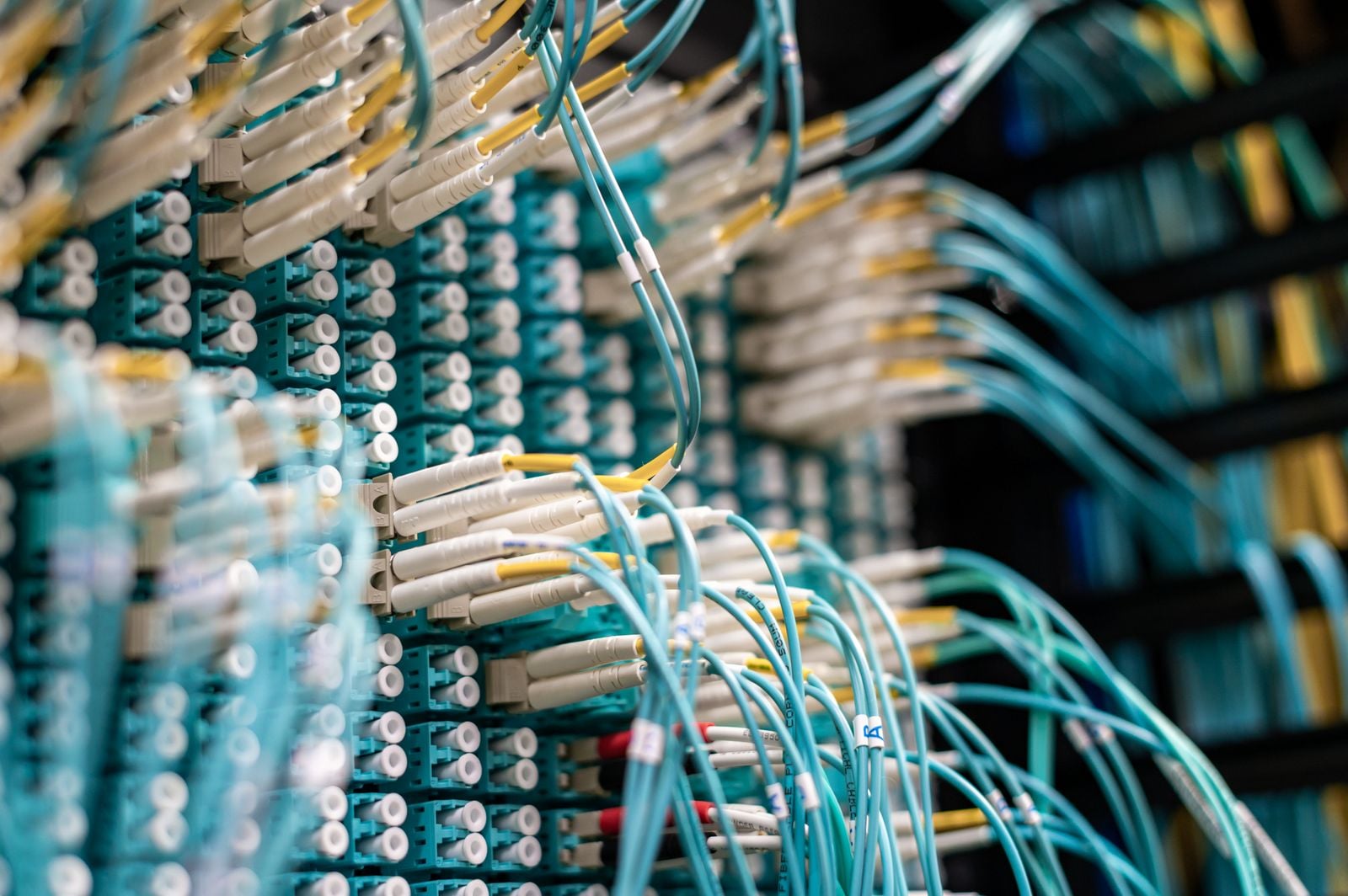
Content and cloud networks now account for three-quarters of used international bandwidth, while Google, Meta, Microsoft and Amazon own, co-own or buy capacity on a growing share of the 600-plus submarine cable systems carrying over 99 per cent of data between countries, a private map hidden below the wireless internet

Tech Explained