

Ever open YouTube to watch one quick clip, and suddenly you’ve lost a whole evening to the never-ending scroll of YouTube Shorts? I know that feeling too well. YouTube has now introduced a new daily time limit for YouTube Shorts on mobile devices. Could this be the feature that finally allows us to break free from the loop?
How the New Shorts Feed Limit Works
YouTube introduces a Shorts daily time limit to help users manage screen time and break free from addictive scrolling habits. Once it rolls to your account, the new YouTube Shorts daily time limit will be found under Profile -> Settings -> General. It’s likely to be beside take a break and bedtime reminders.
You’ll be able to choose a daily limit of 15 minutes, 30 minutes, even an hour, or more. When that time runs out, the main Shorts feed stops with a soft reminder telling you you’ve reached your limit.
The feature, however, doesn’t block Shorts completely. You can dismiss the reminder or keep watching through search results, channels, or playlists. It’s not a strict barrier but a subtle nudge to help you reduce your screen time.
The rollout is gradual and strictly to mobile users around the world. Kid-friendly versions that parents can lock down are set for early 2026 using Family Link.
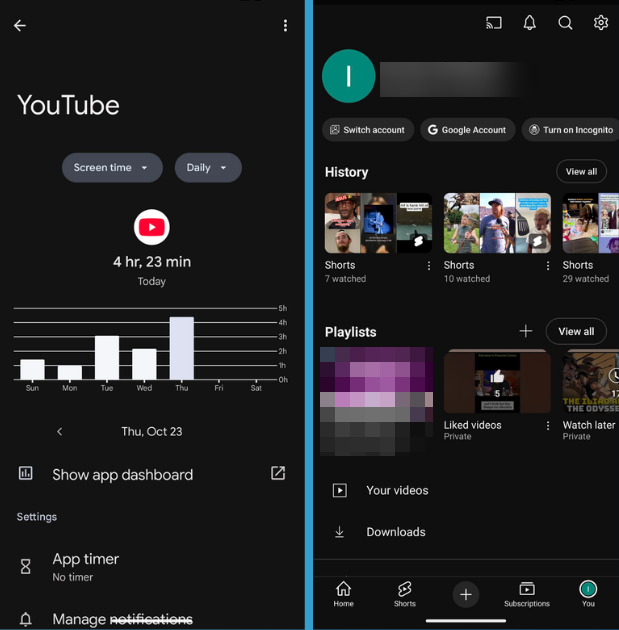
I haven’t received it yet, but I’m waiting for it. While I’ve tried using Android’s Digital Wellbeing settings, YouTube algorithms always find a way to pull me back in. This seems like a good start for managing YouTube Shorts screen time with a built-in tool, without running out of fun.
Why YouTube Is Introducing the Daily Shorts Time Limit Now
The timing of this YouTube Shorts timer fits right into all the complaints piling up. Regulators have been cracking down on apps that encourage endless scrolling. People are talking more about how teens spend up to 90 minutes a day on Shorts. That’s sometimes more than on TikTok. They’re pushing for tools to help with online habits.
But the big reason is lawsuits. Just two weeks back, on October 9, New York City sued YouTube, Meta, TikTok, and Snapchat. They say these apps are built to get kids hooked, causing mental health issues like more worry or fuzzy thinking.
States like Arkansas and California are joining in these lawsuits too, with claims that quick, short videos create dopamine that spoils kids’ focus and attention, which costs money for health fixes. It’s not random. This comes after Europe made rules on screen time. In fact, TikTok and Instagram have already added limit features of their own.
By introducing this feature, YouTube is trying to cover the PR angle by positioning itself as a responsible player in the digital well-being space.
Also, YouTube is likely betting big on the psychology of users while protecting its PR, since most users will likely ignore or override the timer when the dopamine hits. Hence, keeping the ads rolling and watch hours high.
Still, it’s a start. As someone who’s spent more hours than I’d like to admit on Shorts, I’ll take any progress that acknowledges the problem. For a broader view on digital detoxing, you can explore our advice on quitting social media.
Does it actually help?
In short, it can help, but it’s not perfect. On one hand, I genuinely believe a visible reminder could make a difference. Sometimes, the hardest part of breaking the doomscrolling cycle is realizing how long you’ve been stuck in it.
A timer, even one that’s easy to dismiss, forces that moment of awareness. It might be enough to make some users stop and reflect on what they’re doing.
Besides, research shows that quick video marathons can shorten focus and boost stress in teens. Considering most teens are on multiple social media apps, which are constantly introducing new things to keep them hooked, it’s essential to have safeguards.
So, a YouTube Shorts daily time limit combined with other Google tools, like sleep reminders, might help build better daily habits.
But here’s the issue: awareness doesn’t always lead to action. The stop reminder is too easy to skip. Just one tap, and you’re back to doomscrolling. When you’re caught in that dopamine loop, it’s too easy to say “just one more clip.”
This is why I think YouTube’s new limit will only help if you truly want to change. Otherwise, it’s a polite reminder in an app designed to keep you hooked.
This is why we feel Seven39 is like a breath of fresh air since it actually forces you to disconnect and only connect at assigned periods. This is what YouTube should aim for, rather than this timer that feels like a half-step towards that goal.
Still, I’m rooting for it. Because for people like me who get hooked on this endless scrolling, even a pause screen can be powerful if it arrives at the right moment.
How You Can Make It Actually Work
To make the YouTube Shorts timer limit work for you, start tough. Go for 30 minutes if you watch a lot of Shorts, then respect it. When the timer appears, stop scrolling and do something else. Maybe read a full article, message a friend, or better yet, step away from your phone.
Add more layers by using phone features like Apple’s Screen Time or Android’s Digital Wellbeing for limits on the whole app. Check out the best screen time apps for extra help. By cutting off the distraction completely, you stand a better chance of beating it.
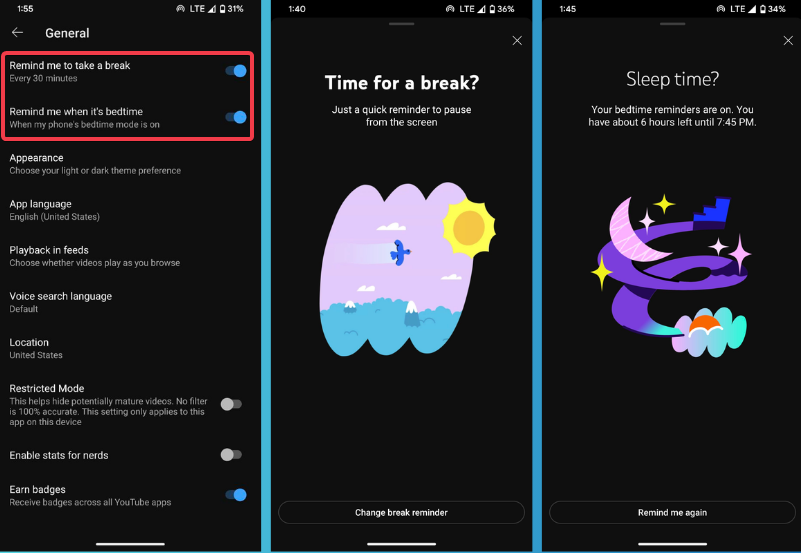
Also, YouTube has other reminders in Settings. Enable Remind me to take a break and Remind me when it’s bedtime to add extra layers to protect your screen time.
If Shorts feels like a time trap, use browsers like Brave to block them fully. Or simply improve your YouTube recommendations to reduce the chance of random clips popping up that may send you down that doomscrolling lane.
Overall, the YouTube Shorts daily time limit is a good move, even if it’s not a perfect one. It acknowledges the addictive problem with the YouTube Shorts feed.
Although it won’t solve it all, if you stick with it, you’ll get better focus and calm. If this feature can help even a few of us pause before falling into another hour-long scroll, it’s already worth it.