

Less than two weeks before Microsoft’s Windows announcement, the company is quietly revealing more information that convinces everyone that the June 24 event will introduce Windows 11. The latest piece of information that was revealed says that Windows 10 will officially retire in 2025.
Microsoft’s Blog Post
It was a support document on Windows’s official website that said on October 14, 2025, Windows 10 Home and Windows 10 Pro will be retired. It’s confirmation that Microsoft must have changed its mind since Windows 10 was first released, as back then the company said Windows 10 would be “the last version of Windows.”
Microsoft does keep a list that indicates when support will be ending for Windows and its other products. The list was updated most recently in March, yet it said nothing about Windows 10 at the time.
Shortly before the announcements indicating Windows 11 would be introduced on June 24, Microsoft CEO Satya Nadella said the upcoming update would be “one of the most significant updates in Windows of the past decade.”
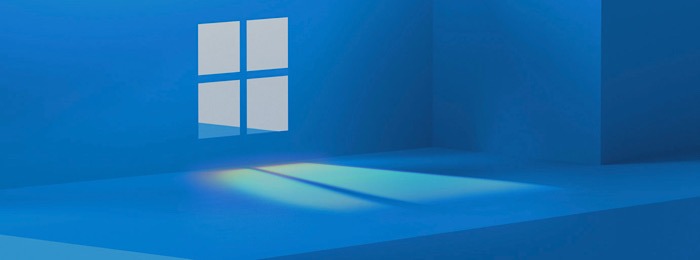
This raised further speculation, as many noticed that the “Windows” logo in the video and blog announcements was throwing off a shadow that looked suspiciously like the number 11. This left the assumption that Windows 11 would be announced on June 24. And, of course, that event starts at 11 a.m. ET.
Quite frankly, it’s hard to imagine at this point that Windows 11 won’t be revealed in next week’s event that is adopting Apple-like secrecy.
There have been no signals as to what the differences will be between Windows 10 and 11, but last fall it was reported that Microsoft had been working on a project it dubbed “Sun Valley.” It was expected to bring design changes and improvements to the Start menu, Action Center, and File Explorer.
Significance of October Date
It’s unknown what the significance of the October 14, 2025, date is, but Windows 10 isn’t the only product or product version that will retire on the fall date. It was revealed in a blog post back in March that the following will also be retired:
- Access 2016
- Access 2019
- Excel 2016
- Excel 2019
- Dynamics 365 Business Central on-premises, Spring 2019 Update, version 14.x
- Exchange Server 2016 (all editions)
- Exchange Server 2019 (all editions)
- Office 2016 (all editions)
- Office 2019 (all editions)
- OneNote 2016
- Outlook 2016
- Outlook 2019
- PowerPoint 2016
- PowerPoint 2019
- Project 2016 (all editions)
- Project 2019 (all editions)
- Publisher 2016
- Publisher 2019
- Skype for Business 2016
- Skype for Business 2019
- Skype for Business Server 2015
- Skype for Business Server 2019
- Visio 2016 (all editions)
- Visio 2019 (all editions)
- Visual Studio 2015
- Visual Studio Team Foundation Server 2015
- Windows 10 on Surface Hub
- Windows 10 2015 LTSB (Enterprise, IoT Enterprise)
- Word 2016
- Word 2019
It appears that Microsoft is planning on going in a different direction with Windows 11. More will be known during the June 24 event, but if you like Windows 10 and its environment as it is now, you’ll only have four more years to enjoy it.
Until that point, make Windows 10 work for you the way you want it to. Learn how to customize your Windows 10 desktop with Rainmeter and be more productive with hot corners in Windows 10.
Image Credit: Microsoft