
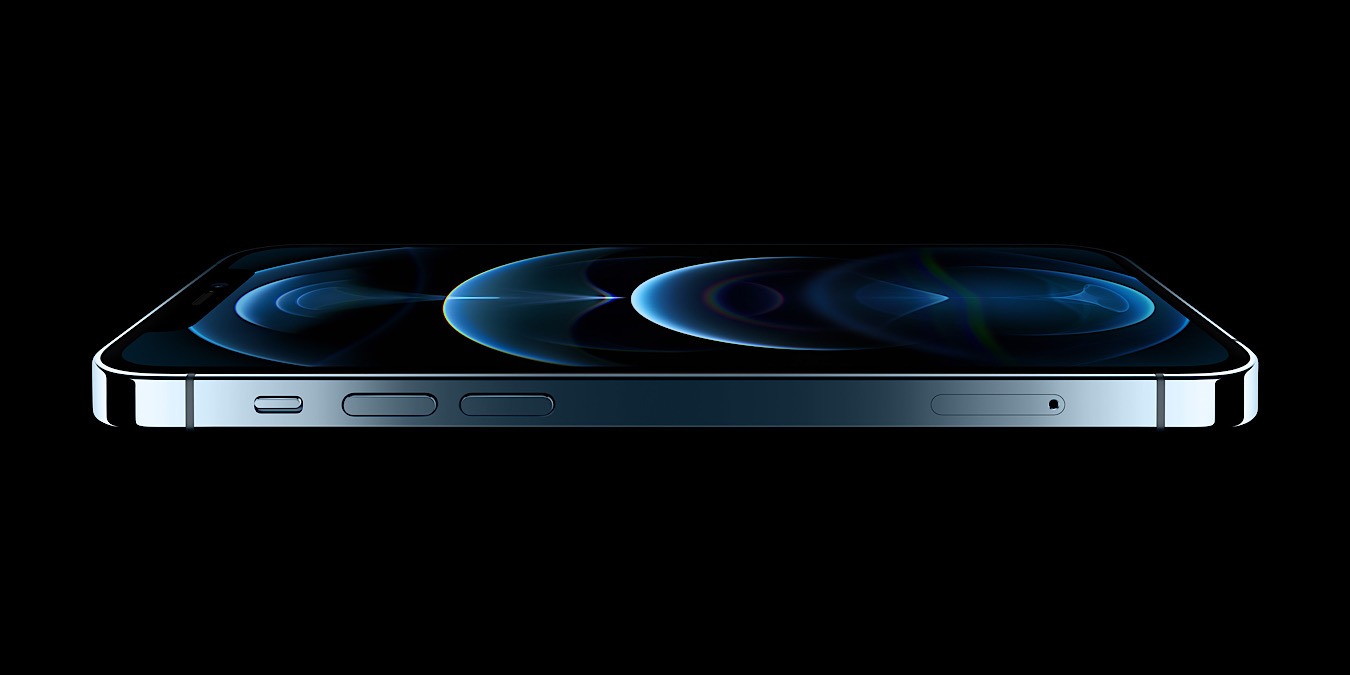

There is no denying that the new iPhone 12 is a thing of beauty — all four versions. But how durable is the glass display and the glass back? Can they withstand the dreaded drop? One particular test set out to find out what would happen with an iPhone 12 drop.
iPhone 12 with Flat Edges and Glass Display
Many of us have been in that unenviable position of dropping our phones, then picking them up and seeing shattered screens or having functions that no longer work. It’s why many of us, right off the bat, order a case and a screen protector.
The four phones in the iPhone 12 series feature a metal frame with flat edges rather than the curved border Apple’s signature phone has used since the iPhone 6. The glass is just as flat. The idea is that it will improve the durability of the phone to hopefully resist drops. And, let’s be honest, it’s Apple, so there’s definitely some aesthetic appeal as well.
All of it goes along with what the iPhone is known for: not just its great looks but for being durable as well. They’re known for sustaining more damage than competing phones.
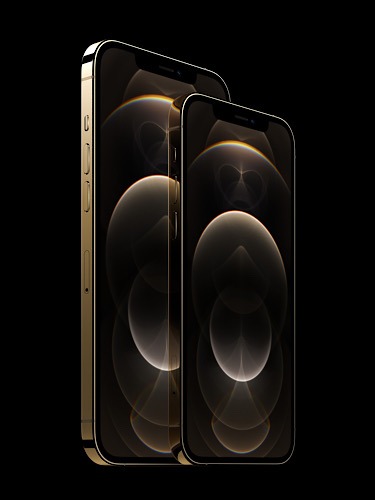
But this phone is made of glass. How can glass be durable? The answer for the front resides in the crystals that are embedded in the glass that sits on top of the screen, what’s known as the “Ceramic Shield.” Apple promises “four times better drop performance.”
iPhone 12 Drop Test
With the iPhone 12 now available, multiple outlets are putting it to a drop test. While it’s certainly a worthwhile test, it always takes my breath away to see a beautiful new phone being dropped repeatedly until it breaks.
But that’s what happened in this iPhone 12 drop test. The two phones tested – iPhone 12 and iPhone 12 Pro – were dropped repeatedly. They were pushed to a level above the average drops in the search for major damage.
The iPhone 12 and iPhone 12 Pro are very similar. When looking at the exterior, the Pro has more of a metal appearance and has the extra Lidar camera. Additionally, it’s just a bit heavier. While the iPhone 12 has an aluminum frame, the iPhone 12 Pro has a stainless steel frame.
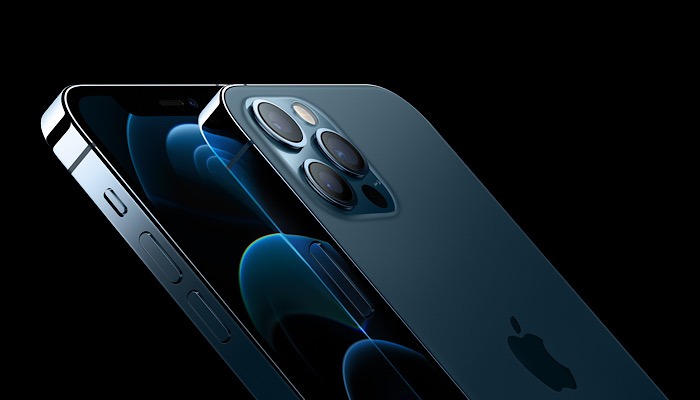
Most phones are dropped from waist height or head height. This makes sense when you think of how you use your phone. So in this test, the phones were dropped from those heights as well as 10 feet. Additionally, they were dropped on the edge, on the front, and on the back at each level.
The front with the Ceramic Shield never broke on either camera until they were dropped from 10 feet. The aluminum frame did get dinged from the waist-high drop while the stainless steel never did. But the display on the Pro suffered pixel damage from head high while the iPhone 12 suffered camera damage.
The iPhone 12 had the frame damage from waist height and had camera damage at head height. The back cracked from 10 feet, but the Ceramic Shield never did. The iPhone 12 Pro never had frame damage but had pixel damage from head high, a cracked back from 10 feet and finally damage to the Ceramic Shield. Yet both phones were still working, other than the camera on the lesser phone.
While impressive, it should be noted that this test doesn’t mean that’s how they will all perform. Yet, it did show that this new Ceramic Shield on the iPhone 12 displays allows them to withstand a drop from multiple heights.
If you really want to be impressed, read on to learn about the iPhone 6 that survived a fall from an airplane. It filmed video on the way down and only suffered a malfunctioning mic.
Image Credit: Apple Newsroom