
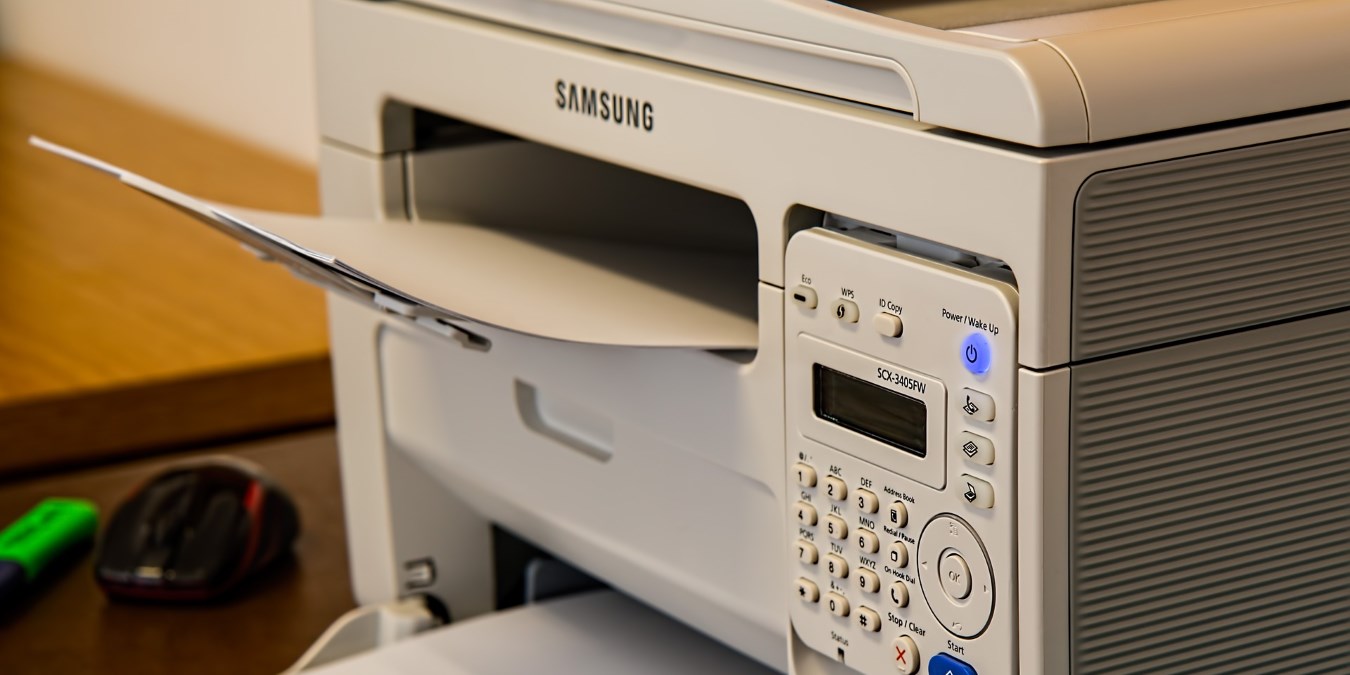

If you own an ink printer, you’ll know how expensive it is to refill it with ink. After all, it’s just ink; how did it come about to be so expensive? Let’s take a look at the reasons for the high price of ink.
1. “Producing Printer Ink Is a Complicated Process”
Unsurprisingly, this is the argument that printer manufacturers give when asked about their high prices. They state that the technology and research that goes behind creating printer ink justifies the high price.
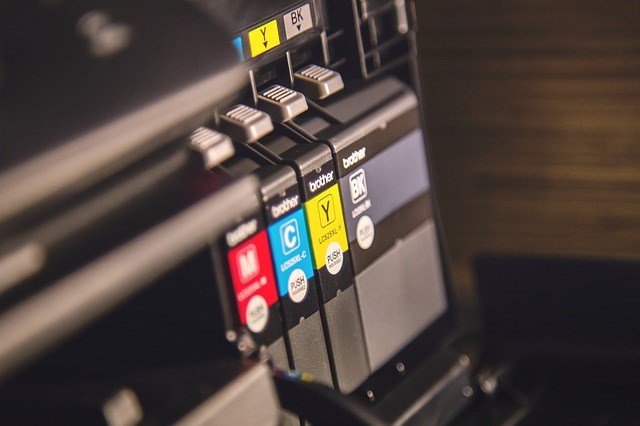
When the topic of printer ink comes up, people are keen to compare it to the price of other liquids such as oil or champagne. The problem is, those liquids are simply put into a container and used when needed; printer ink has a lot more user expectation in terms of performance.
As ComputerWorld’s interview with HP’s marketing manager Thom Brown revealed:
Inks must be formulated to withstand heating to 300 degrees, vaporization, and being squirted at 30 miles per hour, at a rate of 36,000 drops per second, through a nozzle one-third the size of a human hair. After all thatm it must dry almost instantly on the paper.
As such, Brown argued, comparing printer ink to other liquids is useless because no other storebought liquid has to perform as printer ink does.
Also read: Inkjet vs Laser: Which Printer Is Right For Me?
2. “Printer Manufacturers Sell Printers at a Loss”
This argument isn’t so much a biased statement as it is fact. We know that printer manufacturers sell their printers at a lower price than the cost to make it. Every time someone buys a printer, its manufacturer doesn’t make a full profit on the sale.

The companies do, however, take this “lost profit” and move it onto the price of printer ink. After all, people don’t buy the printers as much as they do printer ink, so overpricing the ink means the manufacturer can make back the money they lost on the printer.
So why are manufacturers selling printers at a loss? Simple: competition. If someone who doesn’t know about ink costs has to choose between two similar printers, with one underpriced at $30 and one at full price at $150, they’ll take the former printer home. It doesn’t matter that the former printer’s ink is three times the price of the latter’s – that initial sale is the most important part of gaining a new customer.
3. “Printer Companies Create a Captive Audience to Overcharge”
This argument is used by consumers who purchase printers and ink. It’s based on how modern-day printers can reject ink cartridges if they’re not the manufacturer’s own brand of ink.

This creates a captive audience where the user’s only means of resupplying their ink is through the same people they bought the printer from. This allows the manufacturer to set the price high, as people are forced to buy their ink if they want to continue printing.
Which Is True?
The weird thing about this scenario is that all three arguments have a solid grounding. Ink cartridges are complicated to design, and printer ink needs to perform perfectly under different conditions. Manufacturers do undersell their printers and make their money back through ink sales. And finally, printer companies do lock down the ink cartridges so that only their own brand can be used.
As such, you could argue that all three of these elements contribute to the high price of ink. There is no single reason we can point to and declare it’s the main reason; it’s more a by-product of how printers work, how they’re sold, and how manufacturers can legally lock competitors out of their products.
Thinking About Inking
It’s no surprise that printer ink is expensive, but what makes it so? It’s likely a mix of several elements that come together to command a high price for printer ink, with no one reason being the most prevalent.
Do you disagree with any of the above arguments or have any you’d like to add? Let us know below!