
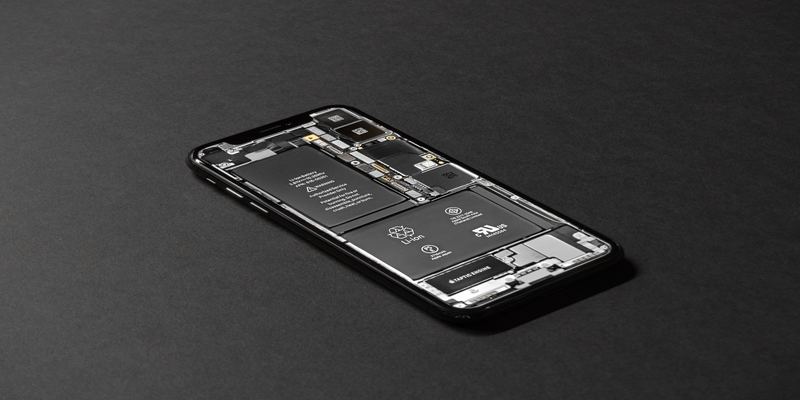

Over the last decade, smartphone technology has undergone massive improvements and changes. At one time feature phones had no cameras. Today, there are at least three camera modules fit into one phone, all with different functions and zoom. But have you ever thought about what goes on behind the scenes in the storage vault of your smartphone, tablet, or digital camera? For most people this isn’t a priority until they run low on storage space.
Fortunately, this vital component’s performance is getting the same progress as charging techniques, and today, high-end smartphones are already running the Universal Flash Storage (UFS) standard.
So what is UFS and what does its latest version, UFS 3.0 bring to the table? We’ll explain why this standard is so important and how it could add significant battery life and speed improvements going forward.
Also read: What You Need to Know About NVMe SSD
What is UFS?
UFS is a storage standard designed to offer ultra-fast read and write speeds for smartphones and digital cameras, among other mobile devices with less energy used in the process. The benefits of UFS can be felt when you’re taking pictures, shooting videos, or accessing data on your device’s internal storage, as you’ll enjoy pretty nippy speeds, and longer-lasting battery life.
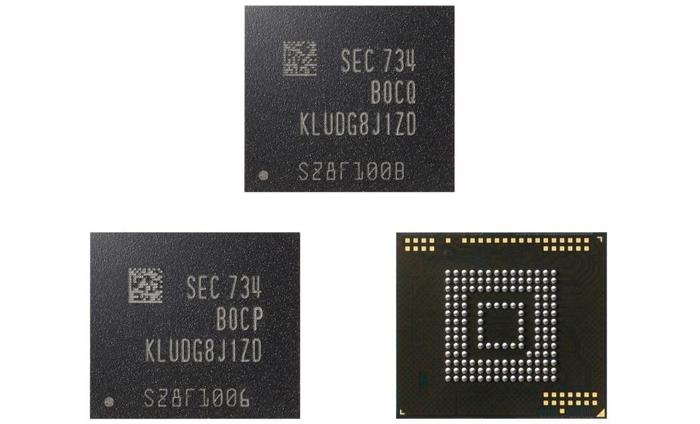
Ultimately, UFS seeks to replace the embedded MultiMedia Card (eMMC) flash storage units currently found in many cameras, smartphones, and tablets. UFS is much faster than eMMC storage, partly because of how information is exchanged with the host device.
Conventional embedded flash solutions and flash-based memory cards process one command at a go, limiting performance of random read/write access. However, UFS has faster sequential and random read/write speed because it adopts the SCSI Architecture Model and SCSI Tagged Queuing, so it can send multiple requests simultaneously to the storage.
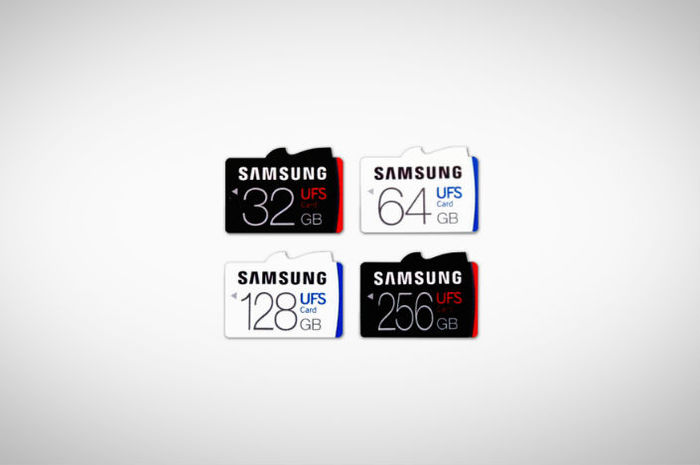
It comes in variants such as removable cards akin to microSD cards or the much rarer embedded internal storage (eUFS). The latter was first adopted by Samsung Galaxy S6 and can be found on many other Android flagships and subsequent premium Samsung devices.
What is UFS 3.0?
In January 2018, JEDEC unveiled the UFS 3.0 standard that increases bandwidth and doubles transfer speeds while reducing power demands on a system. More than a year later, there’s been some buzz over this new storage standard with the release of the OnePlus 7 Pro.
UFS 3.0 is like SSD technology for phones and digital cameras, which isn’t listed like other specs but can have a huge impact on your device’s performance. It’s much faster than UFS 2.1, a lot faster than other memory standards like the eMMC, and will allow hyper-speeds of up to 23.2Gbps, while lowering power consumption. This means you can even capture 4K or 8K video at higher frame rates, without troubling your handset much.
Benefits of UFS 3.0
UFS 3.0 offers several benefits including:
- Faster read/write speeds, improving multitasking capabilities dramatically
- Lower power consumption
- Longer battery life
- Enhanced user experience
Wrap-Up
While UFS 3.0 offers snappy read and write speeds, what this means to you depends on what you do with your smartphone. We’d all like our apps and games to save and load quickly. Similarly, with 4K video recording growing in popularity, and 8K looming on the horizon, UFS 3.0 is going to prove useful, though you may not need it for now.
So far, very few flagship phones like the Samsung Galaxy Fold, One Plus 7, and OnePlus 7 Pro support it. It’ll take a while before it spreads to mid-range phones. The hope is for it to realize its full potential as smartphones grow more powerful, and networks become more reliable and fast.