
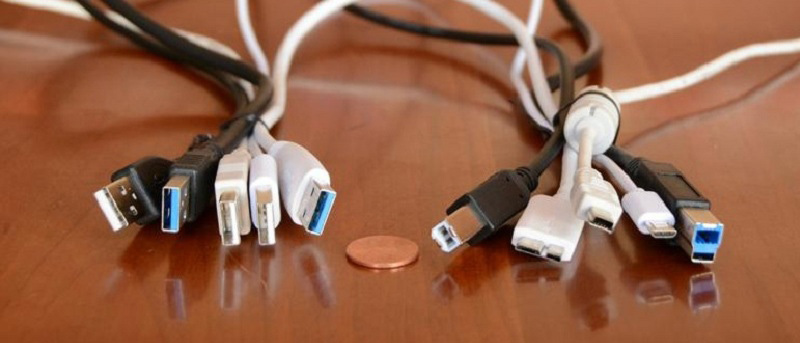

For many years in the early days of personal computing, the parallel and serial ports were the pinnacle of innovation. The drawbacks of these technologies were starting to become more obvious around the late 90s, and something needed to be done. Alas, the USB cable came to fruition along with the USB 1.0/1.1 standard. As time went on, computers have evolved and we have entered a new era where things are looking bleak for the USB ecosystem. On March 12, 2015, Apple has released a new MacBook sporting a new type of USB port called USB Type-C that hopes to provide a future for this platform. As always, when a new technology is introduced, we are itching to take it apart and understand it in a better context!
So, What Exactly Is USB Type-C?
To understand what USB Type-C is, we must first understand the problems it was trying to solve. Conventional technology allows us to connect various devices to one another and even charge them through one single cable. The USB cable’s large flat end has become a sort of icon in our world, since it has become the most popular form of interconnection. When all is said and done, however, there are a few shortcomings. USB Type-C improves upon its predecessors in four principal areas: size, power, transfer speed, and versatility.
How Is USB Type-C Better?
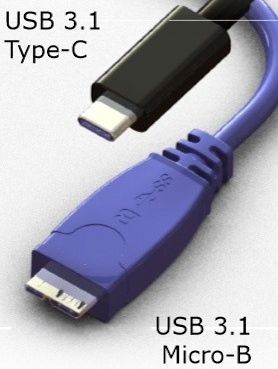
First of all, there’s the pressure on device manufacturers to make their computers smaller. You can only fit so much hardware in a given amount of space. The tried-and-true method of shrinking the things we use normally involves squeezing pieces in on top of each other like a multi-layered cake and packing as much computing power into them as possible within the smallest given space available. We’ve had no problem doing this with smartphones and tablets since they’re on the receiving end of the USB cable (i.e. Micro USB can be used instead of the conventional Type-A port). But with laptops, we’re still using the same amount of space for the USB cable’s other end that we were using back in the late 90s. USB Type-C solves this problem with a simple solution: Make both ends identical.
Aside from the aesthetic improvement, there’s also the fact that this new form factor allows for transmission at speeds of up to 10 gigabits per second. In addition to this, it also allows for up to 5 amps over 100 watts of power to travel through a cable. That means that a USB cable can finally be used to charge your laptop, instead of a bulky adapter. Yes, Type-C can power larger hardware, and it can also handle the output of video through VGA, HDMI, and DisplayPort. This makes it the most versatile hardware connectivity solution to date!
Are There Drawbacks?
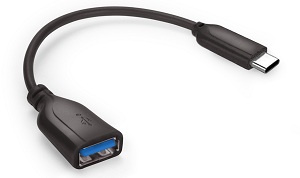
There is one minor drawback to using USB Type-C: You cannot use older USB hardware with it unless you purchase an adapter. As of mid-March 2015, it would be difficult to find one that Apple doesn’t sell, and the company charges a premium on things like these. Video display technologies also require adapters (unless the display has a Type-C slot), which cost around $80 apiece.
With Apple’s MacBook in particular, there’s also the problem of limited bandwidth availability. Although USB-C allows data transfer of up to 10 Gbits per second, the MacBook will cut this in half in its hardware. That still gives you plenty of bandwidth to work with, but you should be aware that if you purchase this computer, you aren’t exploiting the full potential of USB Type-C.
Conclusion
This technology is as exciting as it is awkward. Although USB Type-C isn’t necessarily the golden chalice that it has been made out to be in several reports, it certainly may play a major role in re-shaping the way in which we use our technology. What do you think? Tell us in a comment!