
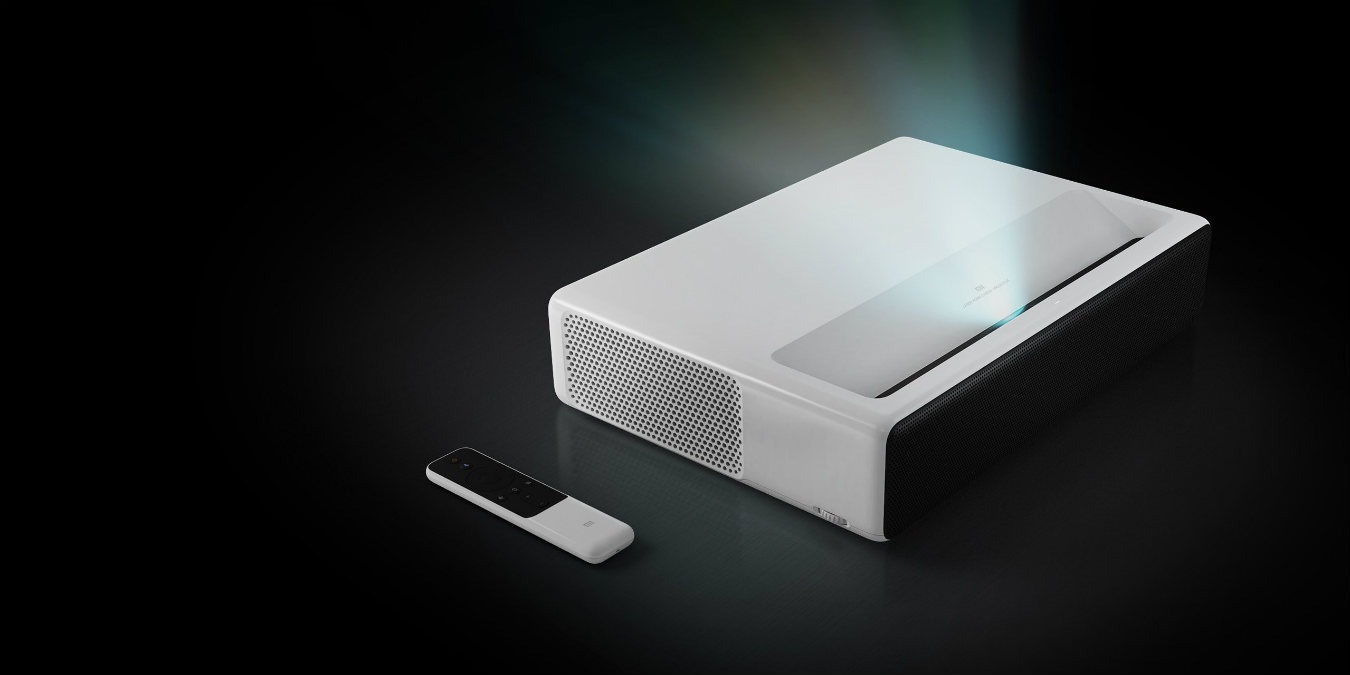

Projectors are great for watching a movie, delivering the latest figures to the board or PowerPoints in the classroom. They are capable of producing a bigger picture than TVs, and customizing the size of the image is quick and easy. Furthermore, projectors typically boast a lower cost-per-inch when compared to TVs. They also reflect light, whereas TVs emit light. As a result, watching an image produced by a projector is less straining on the eyes. Finally, projectors are compact in size. Therefore, projectors have a smaller footprint than TVs and are portable.
Due to the advantages of projection, many folks are considering projectors. The newest kid on the block is the laser projector. Here is what you need to know about it and its advantages and disadvantages, before you make the decision to purchase it.
Also read: A Guide to Purchasing Your First DLP Projector
Types of Projectors
There are two different types of projectors currently on the market, bulb (sometimes called lamp) and laser. Bulb projectors are older and more common. The main difference between the two is how they produce an image.
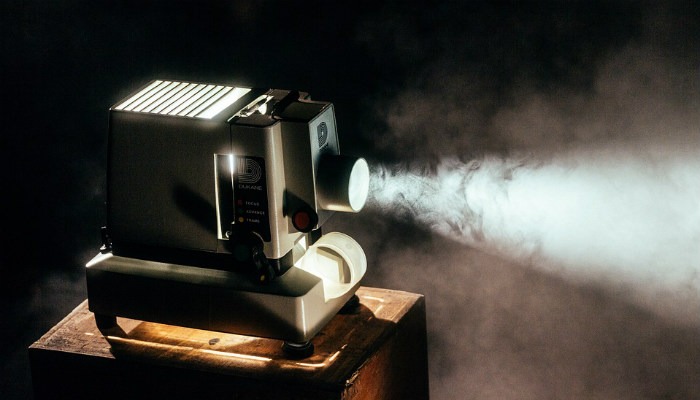
Bulb: Both LCD and DLP projectors use an ultra-high pressure mercury vapor ARC lamp, commonly referred to as a bulb. The projector uses an electrical current to light the mercury vapor, causing the bulb to emit a super bright light. This light is directed onto an LCD or DLP panel which produces the final image. Because this process is fairly complex, projector bulbs can be very expensive.
Laser: Laser projection differs from bulb-based projection in the way it produces the image we see on screen. With bulb-based projection, the light source (the bulb) needs to illuminate a panel which in turn produces the image. In contrast, laser projectors use lasers to generate the light. There are a number of benefits with this method, leading many to believe lasers are the future of projectors.
Advantages of Laser Projectors
Laser projectors aren’t all that different from traditional projectors. That being said, laser projectors have numerous advantages over bulb projectors that make them very attractive to consumers.
1. Lower Maintenance
Projectors offer excellent image quality and a large viewing area, so they seem like a no-brainer. However, the biggest reservation about projectors are the bulbs. Projector bulbs can be very expensive. The life of a bulb is dependent on a number of different factors, such as the brightness settings. While consumers will get different mileage from their bulb-based projectors, one thing is certain: the bulbs will have to be replaced eventually.
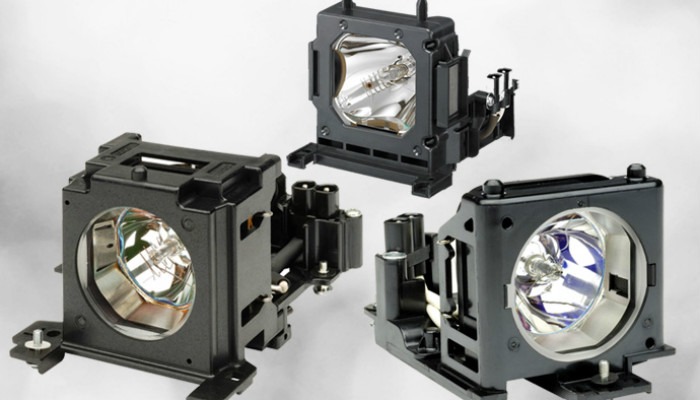
Replacement is not only costly but can be a real hassle. For example, imagine pulling the ladder out of the garage to replace the bulb in your ceiling-mounted projector. Furthermore, bulbs need to “warm up” before they can produce the bright light needed to produce an image. Laser projectors do not suffer from these drawbacks. Since they don’t rely on a bulb to produce light, there are no costly replacements. Additionally, laser projectors offer near instant on/off functionality.
2. Energy Efficiency
As we mentioned earlier, traditional bulb-based projectors create images through a two-step process. First, the bulb creates a bright, white light. This light is directed onto an LCD or DLP panel, which manipulates the light to produce the final images we see on the screen. The LCD/DLP panel is what is responsible for creating the colors we see. Therefore, the bulb produces a white light regardless of what colors are presented on screen, resulting in a lot of wasted energy.
Additionally, because the bulbs get very hot, bulb-based projectors need fans to cool everything down. This results in more energy consumed. On the other hand, lasers only create the color needed to produce the image. As a result, laser projectors consume significantly less energy, all while providing better image quality, brightness and contrast.
3. Throw Distance
When buying a bulb-based projector, one must take throw distance into consideration. Throw is the distance between the projector lens and the screen. The size of the image thrown onto the screen will determine where the projector is placed in a room. If you are planning on mounting the projector to the ceiling, it is very important that you calculate this distance properly.
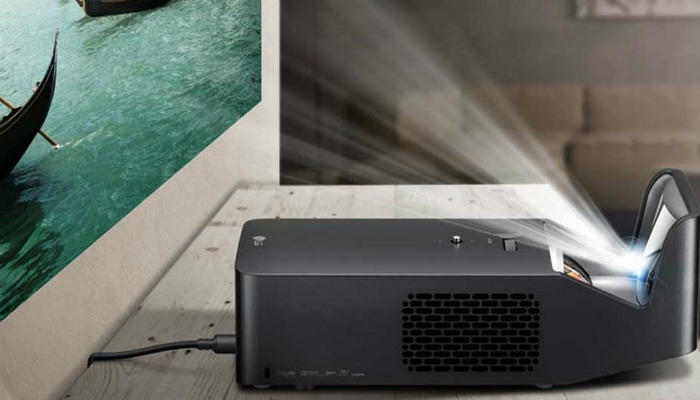
On the other hand, many of the laser projectors on the market are ultra short throw. These projectors are suitable for virtually any room, regardless of dimensions. They are designed to be placed on a table, very close to the screen. For example, some ultra-short throw projectors can produce a 120-inch image eight inches away from the screen.
Note: all ultra short throw projectors will have different throw distance requirements.
4. Better Overall Image Quality
One of the biggest benefits of laser projectors is an upgrade to the overall image quality. Because image projection is not reliant on a bulb, lasers can produce images with a wider color gamut. Therefore, laser projectors are capable of delivering images with richer blacks and more vibrant colors. This results in an image with significantly better contrast because the lasers are producing the necessary colors directly.
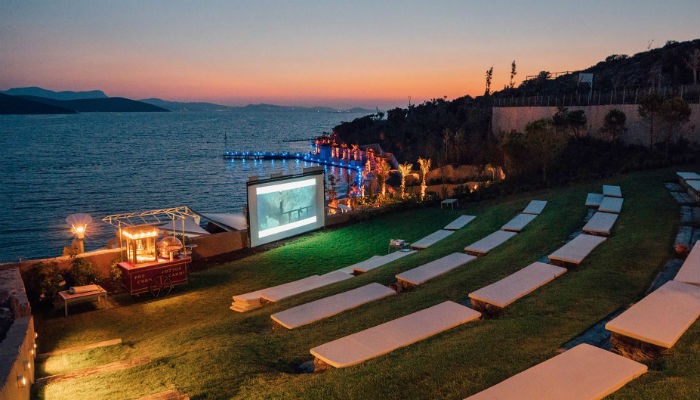
Traditional bulb-based projectors need to filter the color from white light, negatively affecting contrast. Furthermore, because lasers are creating the light needed directly, laser projectors can produce significantly brighter images while still maintaining excellent contrast.
Disadvantages of Laser Projectors
The biggest disadvantage to laser projectors is the initial cost of the machine. Laser projectors are significantly more expensive than traditional projectors. At the time of this writing, even the cheapest laser projectors cost roughly three times more than a bulb-based projector. That being said, laser projectors should work out to be cheaper over time. This is due to the fact that there aren’t as many maintenance costs associated with laser projectors, most notably a pricey bulb.
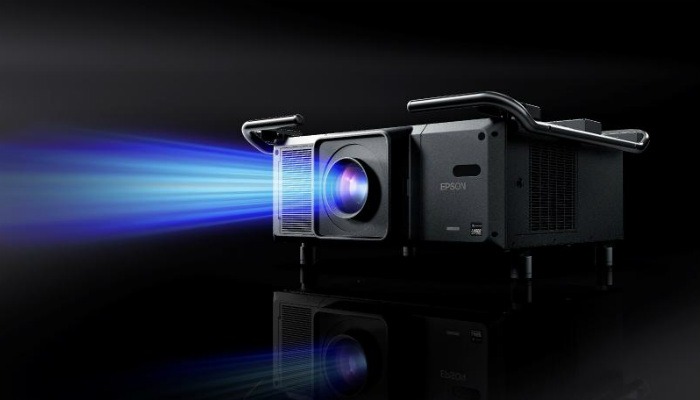
In conclusion, laser projectors are almost definitely the future of big-screen image projection. They are capable of producing better colors and a brighter image, all while reducing running and maintenance costs. That being said, laser projectors are very expensive, making them out of reach for many consumers (for now).
What is your opinion of laser projectors? Are you considering purchasing one? Or are you waiting for prices to go down before you pull the trigger? Let us know in the comments!