


Two words you might not expect to see together are “ethical hacking.” Hackers are commonly thought of as mysterious hooded figures who jack into Wi-Fi connections and steal people’s credit card information. Hackers aren’t drawn into hacking simply to perform criminal activities, however; most get into the scene because they have a passion for security. It’s how they use that passion that separates the enthusiasts from the criminals.
Spy vs. Spy
This is the ongoing feud between the malicious hackers (the “blackhats”) and the constructive hackers (the “whitehats”). Blackhats are always trying to find new ways to get into systems in order to install malicious software or steal vital data. Whitehats, on the other hand, use their hacking know-how to advise companies on how they can better improve their security. This is what makes them “ethical:” they use their powers for good rather than evil.

One of the ways a whitehat hacker can help companies is to perform an attack on their systems. Of course, they don’t do this unannounced; doing so would get them into huge legal trouble, no matter how ethical they claim to be! Companies approach these whitehats and ask them to test their security. The hackers then get permission to test a specific area of the company’s security solution to see if it stands up to the task. Of course, nobody who’s skilled enough at a job should ever work for free; the average starting salary for ethical hackers averages out at around $95k a year.
How People Become Ethical Hackers

Ethical hacking is a much-needed service for businesses who have sensitive information to protect. In fact, it’s so important, institutions hold courses that teach people how to hack, with the intent that they use it for ethical means. This creates some concern among the public that people on these courses may turn blackhat and start using their newfound knowledge for personal gain.
Unfortunately, there’s simply no way to expect an ethical hacker to do their job well without teaching them all the methods used by the blackhats. Teaching ethical hackers anything less will mean the whitehats will overlook security holes and flaws that a malicious agent will gladly pick up on. There are even textbooks on sale that teach hacking, with the hopes that their readers will use it for good and not for evil.
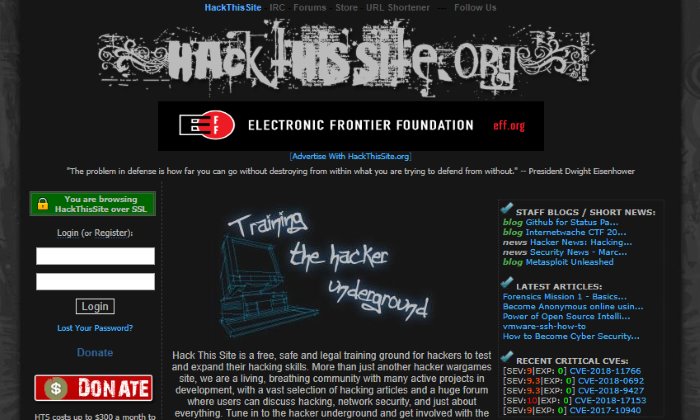
If a hacker doesn’t particularly feel like taking their skills to a career level, there are still means where they can practice their craft legally. Many hacking community sites such as Hack This Site! allow people to test their skills and compete in competitions in a legal environment. This gives hackers a nice stomping ground, so they don’t have to turn to innocent websites in order to put their skills to the test.
For those who are keen to learn about ethical hacking, there are some online courses that you can take. Most will teach you about Kali Linux, which is the main tool most hackers use for hacking.
Hacking Ethical Hackers
Ethical hacking may sound like a myth, but its benefits are very real. Companies depend on whitehats to point out the flaws in their security so that they can better defend their information when someone with actual malicious intent targets them. Now you know what ethical hackers are, what they do, and why they’re needed.
What do you think about teaching people to become ethical hackers? Should the techniques of hackers be better hidden away to prevent more blackhats from entering the scene? Or should the ease of access to this information stay the same, so that people can better learn how to defend themselves? Let us know your opinion below!