


There is always room for improvement when it comes to technology. Bluetooth is one of the many technologies that needs to improve. With the latest version it looks like it’s taking a step in the right direction. Bluetooth 5.1 is here, and even though the improvements it brings are not monumental, they will come in handy.
Bluetooth 5.1 does have improvements you can be happy about, but it may be a while before you see it on the majority of the devices out there. While you wait, you can imagine all the things you can do with the new features.
Also read: What Is Bluetooth and How Does It Work?
What Is Bluetooth 5.1?
Bluetooth 5.1 is the latest version of the Bluetooth technology that allows you to exchange data between devices that are a short distance from one another. It’s the next step of the technology that you use to connect your headphone, speakers and other devices.
Keep in mind that when you can get your hands on a phone with Bluetooth 5.1, it will be useless if all your peripherals are not compatible with the latest Bluetooth version.
New Direction-Finding
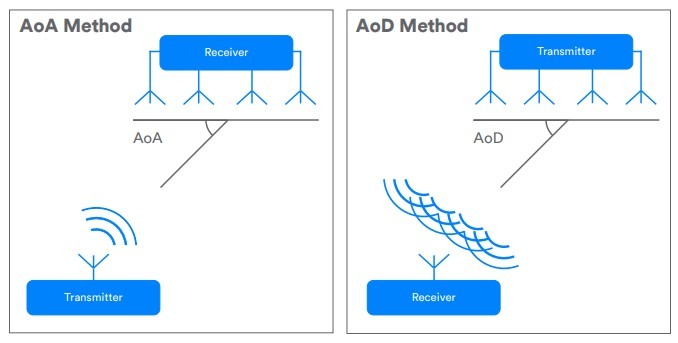
Unlike the previous version, Bluetooth 5.1 offers two methods of direction-finding: Angle of Arrival (AoA) and Angle of Departure (AoD). This means it can determine the exact position of a device (the direction the signal is coming from). For this to work the receiver or transmitter needs to have a batch of antennas.
Until now, Bluetooth could only guess how far the device could be by how strong the signal is. An improvement on that standard is excellent news if you’re always losing your Bluetooth earphones since your audio device will give you their exact location.
Improved GATT Caching
When a client device starts the connection process, it does so to see what the server device can support. What’s different in Bluetooth 5.1 is that instead of the waiting for the server to tell the client device what it wants to know, the client device can ask.
If something has changed, new service discovery is made. If everything remains the same, the service discovery part is skipped, and the connection is faster. Bluetooth 5.1 also allows for a faster connection and helps save power thanks to the GATT (Generic Attribute Profile) caching enhancements.
Also read: What to Do When Your Bluetooth Will Not Connect
Devices Will Advertise They’re Available to Connect
It can be a massive waste of time trying to connect to a device that won’t let you. Since you don’t know when you’ll be able to connect, you keep trying. Bluetooth 5.1 has a new feature called Randomized Advertising Channel Indexing.
What this new feature does is that it allows a Bluetooth device to announce when it’s available. Thanks to this feature you’ll be able to save battery power since your device will know when the other device is ready to connect.
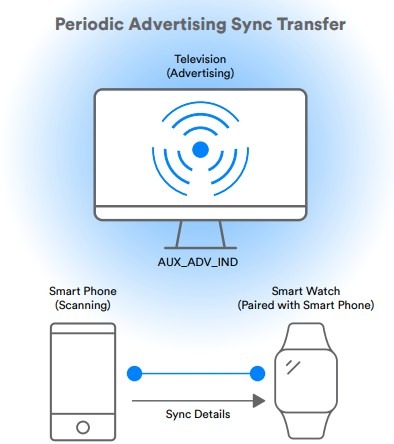
With Bluetooth 5.1 even low-energy devices benefit since the latest Bluetooth version also comes with Periodic Advertising Sync Transfer. This means your smartphone can get your TV’s advertising schedule as SyncInfo and send it to your low-powered device that can’t handle the periodic advertising sync.
Unlike Bluetooth 5.0, where devices had to go with a particular packet data, Bluetooth 5.1 lets devices choose the channels randomly. This new feature is helpful when you’re in an area where numerous devices are announcing that they are ready to connect.
Conclusion
Bluetooth 5.1 may not be a large jump, but it does come with necessary improvements. Are you happy with the new changes? Share your thoughts in the comments.