


If you use the Internet regularly, you’ve heard of the term “bandwidth” before. It’s usually in the context of not having enough of it or having less of it than the day before. But what is it, and how did it come to be as fast as it is now?
What Is Bandwidth?
In essence, bandwidth is the speed at which a cable can transmit data at maximum output. All kinds of cables have bandwidth, but you’re more likely to hear the term around Internet services. Bandwidth itself isn’t a measurement of speed, but it represents the maximum amount of speed that can be achieved. It’s like how a truck’s total cargo space isn’t a measurement of how much cargo it’s carrying at the time but a representation of the maximum that it can carry.
There are a few elements that define how much internet bandwidth you have. First, your bandwidth is defined by the connection to your home. The faster your connection can transmit data, the more bandwidth you have. For example, people who use a fiberoptic connection will have faster speeds than someone with copper cable, as fiberoptic naturally transmits data faster.
It also depends on the internet service provider (ISP) delivering the Internet. Two companies can provide fiberoptic connections to two houses next to each other, and one house can experience faster speeds than the other.
Finally, the bandwidth you experience on your device depends on who else is on your network. If you have a a 50mbps download speed, that’s the total bandwidth being delivered to your router. When someone joins the network, they take a “slice” of this bandwidth when they browse. If it’s just you, you get the whole amount – as more people join, however, you’ll see your speeds dip as the other users download files and play online games.
How Did Bandwidth Evolve?
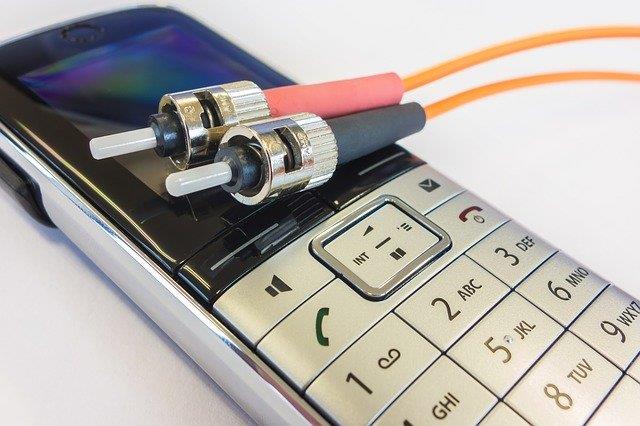
When the Internet became available en-masse to the public, they had to use what’s called “dial-up.” It was called this because it used the phone line to access the Internet. If someone was using the Internet, you couldn’t use the phone. The Internet wasn’t too fast, either; it downloaded files at around 56 kbps. Yes, that’s kilobits and not the megabits found in today’s Internet speeds!
Eventually, the Internet providers rolled out broadband. It had a separate line for the Internet, freeing the phone from having to handle it. This also increased the speed by quite a lot; early broadband speeds could go up to 500kbps. This allowed websites such as YouTube to spring up, as the bandwidth was enough to stream large amounts of video.
Next, fiberoptic came along. This got its name due to its new method of transmitting data: light. Beams of light go faster than electricity, which sped up the broadband connections to around 50mbps for home users. This is what ultra-fast broadband utilizes currently and is the fastest means of providing Internet at the time of writing.
Also read: What “Bandwidth Throttling” Means and Why ISPs Do It
What Is Bandwidth Throttling?
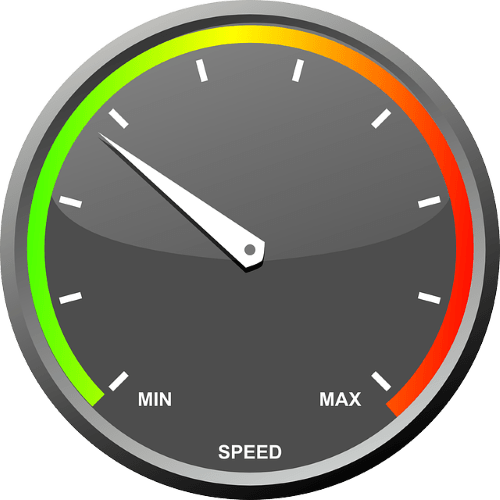
If you have ever experienced bandwidth throttling, you’ll know how annoying it can be. Throttling is when the ISP deliberately cuts down the connection speed to your router. Typically, this is done after you go over a specific data cap laid out in your contract, and the ISPs slow you down to make room for other users. This results in much slower download speeds for you until the next data cap period – usually the next month.
When your bandwidth is throttled, there’s little you can do on your end to get your speeds back. As long as you depend on your ISP to get your Internet, you can’t skirt around a throttle. People who are throttled may want to set up a mobile hotspot on their phone and use their 4G data instead.
Banding Up
Bandwidth is an important element of the Internet, but it’s not very self-explanatory. It relates to the speed your device receives from a connection, whether it’s the whole thing or shared and sluggish.
Have you ever lived with a bandwidth hog? Tell your stories below!