

Have you ever needed to extract publicly available data, such as prices, customer reviews, or real estate listings, from a website but struggled? Increasingly, people are AI web scraping: combining artificial intelligence (AI) with traditional scraping methods to extract data from across the Web.
[mte_toc]What Is AI Web Scraping?
AI web scraping is a cutting-edge approach to data extraction that combines the power of artificial intelligence with traditional web scraping techniques. It’s like giving your regular web scraper a brain upgrade: allowing it to think, learn, and adapt on its own.
Since AI web scraping can have so many forms, one application can look completely different from another. What’s more, AI technology is still evolving at a lightning pace, so what isn’t possible now may be possible in just a few months.
Is AI Web Scraping Legal?
We aren’t dispensing legal advice, and laws regarding web scraping can vary significantly between countries and jurisdictions, so always consult with a legal professional for advice specific to your situation.
Web scraping, whether enhanced by AI or not, is generally legal if you’re collecting publicly available data from the Internet. The key word here is “publicly.” If the information is freely accessible without requiring login credentials or bypassing security measures, it’s typically fair game.
To be extra safe, you should always consider the terms of service of the website you want to scrape. Many websites explicitly prohibit scraping in their terms of service. While violating these terms isn’t necessarily illegal, it could potentially lead to civil lawsuits.
Also, be careful never to create an excessive load on the web service with your scraping. Aggressive scraping that overloads a website’s servers could be considered a form of a denial of service (DoS) attack and have legal consequences.
How Does AI Web Scraping Differ From Manual Scraping?
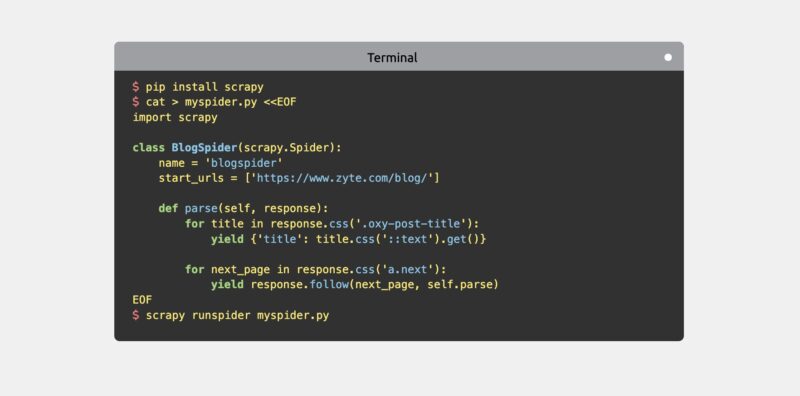
Traditional web scraping typically involves writing custom scripts or using tools like Beautiful Soup, Scrapy, or Puppeteer to extract data from websites. These methods rely on predefined rules and patterns to locate and extract specific elements from web pages.
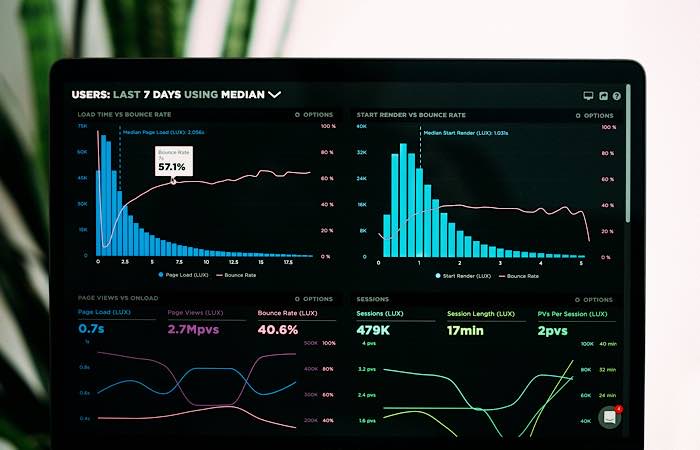
Once the data is collected, it often requires additional processing and analysis, which can involve using spreadsheet software or data analysis tools like Python’s Pandas library.
When these traditional web scraping techniques are combined with AI, we are talking about AI web scraping. The following are some examples of how the combination may look like in practice:
- Machine learning models can be used to navigate complex websites and handle dynamic content and JavaScript-rendered pages with ease.
- AI’s vision capabilities make it possible for scrapers to extract data from visual content, not just text.
- AI can detect and adapt to changes in website structures and reduce the need for constant maintenance of scraping scripts.
- Relevant information can be extracted from text based on a complex understanding of the context and semantics of the scraped text.
- Product reviews or social media comments can be fed into an AI to perform sentiment analysis, gauging the emotional tone of text data.
As you can see, AI can enter the picture at both the data collection and data analysis stages of the web scraping process. At the data collection stage, AI enhances the scraper’s ability to navigate websites, identify relevant data, and adapt to changes in real time. At the data analysis stage, AI can process and interpret the collected data in ways that go beyond simple extraction.
What Are the Key Benefits of AI Scraping?
AI-powered web scraping brings a host of advantages to the table. Let’s take a closer look at some of the most important ones.
Adaptability to Website Changes
Websites are constantly evolving, which can break traditional scrapers. AI-powered tools can adapt to these changes on the fly by recognizing new patterns and adjusting their scraping strategies accordingly. This means less downtime and maintenance for your data collection efforts.
Vision-Based Data Analysis
Traditional scrapers are limited to text-based information, but AI can extract valuable insights from images, charts, and infographics. This opens up a whole new dimension of data that was previously inaccessible. For example, AI can analyze product photos to identify features, colors, and styles, which is incredibly useful for e-commerce competitors tracking trends.
Natural Language Processing
AI can understand the context and meaning of collected text data. As mentioned earlier, companies can use sentiment analysis to gauge customer satisfaction from scraped reviews, or it can summarize large volumes of text, translate content from foreign markets, and much more.
What Are the Challenges and Pitfalls of AI Web Scraping?
While AI web scraping offers numerous benefits, it’s not without its challenges. The primary concern is the unpredictable nature of AI outputs. AI models can sometimes produce unexpected or incorrect results. This phenomenon, often referred to as “hallucination” in AI circles, occurs when the AI generates plausible-sounding information that lacks accuracy. In the context of web scraping, this could mean scraped data that seems correct but is actually fabricated by the AI.
Another potential challenge is the reliance on a third-party AI service, such as ChatGPT or Claude. You may face issues with service availability, changes in pricing models, or modifications to the AI’s capabilities that could disrupt your scraping operations.
AI web scraping is a new way of capturing publicly available data from the Web. It combines traditional web scraping techniques with cutting-edge artificial intelligence bots to handle complex websites, extract insights from visual content, adapt to changes in web structures, and more.
Image by David Morelo.