
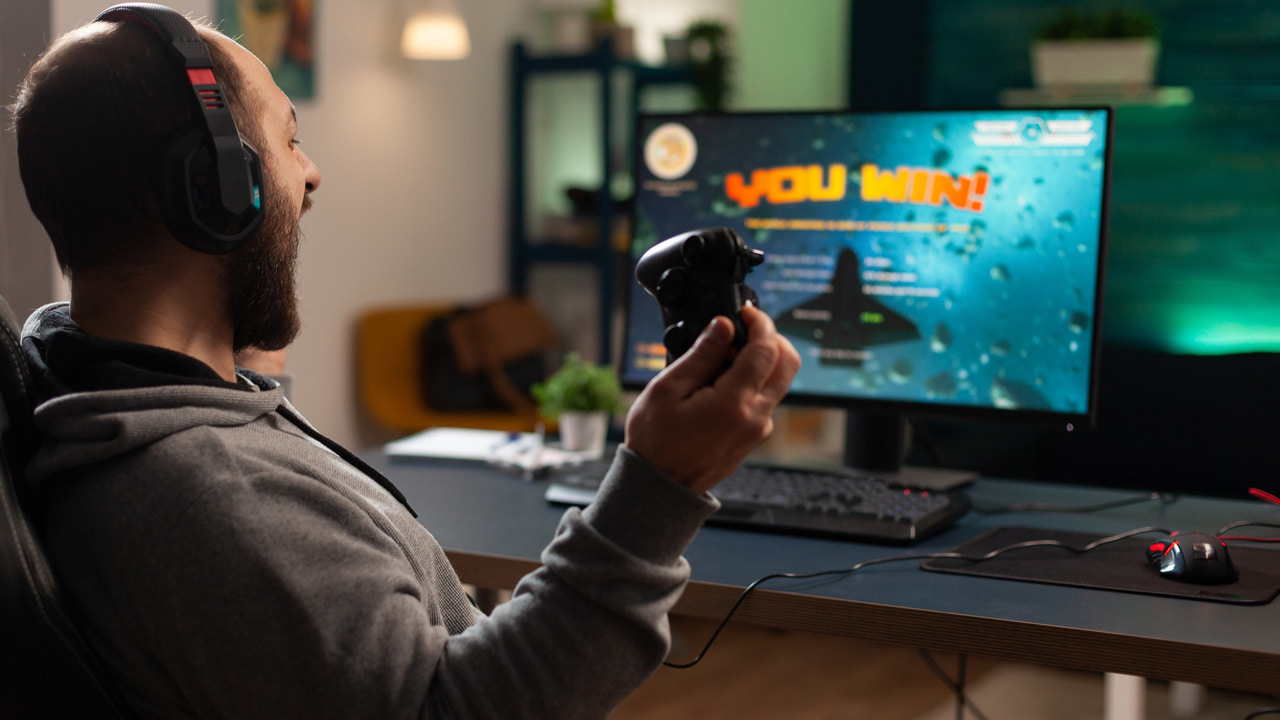

Battling high ping and lag spikes instead of the enemy in online games? This guide explains how a gaming VPN can be a game-changer for you.
[mte_toc]What Is a Gaming VPN?
A gaming VPN works the same way as a traditional VPN. It encrypts your connection and redirects it through its servers. The main difference is in the optimization. A gaming VPN typically has high-speed servers with routing algorithms to reduce lag and packet loss.
The servers are also strategically located near major gaming servers to further minimize travel distance. This usually offers lower ping, compared to your Internet service provider, as ISPs focus on creating a stable connection with the least conjunction, even if it leads to higher latency, due to more server hops.
Not to mention, additional gaming-related features, like DDoS protection, manual server switch, ping tracking, traffic preference control, and automatic switch to the lowest ping server, that it can lead to.
Tip: You can further protect yourself by connecting to the right country when using VPN. Here’s how to do so.
Advantages of Using a Gaming VPN
Let’s dive deeper into the uses of gaming VPNs and how they can improve your online gaming sessions.
Reduced Ping and Stable Connection
Due to reasons like cost efficiency or limited peering agreements, ISPs may not use a direct route to the gaming server. They may hop the connection between multiple servers, and some could even be congested.
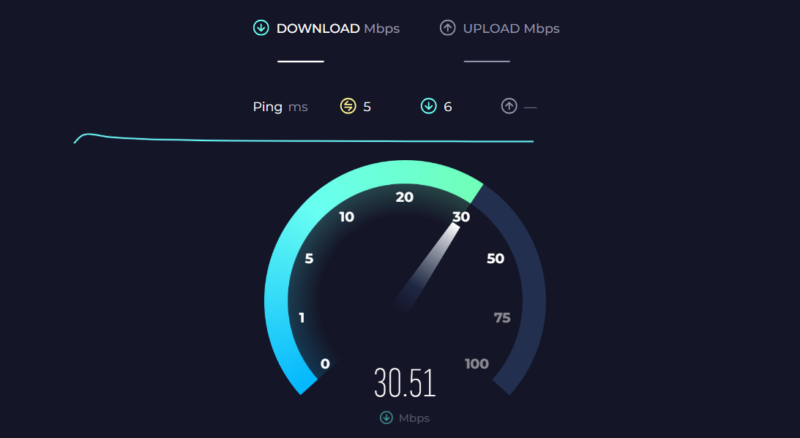
When you use a gaming VPN, it tries to receive your traffic using the most direct route possible, then forwards it directly to the gaming server, which is usually near the VPN’s server. This decreases overall latency. Furthermore, the servers are highly optimized to process gaming traffic and minimize packet loss to avoid lag spikes.
Protection Against DDoS Attacks
Although it’s not a big concern for most gamers, DDoS protection is one of the basic security features of gaming VPNs. You can become a victim of a DDoS attack that can interrupt your gaming session and contribute to losing. Gaming VPNs filter malicious traffic and divide the load between multiple servers to avoid conjunction.
Prevents Network Throttling
Many types of network throttling at the ISP and game server end can affect your gameplay. Your ISP can throttle speed during rush hours or prioritize other types of traffic over gaming traffic. Similarly, game servers can decrease priority to traffic from specific locations when under load or high activity events, such as patch days.

Since the VPN hides your traffic using encryption and changes your location, most network throttling practices don’t work.
Better In-Game Matchmaking
For games that use location as a factor for matchmaking (like Brawl Stars), a VPN can help you find better matchups by showing your location in a more competitive area. Since a gaming VPN can also optimize connection, you can leverage the benefits of better matchmaking and slightly higher ping.
Access Geo-Restricted Content
Many game releases or content releases are limited to specific regions. With a gaming VPN, you can access those types of games using a server in a supported region. You can also access region-specific deals or avoid IP bans, but this is usually against the game’s terms of use and can get you a further penalty.
Choosing the Right Gaming VPN
Do you want to try a gaming VPN? Choosing a gaming VPN is a bit different than a regular security VPN. Gaming VPNs have dedicated optimum settings for each game, so they don’t support all the games.
First, make sure your games are supported by the VPN provider. Check the VPN’s website to see the list of supported games. Peruse these lists of supported games by Exitlag and WTFast to get an idea.
Furthermore, there are two types of gaming VPNs: a regular VPN that has gaming features and a dedicated gaming VPN that only works for games. If lower ping is your focus, I highly recommend using a dedicated VPN, like Exitlag or WTFast, as their servers specifically handle gaming traffic. However, if you also need a regular VPN for online security, then ExpressVPN or NordVPN would be better.
Below is a list of things you should consider when choosing a gaming VPN:
- Look for a free trial to see how much improvement it will bring. I like Exitlag in this regard, as it gives a three-day free trial without a credit card.
- Check platform support. You should be able to use your account on your PC, mobile, and preferably on console, too.
- Make sure it can automatically find the optimum server for the game, and ideally switch in real time. You don’t want to waste time experimenting and choosing servers manually.
- Consider additional features. Many gaming VPNs have additional optimization features that can greatly improve the overall gaming experience, like FPS boost, overlays, ping tracker, traffic shaper, etc.
It goes without saying that you should not choose a free gaming VPN. With all the other issues with free VPNs, there is no way a free VPN can provide optimized servers to handle gaming.
Image credit: Freepik