
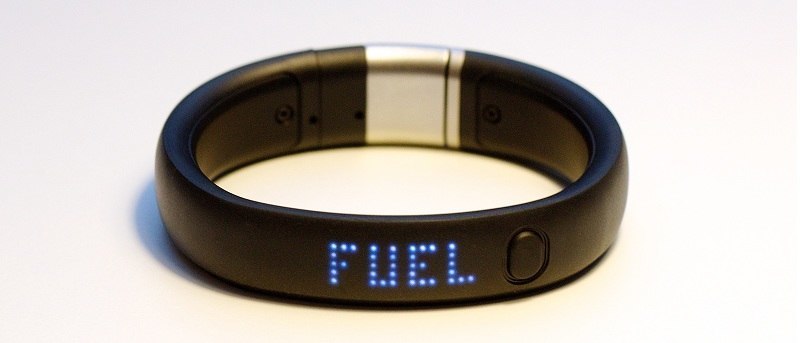

The last twenty years has seen an explosive amount of technological innovation, from hospitals to wearable devices, in-home personal computers, and all of the more recent “smart” devices. Not so long ago, in order to measure a person’s heart rate, blood pressure, and other key vitals in a hospital, massive costly machines would need to be attached to a person in a very time-consuming process. Today, however, this sophisticated technology is widely available to the public in a number of reasonably-priced products, providing the benefit of being seamlessly woven into our everyday lives in the form of wearable items.
How Is It Being Used?
Wearable technology is in a semi-nascent stage. People are still finding new uses for such devices, but for the most part, health tracking has proven to be very promising. For consumers, this means that doctors are able to have a complete picture of their patients’ health.
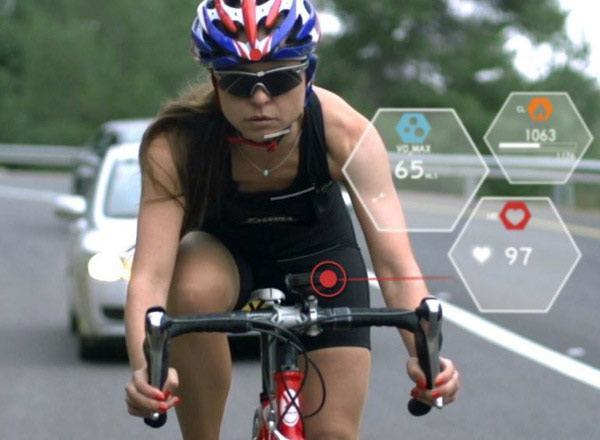
Consumers also have full access to more insight into how their bodies react to certain habits on a daily basis at home. In the fitness and sports arena, one particular company called LifeBEAM has embedded bio-sensors that track heart rate, calorie consumption, cadence, and other key parameters in smart hats, visors, helmets, and other products. The advanced health monitoring sensors allow people to connect their smart devices to nearly all apps or fitness devices to monitor performance and improve their physical fitness.
Sensors can also be used in private businesses, allowing them to understand when employees begin feeling overwhelmed or stressed and lets them take this into consideration when making decisions on what roles employees are ready to play. Sports teams can use sensor input to determine when players are feeling too tired to continue playing and bench them.
Implications in Big Data
Wearable sensors not only give us an idea of our own bill of health, but also play a major role in a much bigger spectrum (hence the use of the term “Big Data”). With wearable technology in the workplace, we can better understand what conditions employees need to be more creative by measuring spikes in gamma brain waves that occur just before that big “aha!” moment. By making large-scale studies, compiling data from multiple workplaces, we can understand what makes people tick and provide environments that promote productivity and creativity harmoniously. Life for employees can improve, while businesses can become more competitive. It’s a complete win-win for everyone!
Things to Watch Out for
Of course, whenever there’s a new technology, pitfalls come along to ruin the party for us. By storing more data about employees and consumers, we potentially expose them to data breaches that can have very negative implications to their own personal privacy. Security will have to be the number-one priority as adoption moves forward. Remember, online credit card payments have been happening every day for years, but we still see breaches happening on massive scales. We still do not understand completely how much more a security breach will negatively affect employees and consumers whose health data we are recording, but we should definitely work on making sure that the benefits of the technology outweigh its risks.
What’s in the Future?
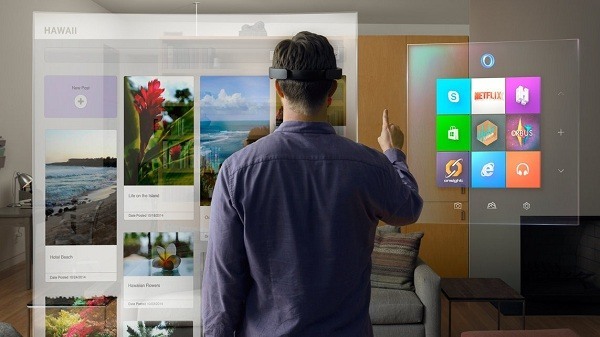
Wearables, as far as health is concerned, show a lot of promise for doing some good in this world. But wearables can have many more implications in our lives. I’ve already explained in an earlier piece how the HoloLens from Microsoft can improve the way we work with the added benefit of being addictively entertaining. The ability to make sensors, wear them, and then use those wearables for our convenience and benefit will provide a significant boost to almost every industry. Should the technology overcome all of the things that may hold it back in the future, we should be seeing these devices making a strong presence in our lives by the year 2018.
What do you think about this prospect? Should we be concerned? Or is it something to look forward to? Tell us in a comment below!