
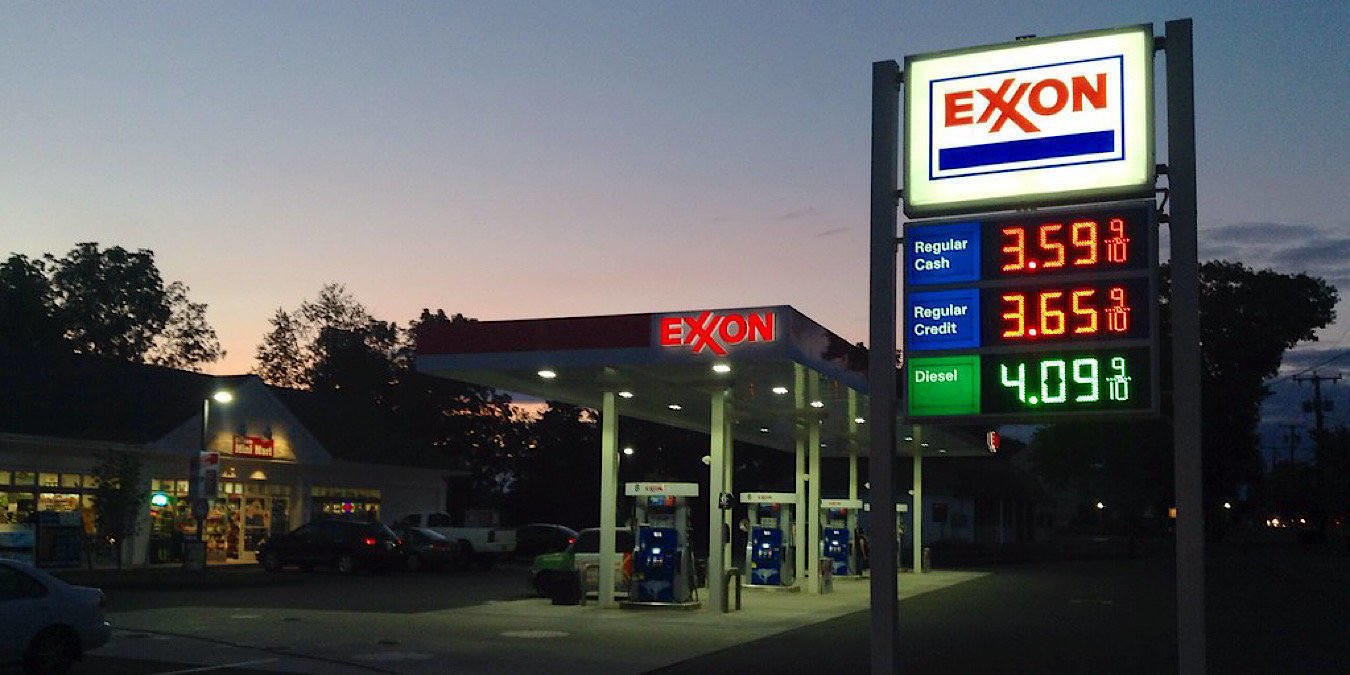

Waze has come a long way since it first debuted in 2006. In fact, it’s gone all the way to being acquired by Google. The app has had a number of changes this year. The most recent change in the Waze app is the addition of a gas station contactless payment option.
Waze App Changes
Waze has always been a more interesting navigation app. Now that it was bought by Google, it’s often just referred to as Google’s other navigation app as it takes a back seat to Google Maps.
Earlier this year it made some changes to help users while they navigate their way through the coronavirus pandemic. The app highlights food distribution centers for those in need and also identifies stores that have drive-thru and curbside pickup.
There’s also a new feature that helps essential workers find parking spaces with third-party services integration. Additionally, it partnered with SpotHero and ParkWhiz in the United States as well to get parking information right in the app.
On Wednesday it made another change. Waze added warnings for railroad crossing warnings. It can be very handy to know when those are coming up.
Pay for Your Gas on Waze
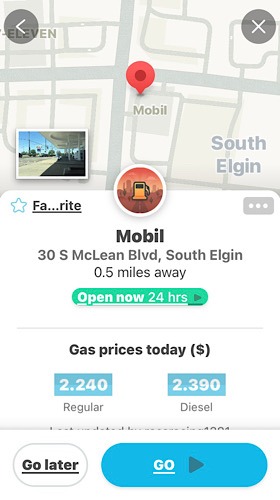
Keeping the theme of helping people navigate their way through the pandemic, Waze added another feature. While locating gas stations is a usual feature of most navigation apps, this one adds a contactless payment option, which saves you from having to touch the dirty gas pump.
You can easily search for gas stations along your route, and choose them to reveal the going price of gas and the hours of the gas station. But if you have the payment app for that gas station chain, you’ll also get an option to pay via your phone with the Waze gas station contactless payment.
Like the parking option that was added, this also works with partners. Waze partnered with ExxonMobil and Shell, so if you choose an Exxon, Mobil, or Shell gas station, you’ll get the option to pay for your gas through the app.
In addition to allowing you to social distance and prevent you from having to go inside to pay for your gas, the Waze gas station contactless payment option also prevents you from having to touch a dirty keypad at the pump. All your payment information is through your phone. You will have to touch the pump, though, unless you can convince the person at the pump next to you to pump your gas.
When you park your car at an Exxon, Mobil, or Shell station, The Waze app will send a notification telling you to pay with the gas station’s contactless payment app. You’ll still continue to earn rewards, too.
After your payment is complete, you’ll be redirected to the Waze app so that you can continue along your route.
This feature has already rolled out in the U.S. It will not be available to Waze’s international users at this point.
If the Waze gas station contactless payment option interests you, learn about the safety of contactless payment cards.
Image Credit: Exxon Gas Station by JeepersMedia and Waze screenshot