
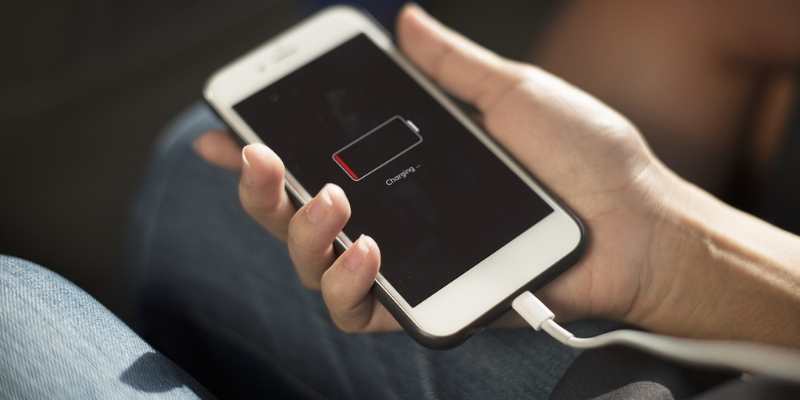

There is nothing worse than watching your phone battery drain, knowing that you need it to stay on and you have no way to charge it quickly. Manufacturers have been working to find ways to charge your phone battery faster, and the USB Power Delivery method seems to be the way of the future.
What Is USB Power Delivery?
USB Power Delivery, or PD for short, is designed to be a single charging standard that you can use with any USB device. These devices include not only cell phones but also hard drives, tablets, laptops, and even monitors. It’s a safe and efficient way to push the limits of voltage and current and boost energy flow to these devices.
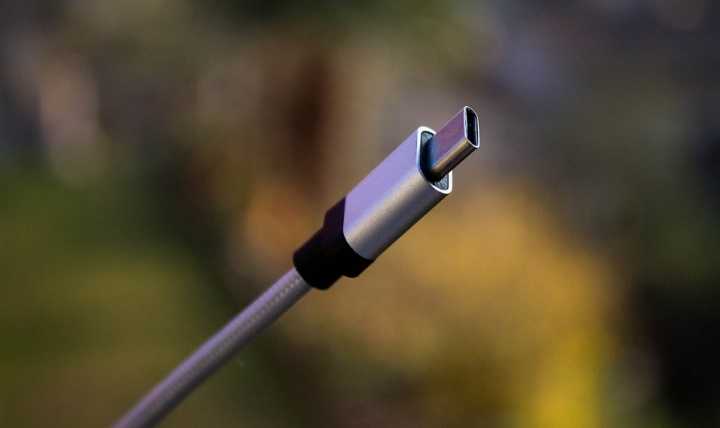
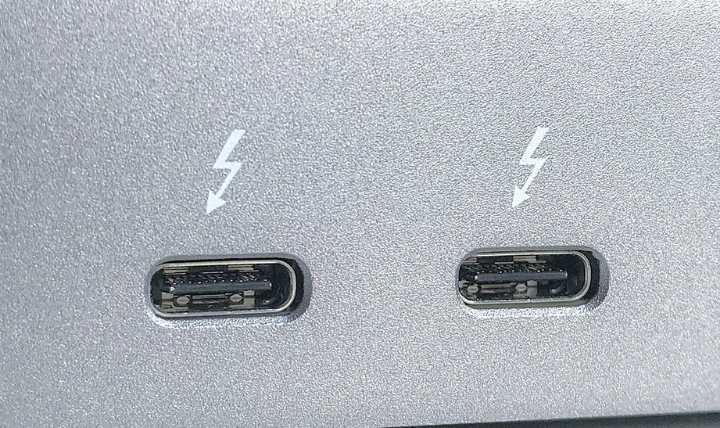
USB Power Delivery is delivered through a USB-C cord. This cable has a reversible tip that has no up or down configuration, so no matter which way you insert it, it will fit in the device. These cords can handle higher current and voltage than older USB cords, allowing for faster charge times.
There are other quick charging systems out there, the most popular of which is Qualcomm and its Quick Charge technology. Google and Apple, though, are pushing PD as the preferred method of charging. Because of this, Qualcomm has added the ability to use PD along with their process.
Another goal of USB Power Delivery technology is to reduce e-waste. In the future, the idea is that each device you own won’t need its own specific charger. You’ll be able to use the same charger for all your devices. It will eliminate the need to get a new one each time you upgrade or get a new device.
How Does USB Power Delivery Work?
Most charging systems prior to Power Delivery were only able to use 5V and a maximum current of 3A to produce a maximum power output of up to 15W. PD has increased the voltage to a maximum of 20V with a current of 5A creating a possible power level of up to 100W.
The USB-C cables that connect Power Delivery have communication pins inside them that allow the devices to communicate and determine the correct level of power the receiving device requires. This communication prevents over-charging of the device while allowing the quickest transfer of power to the battery.
Only USB-C to Lightning or USB-C to C cables are capable of PD technology. A standard USB-C to USB-A cable can handle up to 60W. To get the full 100W of power that Power Delivery makes available, you need an Electronically Marked Cable (EMCA) with the rounded plugs on both ends.
If you use a USB-C to C cable or a USB-C to Lightning cable, the flow of energy is bi-directional. In other words, you can use either of the two devices to charge the other.
How Does this Technology Affect the User?
At this point, USB Power Delivery is more of a luxury than a complete shift in charging capabilities. Most smartphones today won’t benefit from the added power because they generally require between 10 and 18 watts of power and a standard USB-C to A cable can usually provide that.
However, some newer devices and computers will definitely charge faster using the wattage the USB-C to C connection Power Delivery provides. There are more modern wall chargers and portable chargers for sale that have the USB PD port to charge using Power Delivery if you have a USB-C device and would like to try Power Delivery.
If you have a device that is USB PD capable, you will usually see faster charging when using Power Delivery. You won’t need to purchase different chargers for different devices. If you have a USB-C EMCA cable, you could charge one device from another device. That won’t really be relevant to you until you own several USB PD capable devices.