

The European Union shook the Internet up a few months back when it enacted the GDPR policy. Even the state of California put its own policy into place. Now the U.S. is working on its own data privacy policy. So far they’re still in the planning stages, so it’s unknown if this policy will shake things up as well.
Reminder of What GDPR Is
The GDPR (General Data Protection Regulation) is designed to protect Internet users in the E.U. It includes a set of guidelines for how users’ personal information is collected and what happens to it after it’s collected.
While all of that is great for consumers, it caused companies and website owners a good deal of grief, as they were instructed to change their websites to meet with the expectations of the guidelines of the GDPR.
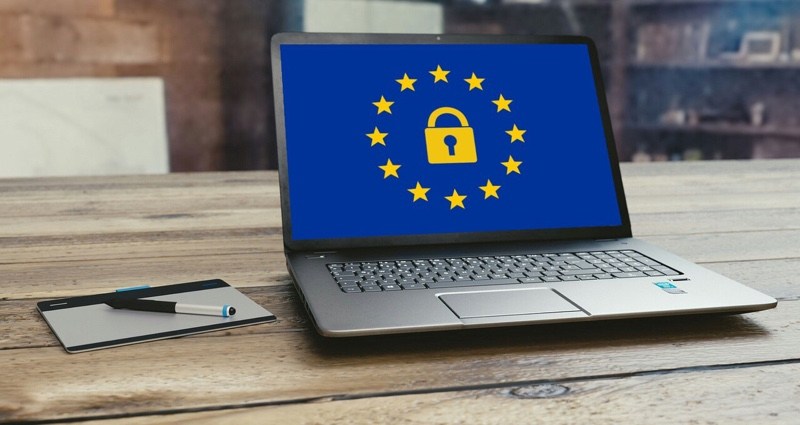
A short time after the deadline that companies and website owners were given, a rumor was floated that the U.S. was considering its own policy. We polled our readers and writers to ask if they thought this policy should go worldwide.
At that time we only had unofficial word that the U.S. was working on their own policy and the word of a special assistant to the president on tech, telecom, and cyberpolicy, Gail Slater. She said they were “talking through what, if anything, the administration could and should be doing.”
But now there is official word from David Redl, a senior U.S. Commerce Department official who oversees the National Telecommunications and Information Administration, and Lindsay Walter, White House spokeswoman, that a consumer data privacy policy is in the works.
What Has Been Confirmed
Redl said in a speech to the Internet Government Forum USA that the current administration “began holding stakeholder meetings to identify common ground and formulate core, high-level principles on data privacy.”
He contends the plan is to publish “high-level principles” and gather comments from the public as they work on a data privacy plan for the U.S.
Walters said that through the White House National Economic Council, the administration “aims to craft a consumer privacy protection policy that is the appropriate balance between privacy and prosperity.” She added that they “look forward to working with Congress on legislative solution consistent with our overarching policy.”
Major companies in the U.S. have had data breaches or have improperly shared the data of their users. These include Facebook, Yahoo!, Equifax Inc., Target Corp., and Home Depot Inc.

These meetings have included major Internet companies, such as Facebook and Alphabet (parent company of Google), and Internet providers, such as AT&T Inc. and Comcast Corp.
AT&T said it backs “federal legislation that establishes strong consumer privacy protections that apply to all companies operating on the Internet.”
A spokesman for the Information Technology Industry Council, Jose Castaneda, sees great possibility. “The United States has an opportunity to create a new, best-in-class privacy paradigm for the digital economy as well as avoid the creation of a patchwork of laws that would impede innovation.”
However, all this is being done after Donald Trump, president of the U.S., repealed privacy rules that had been approved by the current administration. They required Internet service providers to better protect customers’ privacy than what websites were doing. Now it seems the goal is just to initiate this administration’s own policy.
Where Will All this End Up?
The big question is where all this will end up. Castaneda hit the nail on the head, that we don’t need a bunch of conflicting laws that will make it hard to do anything on the Internet. We already have the rules set forth by the GDPR – we don’t want a bunch more, but we do want to be protected.
What kind of privacy rules do you think need to be set at this point, so that we’re not just adding rules upon rules, and that will really help keep us safe when we’re on the Internet? Add your thoughts in the comments section below.