

Here on MakeTechEasier, we talk a lot about privacy and how important it is to protect it from hackers, scammers and government agencies.
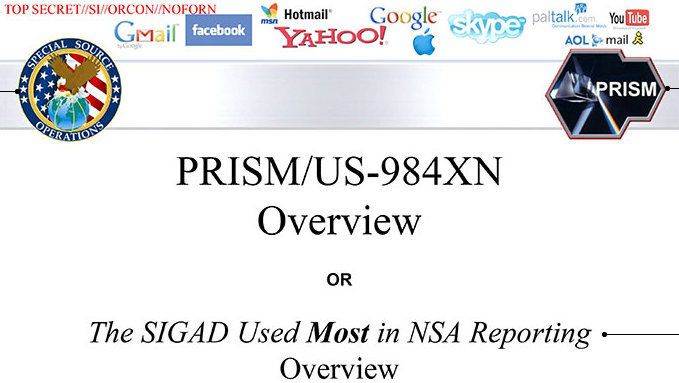
The biggest privacy scare in recent history was definitely during 2013 when Edward Snowden leaked information about the PRISM program and brought the terrifying reality of state-sponsored surveillance to the forefront. PRISM went as far as to direct surveillance of Internet communication, as it primarily took place on the servers of web service providers.
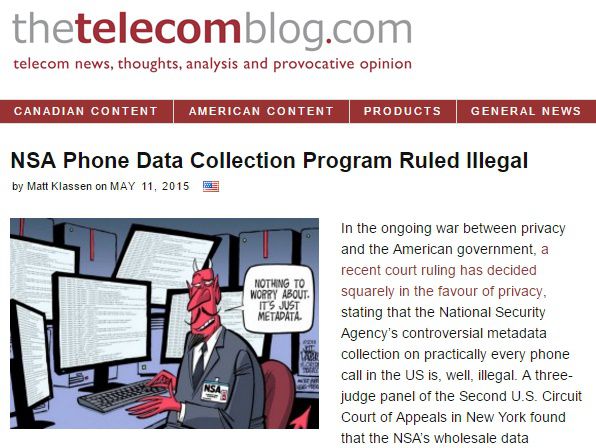
The NSA was also revealed to be using a program to monitor phone calls – not directly (at least not initially) but by mass-collecting and analyzing “metadata.”
There is an understanding that metadata collection isn’t “as bad” as full surveillance, but what is metadata? Can collection of metadata be harmful to your privacy? Is there anything you can do to protect yourself from data collection?
In this article we’ll be answering all of those questions.
What is metadata?
The short, simplified version is that metadata is data about data. So, for instance, a recording of your phone call to your doctor about your weird, crippling disease isn’t metadata – that’s just data. However, data collected about that call (when it was made, who participated, how long it was, etc.) is metadata.
This doesn’t just apply to phone calls either. Metadata is huge on the Internet, and due to some ways that it works by default, metadata can give more information than you might be comfortable with.
There are a lot of implications behind your metadata being collected. Let’s jump into those.
Why your metadata is important
Metadata in itself isn’t inherently harmless and has been in our society for longer than many of us have been alive. Libraries, for instance, have been organizing books using metadata (author name, date, genre, etc.) for ages. Metadata isn’t solely a digital concept.
Even digitally, metadata is most often used to locate and organize content online and on your computer.
There are issues with metadata when it’s being collected and when it gets personal. Someone having access to all of the metadata produced by your phone knows who you’re calling, how long you’re talking to them, how regularly you speak to them, and may even be able to find both of your identities if your phone numbers are available online.
The same thing can apply to your email address on your home computer, to the metadata included in files you send (such as photos), and more. Access to this information can lead to larger breaches of privacy, up to and including access to your personal data, such as your passwords and credit card number.
How you can protect yourself
First, educate yourself about the dangers of data collection. Next, start looking into ways to protect your general privacy online: look into securing your operating system, securing your browser, or even installing privacy extensions.
Security-oriented content is quite plentiful here on MakeTechEasier. With good data security practices, you’ll be able to protect your data