

One of the industries most affected by the pandemic is travel. It has affected all areas: air, lodging, cruising, etc. To get the airline industry up and running, the IATA is instituting a travel pass app that it says will be available later this month on iOS.
IATA’s Travel Pass App
Chances are, you may have had your travel plans affected in the past year. Your plans have most likely been canceled, changed, or delayed.
With travel restarting in most areas, it’s at best with hesitancy. Airports and airlines are requiring masks, and some countries are requiring a negative COVID test. There are already questions of whether a vaccine will be required for some travel, such as internationally or on a cruise ship. This brings up additional questions of how it will be policed.
The International Air Travel Association (IATA) has announced a digital travel pass. The purpose will be to coordinate information – which tests and vaccines will be required and where they can be obtained and results and proof of passenger testing and vaccines.

The IATA’s plans are for the Travel Pass Initiative to include a registry of health requirements, registry of testing/vaccination centers, lab app (collection of test results and vaccination certificates), and a travel pass app.
The app will allow users to create a digital passport, verify their testing and vaccinations, and share the results of testing and vaccinations during travel.
The IATA says on its website, “The main priority is to get people traveling again safely. In the immediate term, that means establishing confidence in governments that systematic pre-departure COVID-19 testing can work as a replacement for quarantine requirements. And that will eventually develop into a vaccine program.”
Availability
On Wednesday, the IATA told Reuters that it would be releasing the travel pass app around the middle of April. It will release it first on iOS and later on Android. The IATA stressed that it will only be successful if airlines, countries, and airports use it.
The U.K.-based Virgin Atlantic airline said it would conduct a trial of the app on April 16 on a route from London to Barbados.
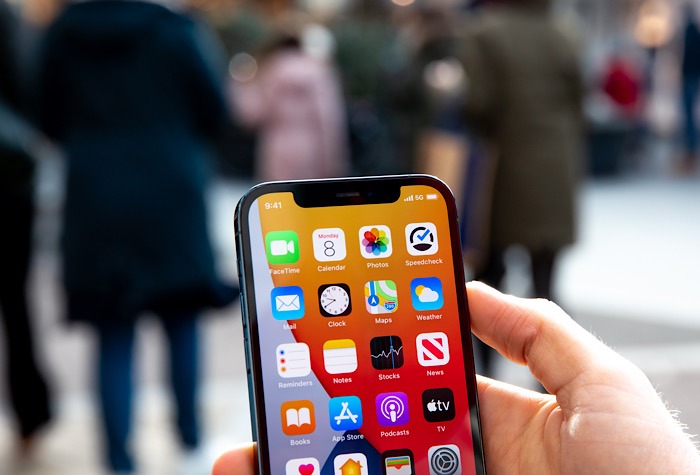
The IATA believes the travel pass app will quicken the pace of check-ins. It’s easy to make that assumption. Many air passengers now choose to use a mobile boarding pass rather than tote around a paper boarding pass. To handle health documents for travel in this same manner seems like the next obvious step.
The digital travel app has not been connected** at this point with cruise travel, but with as many problems as that sector of the travel industry is having getting restarted, it’s not difficult to see how that may help getting it up and going again.
Read on to learn about mobile apps that will make international travel easier.