
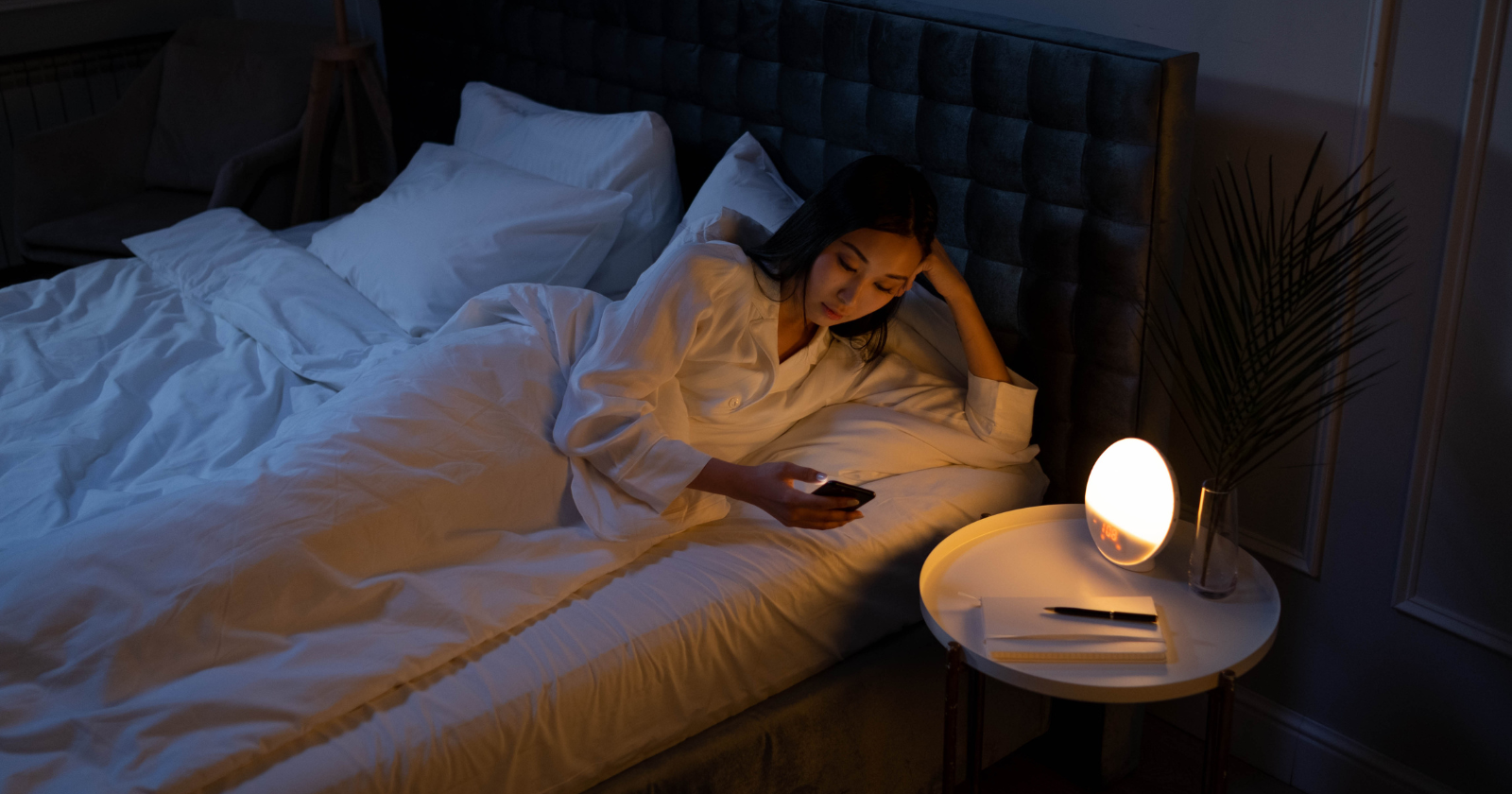

The place is your bed. That includes under the pillow, tucked beside you under the comforter, and between the cushions of a couch where you’ve dozed off.
Fire departments across the country have been issuing the same warning for years, and it keeps coming back because people keep doing it.
The message is short. A phone charging on a soft surface can trap heat, and a lithium-ion battery that gets too hot can catch fire while you’re asleep and least able to react.
A fire that started between couch cushions
In October 2024, firefighters in Adams Township, Pennsylvania, were called to a home at around 1:20 a.m. According to CBS News Pittsburgh, the fire was confined to a sofa in a bedroom, and the cause was “a charging cellphone tucked between cushions and a blanket.”
The Adams Area Fire District used the incident to post a warning in capital letters: “DO NOT LEAVE ANY CHARGING ELECTRONICS ON ANY SOFT SURFACES OR IN BED WITH YOU!” The department explained that “charging devices on soft surfaces can trap the heat generated by the battery while charging.”
Why the bed is the problem
A phone gets warm while it charges. That is normal. On a nightstand or a desk, most of that heat escapes into the air around it. Under a pillow or wrapped in bedding, it has nowhere to go. Fabric and foam act as insulation, holding the heat against the phone and the charger.
Back in 2017, Tucson Fire Department Captain Andy Skaggs gave KGUN 9 two reasons it’s a bad idea. Pressing the cable under a pillow night after night “can damage the cord over time,” he said, and it is “going to trap that heat in there. It’s just not a place to charge.”
He also pointed to the timing. “You’re in a deep sleep, if that pillow catches fire and starts to smolder,” you may not wake up until the situation is already serious. A fire on a kitchen counter at noon gets noticed. A smoldering pillow at 3 a.m. may not.
What fire departments advise instead
The guidance from different departments barely varies. The Madison Fire Department in Wisconsin lists it plainly under things to never do: “Charge your device under a pillow, on your bed, or on a couch.” The Los Angeles Fire Department says not to charge “on furniture or soft surfaces” and to use a “nonflammable, stable surface” instead.
In practice, that means a few simple habits:
Start with a hard surface. A nightstand, dresser or the floor is far better than the mattress. Skaggs’ advice was to put devices “on a dresser, a nightstand, just don’t cover them up.”
The charger matters too. Madison Fire says to use the charger that came with your device, to look for a “UL” mark from Underwriters Laboratories on devices and chargers, and never to buy off-brand chargers. The LAFD gives the same advice on UL certification.
Damage is the next thing to watch for. A frayed cable, a charger that gets unusually hot, or a phone with a swollen battery is a sign to stop using it. The LAFD lists swelling, odor, leaks, discoloration and unusual noises as warning signs.
Location in the room counts as well. Madison Fire also advises against charging devices near your main way out of a room, because if one catches fire you need that route clear.
How likely is this, really?
Phones are designed with safety features, and fires like the one in Adams Township are rare enough to make the local news.
Fire departments are not saying every phone in bed will catch fire. They’re saying that when a fire does start, a bed is one of the worst places for it to happen: lots of fuel, a sleeping person, and no one watching.
The risk rises with cheap, uncertified chargers, damaged cables and older batteries. It rises again when the phone is covered and can’t shed heat.
The fix costs nothing. Move the phone a couple of feet, from the pillow to the nightstand. If the cable doesn’t reach, a longer certified cable is a small price for not sleeping on top of a heat source.