
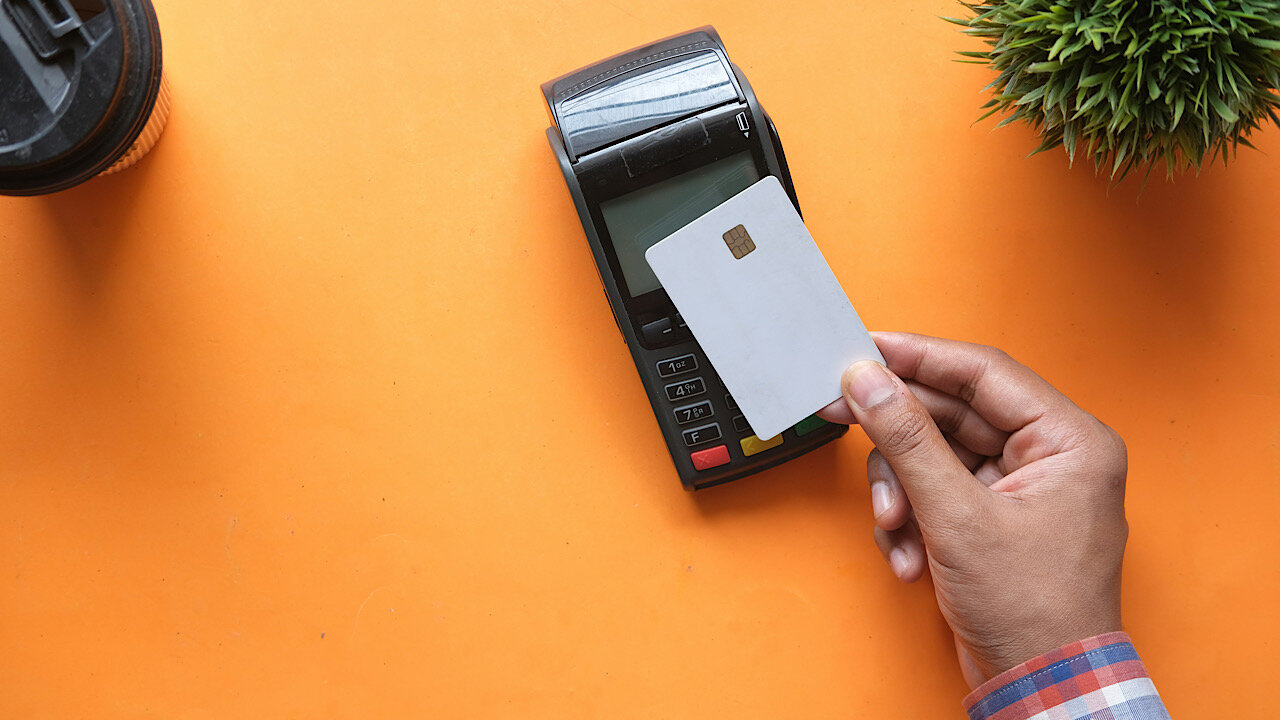
Tap to Pay on NFC Could Soon Involve “Multi-Purpose Tap”

Nfc Multi Purpose Tap Featured

Just when we’re all getting used to tapping our credit and debit cards on the terminals at stores, it may get a little more useful. The “Multi-Purpose Tap” concept could roll out in the future, which would allow you to do more things at the NFC pay terminal.

The Multi-Purpose Tap Concept

The NFC Forum published a blog post and a PDF about the new Multi-Purpose Tap concept that “is expected to revolutionize the contactless user experience.”

With just a single tap of your card, you could be activating point-to-point receipt delivery, a loyalty card, submitting your ID, or using your transit card. With that in mind, it’s easy to see how it could be revolutionary.
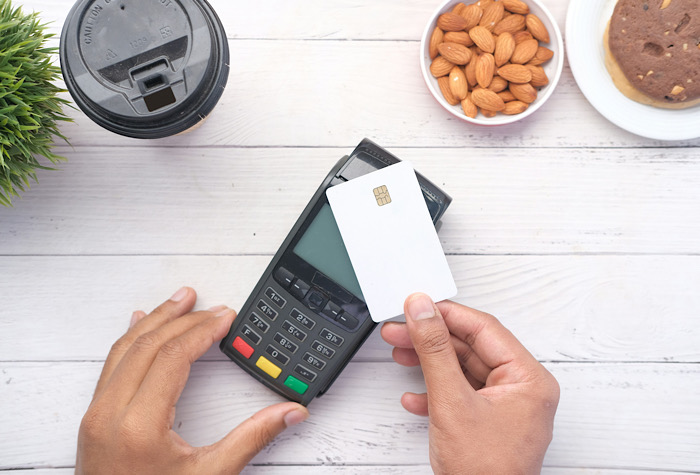
NFC Mutli Purpose Tap Contractless Payment
Image source: Unsplash

Mike McCamon, Executive Director of NFC Forum, said, “Consumers and retailers love the security, reliability, and convenience of contactless payments – imagine also logging loyalty points or getting your receipt over that same instantaneous tap. The potential to complete multiple functions and link services together is limitless.”

The goal is to improve the usability of the Tap to Pay technology and make it so that you can personalize it to your own needs. You’ll be able to add loyalty points, use promotions, and apply concessions and best fare pricing for travel. You could also receive additional information about a product, such as how to recycle it when you’re done using it.

How Multi-Purpose Tap Could Work

NFC’s PDF explained the Multi-Purpose Tap concept in full. Laying out the benefits of the technology, it said, it could check pre-conditions of a sale, such as permissions, discounts, loyalty, and ticketing. It could then make the payment for goods, services, and tickets, and follow up with post-processing, such as receipts, data processing, and access.
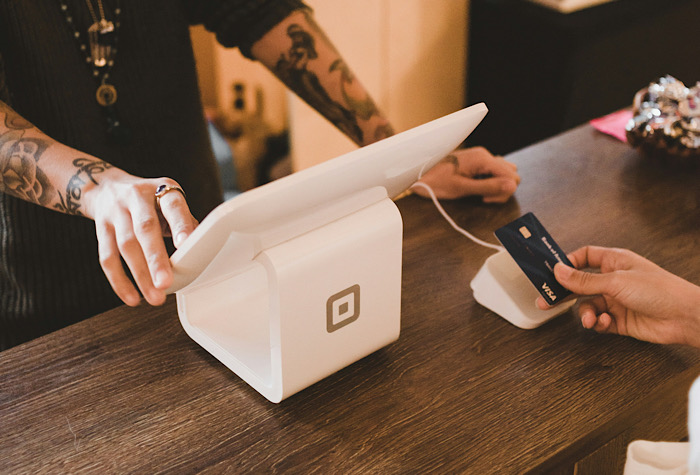
Nfc Multi Purpose Tap Terminal
Image source: Unsplash

Of course, this means that the technology would have to be brought to your smartphone, if you tap your device instead of your card, be it a debit or credit card, and NFC terminals. All will have to carry this new technology.

Additionally, it was explained that app developers can design apps that will interact with NFC devices to both read and write data to aid in the Multi-Purpose Tap concept. It could change the way payments and information are exchanged. Check out some great Android apps that already make good use of NFC.

Google Pay vs. Samsung Pay vs. Apple Pay: learn which NFC mobile payment app is the best for you.

Image credit: Unsplash

Subscribe to our newsletter!

Our latest tutorials delivered straight to your inbox

Laura Tucker Avatar

Read next

The original iPhone Steve Jobs unveiled in January 2007 could not record video, could not copy and paste text, could not run a single third-party app, and could only reach the internet over 2G — and Jobs spent ninety minutes on stage at Macworld arguing, one missing feature at a time, that every absence was actually a design decision.
When the SS Great Eastern laid the first working transatlantic telegraph cable in 1866, a message that had taken ten days by steamship suddenly crossed the ocean in minutes, and the financial markets of London and New York were forced, within a single trading week, to invent the modern concept of synchronised global price.
The Big Ear telescope was scanning at 1420.4056 megahertz on the night of 15 August 1977, the exact frequency at which hydrogen atoms vibrate across the universe, because Giuseppe Cocconi and Philip Morrison had argued years earlier that any species trying to be found would broadcast on that channel — and then, for 72 seconds, something did.
When Cingular chief Stan Sigman backed the original iPhone before its 2007 unveiling, he accepted terms American carriers usually refused: no logo on the device, no control over its software, no preloaded apps, and a share of monthly subscriber revenue flowing back to Apple, after signing on without seeing a prototype
In 2016, archaeologists dated two rings of snapped stalagmites in France’s Bruniquel Cave to 176,500 years ago, evidence that Neanderthals had walked 336 metres into darkness with fire and built architecture deep underground long before modern humans reached Europe
Otto von Bismarck was 74 when Germany adopted the world’s first national old-age social insurance program in 1889, setting the pension age at 70 after years of fighting socialists with bans, laws, and a promise few workers would live long enough to use
When cosmonaut Valeri Polyakov stepped out of his Soyuz capsule in March 1995 after 437 consecutive days aboard Mir, doctors recorded him at several centimetres above his pre-flight height, and his spine had become so unaccustomed to gravity that the recovery team carried him to a chair rather than risk the compression of letting him walk.
When Bell Labs engineer Karl Jansky pointed a rotating antenna at the sky in 1932 looking for sources of transatlantic radio static, he kept picking up a faint hiss that peaked every 23 hours and 56 minutes, and he eventually realized he had become the first human to hear the center of the Milky Way.