


Microsoft just wants an invite to the party, while Elon Musk wants to innovate. They both have or are considering creating a mobile super app that can do it all, but does Microsoft or Musk have the best shot at getting Apple or Google to step aside?
What is a super app? Find out here.
Microsoft’s Vision for WeChat-Like App
Once you talk mobile, it’s either Apple or Google – they have the market wrapped up, though others have tried to take a chunk out of the narrow market share. While Apple and Google do have a rivalry, they also have agreements in place, leaving room for no one else.
Perhaps the biggest agreement between the two tech leaders is the one that puts Google Search as the default search engine on iPhones. It doesn’t leave room for anyone else.
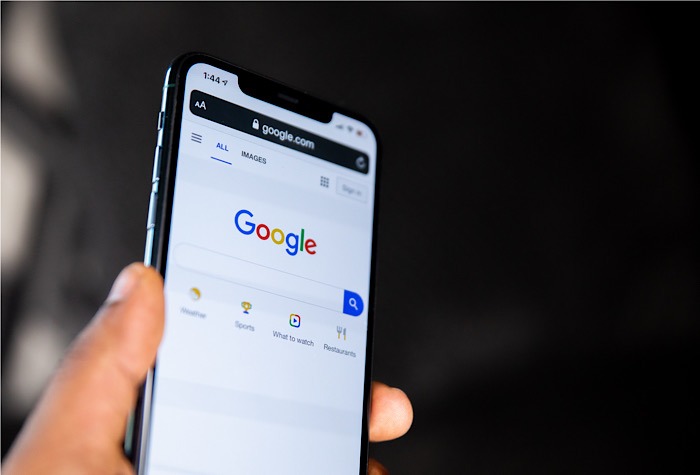
Microsoft would like an invite to that party, although the company also knows it doesn’t have much chance competing with Google to win that spot on iPhones.
It’s been reported that instead of trying to compete, Microsoft is looking into following Tencent’s lead. Tencent is the company behind the mobile WeChat app, and its strategy seems to be to offer every service on a mobile device so that you don’t need to leave the app.
In other words, If Microsoft created this super app, with search, shopping, news, messaging, etc., and you were hooked into it chatting or shopping, then needed to initiate a Web search, you wouldn’t need to leave the app to search on Safari or Chrome via Google Search – you could conduct the search within the super app that would employ Microsoft’s Bing search engine.
Elon Musk Wants in Too
The problem is that Tencent has been so successful with WeChat that Microsoft isn’t the only one looking for an invite to the party. New Twitter head Elon Musk isn’t looking for an invite necessarily but definitely wants in.
Back in May, after Musk had already proposed buying Twitter, then appeared to slink away from the takeover, he had a vision for a WeChat-like app, noting that for people who live in China, that’s all they have – yet it’s also all they need.
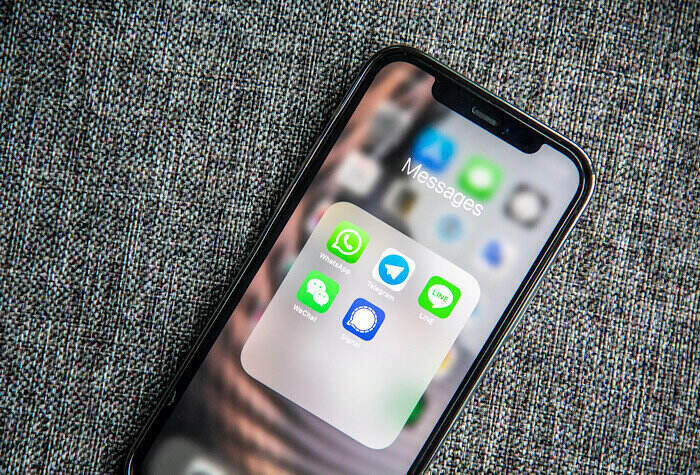
Musk said on a podcast that it was like “Twitter plus PayPal plus a whole bunch of other things all rolled into one with actually a great interface.”
As Musk got closer in his deal to buy Twitter, shortly before he finalized the deal, he tweeted that buying the social network was an “accelerant” to creating “X, the everything app.”
Of course, the past few months only opens up more questions regarding Musk’s direction. His Twitter takeover has been anything but smooth sailing, with an exodus of employees by force and willfully, and a direction for the service that seems to flow with every whim of Musk’s.
Does that mean that building X will be more difficult than Musk imagined? With Apple and Google battling for the number one mobile spot, will third place become a battle between Musk and Microsoft to see who will be the first tech company to build a WeChat-like super app?
It can only mean great things for consumers, who will benefit from having more choices. Read on to see how we compare the mobile payment choices: Google Pay vs. Samsung Pay vs. Apple Pay.
Image credit: Unsplash