
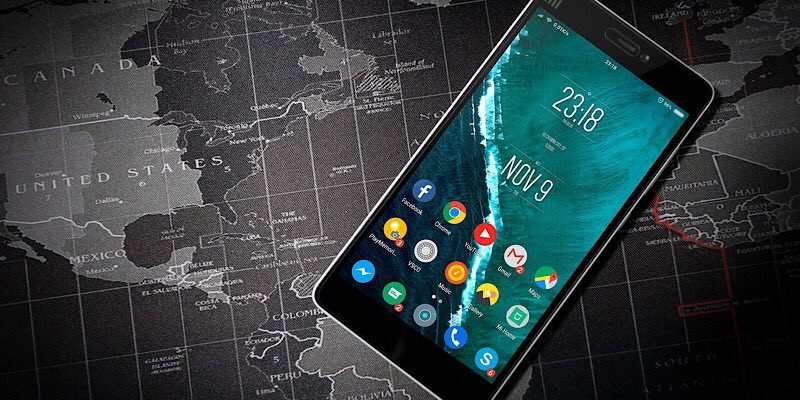

It’s hard to know which tech companies to trust with our data. We’ve known for years Google was using our data, and we found out recently that Facebook was as well. But what about Apple? It may surprise some people, but Android devices send data to Google more often than Safari sends data to Apple, according to a new report.
Android vs. iOS
There have been many opinions on which is better, Android or iOS, and this is just another factor to consider. Trade association Digital Content Next shared the research conducted by Douglas C. Schmidt, a computer science professor at Vanderbilt University, that he shared in a paper titled, “Google Data Collection.”
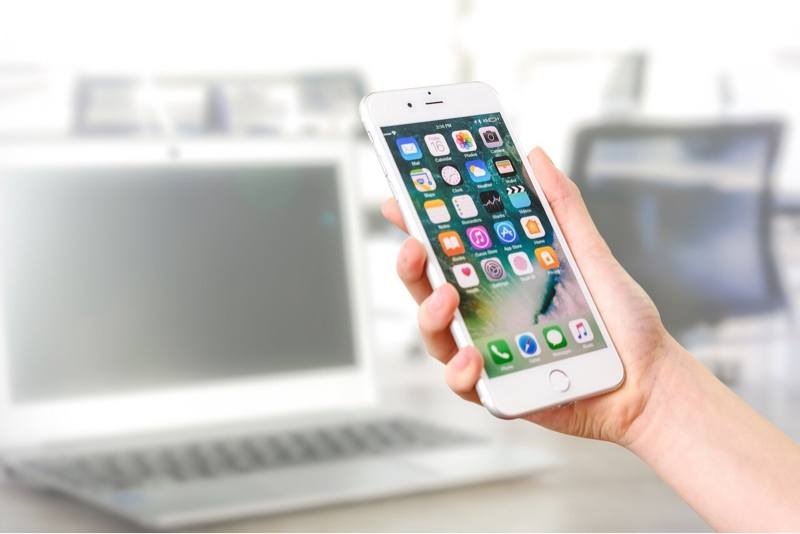
Of interest in his findings is that an Android phone using the Chrome web browser active in the background sent location information to Google 340 times during a 24-hour period. That definitely sounds like a lot. In comparison, on an iOS device with Safari open, Google wasn’t able to collect any data unless someone was actively using the device.
Even more surprising is that the research showed that an idle Android phone running Chrome sends fifty times more data requests per hour to Google than an idle iPhone running Safari. Additionally, an idle Android device communicates with Google almost ten times more than an Apple device communicates with the Apple servers.
Third-Party Apps Connecting to Google
This research also showed how Google can connect anonymous data it collects to the personal information of its users.
When using an Android device, activity data and third-party web page visits collected on “anonymous” advertising can still be associated with a user’s Google identity through Google’s servers.
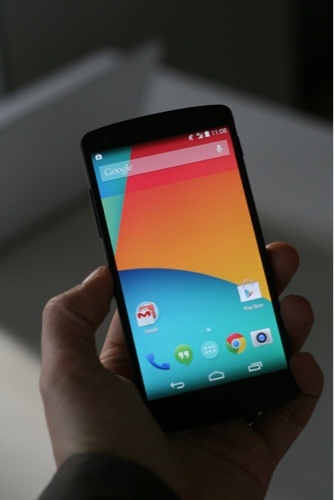
Google can also associate cookies from a third-party web page to a user’s Google account if a Google app was used in the same browser that was used to access the third-party web page.
Data Collection Policies
Google and Apple differ greatly in their data collection policies. Google was recently called out for continuing to track location data even after the setting has been turned off to do so. This is by design, as the location information is used for ad targeting.
Apple has a different policy. The data they collect is used to improve their services, such as Siri and to troubleshoot websites that use too much memory in Safari. But the data is randomized before it’s sent so that the servers aren’t receiving raw user data. Additionally, Apple gives users a choice whether they want to opt in to provide usage data.
Conclusion
Okay, so we didn’t solve that age-old question here whether Android or iOS is better. Certainly, this research shows that when it comes to sharing your data, Apple comes out ahead in this research. But there may be unknown ways that Android comes out on top.
That said, this probably isn’t going to change anyone’s minds. Android fans will still insist their product is better than Apple’s, and iOS fans will use this study to show why they have remained so loyal. There will also be the individuals who will emphatically state that neither should be trusted.
But we want to know what you think. Does this research change your mind? Does it reinforce what you already knew, or is it something you don’t feel is important? Let us know what you think about the research findings in the comments below.