


While you may have decided you will never pay for social media, it’s becoming harder and harder to avoid. Snapchat will be the next to offer a paid subscription with a plan called Snapchat Plus. Will you agree to pay for it? Or will you decide to do without?
Also read: How to Delete Anything From Snapchat (or Delete Your Account)
Snapchat Plus
Snap spokesperson Liz Markman announced that the company is in the testing phase of Snapchat Plus. “We’re doing early internal testing of Snapchat Plus, a new subscription service for Snapchatters. We’re excited about the potential to share exclusive, experimental, and pre-release features with our subscribers and learn more about how we can best serve our community,” she said.
App researcher Alessandro Paluzzi tweeted a couple of screenshots of one of the benefits of Snapchat Plus: a badge that will appear in your profile.
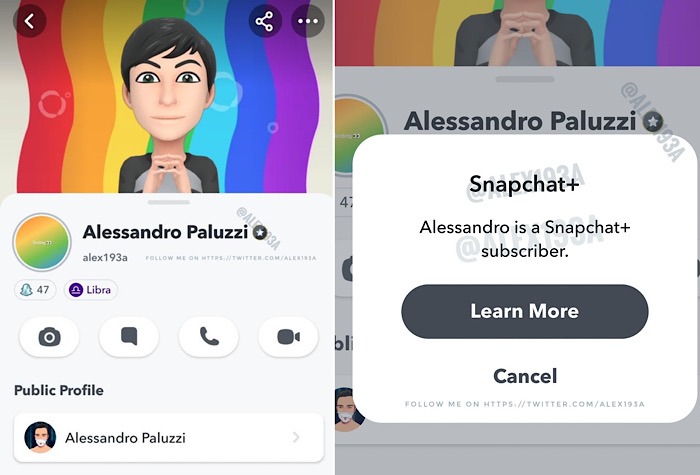
This premium plan will be offered for about €4.59/monthly or €44.99/yearly (about $4.84/monthly or $48.50 yearly).
Along with the profile badge, the plan will also allow you to “pin” a friend who will be labeled “#1 BFF.” You’ll also be able to “see your orbit” with your BFF, see where friends have been for the prior 24 hours, and how many friends watch your story two or more times. Changing the Snapchat icon will be an option too.
The looming question is whether current users would pay for these premium features in Snapchat Plus.
Putting the Blame on Apple
Snapchat Plus isn’t the first premium offer from a social network. Twitter started offering the Blue service last year, and Telegram is considering a subscription plan as well.
The Snapchat premium plan appears to be Snap’s way of dealing with revenue loss after Apple began allowing users to opt out of seeing ads. This had a crippling effect on many in the business.

While Snap crossed the $1 billion threshold last year for the first time and grew both Snapchat and Spotlight, it also didn’t meet its third quarter goal of $3 million.
“We grappled with industry changes to the way advertising is targeted, optimized, and measured on iOS that created a more significant impact on our business than we had expected,” said Jeremi Gorman, Snap’s chief business officer. She went on to say, “I think we prepared it the best that we can.”
CEO Evan Spiegel said Snap’s ad business model was “disrupted” by the changes and that Apple’s new ad tools “did not scale as we had expected.” Snap announced its own ad tool last year, but it doesn’t seem like this is enough.
Just a few weeks before the Snapchat Plus announcement, Spiegel announced that hiring would be slowed, hiring only 500 more people in the next year as opposed to the 2,000 it hired in the last 12 months.
He wrote in a memo to his employees, “Like many companies, we continue to face rising inflation and interest rates, supply chain shortages and labor disruptions, platform policy changes, the impact of the war in Ukraine, and more.”
Spiegel added that he expects revenue to be below the amount Snap told investors would be the lowest they could expect for the second quarter. This admission sent the Snap stock price to plunge to the lowest it’s been in two years.
While Meta hasn’t made any drastic changes to its business model, read how Facebook reacted to Apple’s ad tracking changes.
Image credit: Unsplash