


One problem that has only gotten worse with the advent of smartphones is distracted driving. There have always been people who were distracted by one thing or another, but there are too many things on a smartphone to draw your attention away. There are many laws against using a phone while you drive, and that’s why they now have smart road signs that can detect when you’re on your smartphone while you’re driving.
Smart Road Signs
Even the most disciplined person wants to occasionally take a peek at their smartphone. But there are some who completely abuse the privilege, checking their texts, posting to Facebook, etc. It’s a real danger on the road.
In an effort to put an end to the people who abuse the privilege of having a smartphone while driving, a smart road signs system is being installed in Norfolk.
This system will be able to tell when the phone feature of the device is in use. It will flash a red light to alert drivers that it’s detected the call. Sure, some people use hands-free calling, but the smart road sign system is able to detect Bluetooth signals, so it won’t be touched off by the hands-free calling.
So far, though, this is just a blinking light. That’s it. It can’t log license plate numbers of nab anyone who’s abusing the system. But those features are being considered sometime later down the road, but for now they’re hoping that the current system in use will be a deterrent to drivers.
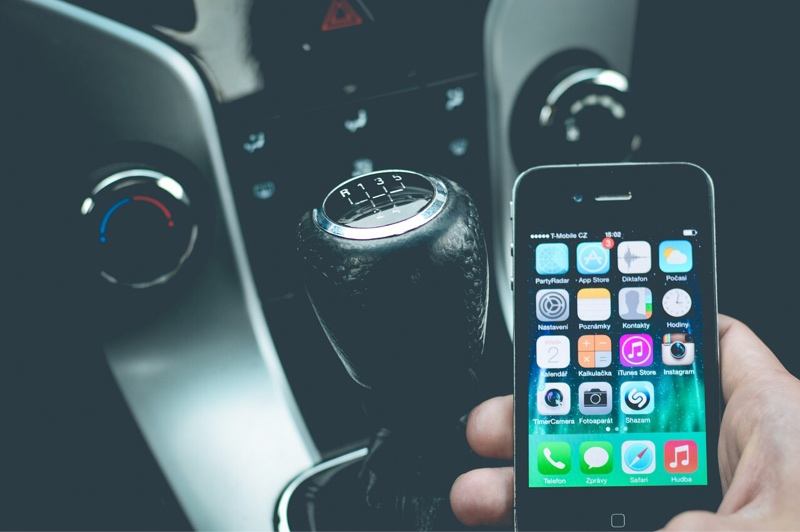
The system, developed by warning sign specialists Westcotec and Norfolk County Council’s road safety team, is the first in use in the UK.
Distracted Driving in the UK
Last year’s RAC’s Report on Motorings shows that 23% of people admitted that they take a call when they’re driving. A year earlier, one person was killed every ten days by a driver who was using their mobile phone. 137 people were seriously injured in the same type of accidents.
Not that it doesn’t go unpunished in the UK, just in case you don’t consider killing someone punishing, using a cell phone while driving will get you six penalty points and a £200 fine. A year ago it was just three penalty points and a £100 fine.
Norfolk roads policing inspector Jonathan Chapman welcomes the smart road signs system. “We will be using the information provided by Norfolk County Council’s road safety team to help us target drivers in the future, but the message is simple — leave your phone alone whilst you’re behind the wheel,” he admonished.
The Need for More
It’s great that they’re cracking down on people talking on the phone, but there’s a need for even more. Are you distracted if you’re on the phone? Yes, but not nearly as much as doing other things on the phone.
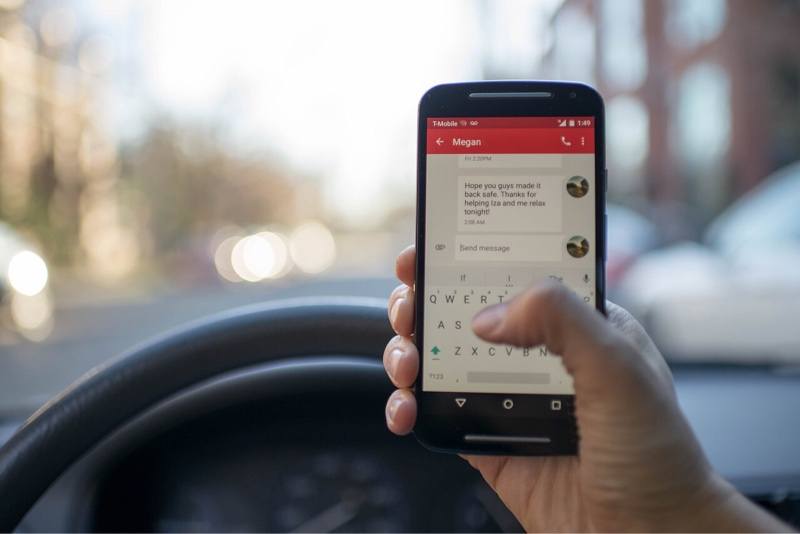
Texting while driving just seems so much worse. You have to read what the other person is typing, and you have to look down at the keys to type, although I don’t doubt that many habitual texters can do it without looking at the keyboard.
2011 statistics state that text messaging was associated with the highest level potential for distraction. Dialing a ten-digit number was the second highest potential for distraction, while radio-tuning experienced the lowest level.
2009 statistics – state that text messaging creates a twenty-three times greater crash risk than driving without distraction, while there is a sixfold increase in crashes created by texting while driving.
Those are pretty sobering statistics. It’s fantastic that they’re employing a smart road signs system, but they need to do more. They need to address texting while driving.
What do you think about this? Do you think a flashing red light will be enough of a deterrent? Do you feel texting is worse than chatting on the phone? Let us know your thoughts and concerns in the comments below.