


There was a time not too long ago when the Internet acted as a bastion of freedom. While it has maintained this status, governments are making inroads to controlling what is done on the Web in the form of legislation that some perceive as threats to the freedom of expression and press that have dominated the landscape for such a long time. It appears that there are a great amount of people on the Internet who feel as if there must be retribution for comments that offend them. The best thing that they can do in this type of situation is to ask the owner kindly to take down the comment, a request that the owner doesn’t need to comply with. A landmark European court decision could change all of that.
The Dilemma
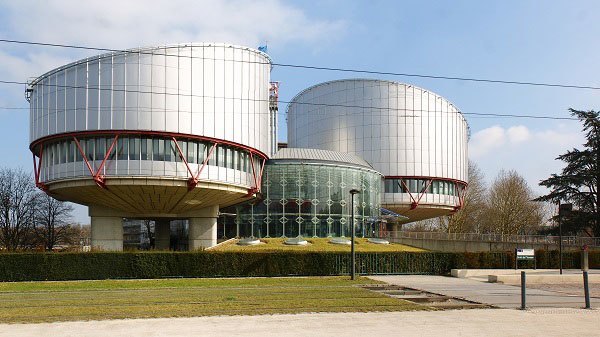
An Estonian news website posted an article in October 2014 about a company’s decision to change ferry routes. The story attracted comments that insulted the company, and as a response the news publisher, Delfi, was sued. Delfi made an appeal to the European Court of Human Rights which found that the restrictions on freedom of expression that the publisher faces are completely legitimate. We’ve all heard of outlandish court decisions, but this verdict was delivered by a principal European court, setting a precedent for future litigation and possible legislation.
This has essentially made websites in Europe responsible for the comments that appear on them, should these comments ever offend anyone. Critics are calling this an affront to free speech. The result of this landmark verdict will make it difficult for websites to accept dialogue that could provoke the ire of certain interest groups or companies.
Support for the verdict comes from people on social media sites such as some communities on Tumblr. Those who advocate for these restrictions say that it may help alleviate some of the harm that comes from speech that is deemed racist, incorrect, or otherwise insulting to any particular demographic.
This Might Not Even Be a Free Speech Issue
Rather than view this as an issue concerning the freedom of expression, I am inclined to believe that this is an issue of personal responsibility. Each person should be responsible for what they say on the Internet. By making websites responsible for comments we are eliminating the burden of personal responsibility from commenters and pointing the finger at an entity that, for all we know, doesn’t share the opinion of the persons who have made the comments.
As far as websites are concerned, their responsibility as it stood before the verdict was to ensure that its readers were catered to, and any material published by them was not violating any laws. The precedent established by the verdict now makes websites responsible for what anyone says, and may encourage sites – especially news publishers – to close their comments entirely in order to reduce their administrative workloads. This could also mean that the future status quo could revolve around the restriction on what particular groups of people may say.
What do you think? Tell us in a comment while you still can!