
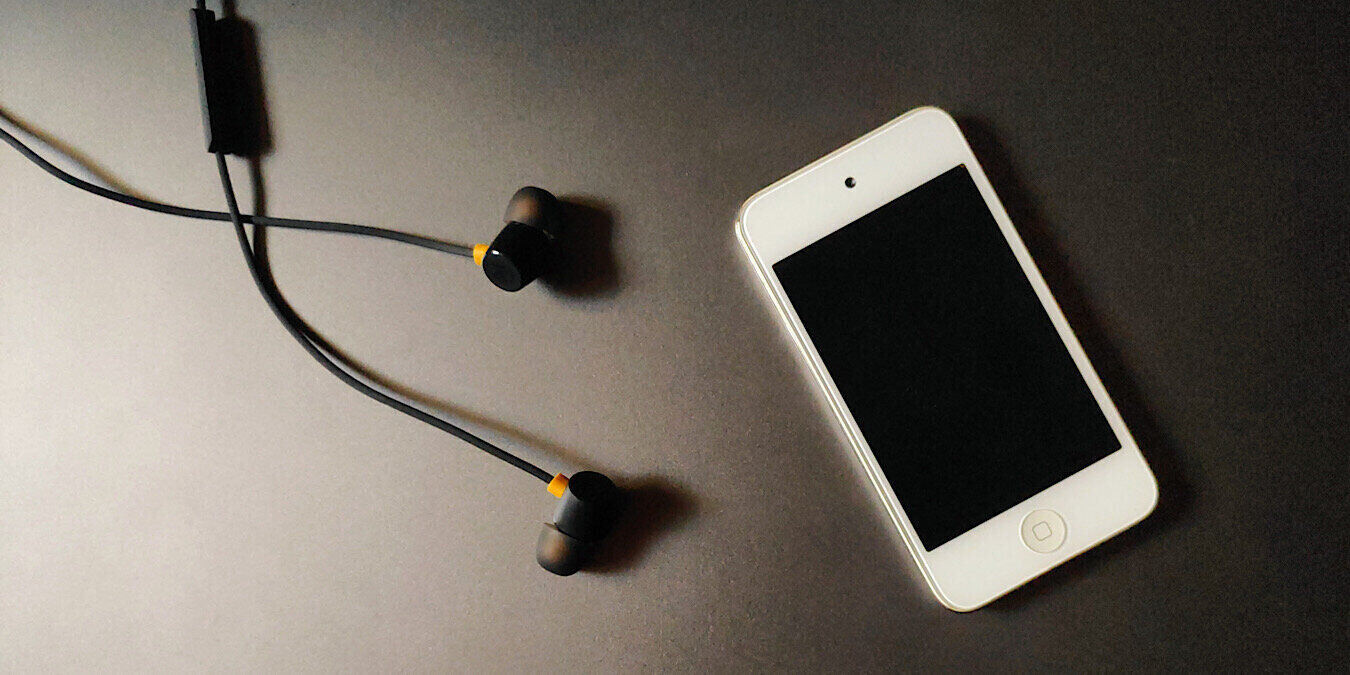

For more than 20 years, the typical image of personal music included an Apple iPod and wired headphones. But that picture has slowly been changing. Now you’re more likely to see a smartphone and wireless earbuds. Apple and Google closed the coffin on two items this week to permanently change that picture. Apple announced it is discontinuing the iPod, and Google announced its new Pixel 6A smartphone will not have a headphone jack.
Also read: Did Google Mean to Add a Pixel 6 Feature to Older Phones?
Goodbye iPod
The iPod has gone through many iterations over the years, but we all know that first one was the coolest. Until that was released in 2001, we thought the Walkman was the epitome in personal music.
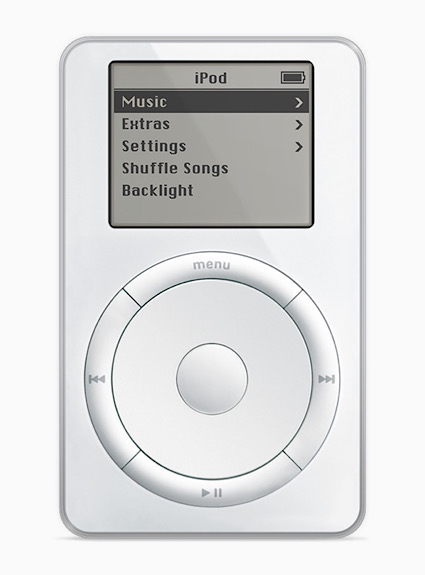
There’s been iPod Shuffles, iPod Nanos, etc., but it was that first one, the first iPod Classic, that left us all amazed. How could this tiny device hold your entire music library? Every album, song, etc., and you didn’t have to listen with big padded headphones – there were tiny headphones that plugged in to the iPod and sat in your ears.
With the advancement of the iPhone, people had less use for iPods. Eventually, all iPod models were discontinued except for the iPod Touch, which likely only survived because it was the same as an iPhone without the “phone.”
But now, the sole survivor, the iPod Touch, is going away as well. “Music has always been part of our core at Apple, and bringing it to hundreds of millions of users in the way iPod did impacted more than just the music industry – it also redefined how music is discovered, listened to, and shared,” said Greg Joswiak, Apple’s senior vice president of Worldwide Marketing, in a blog post.
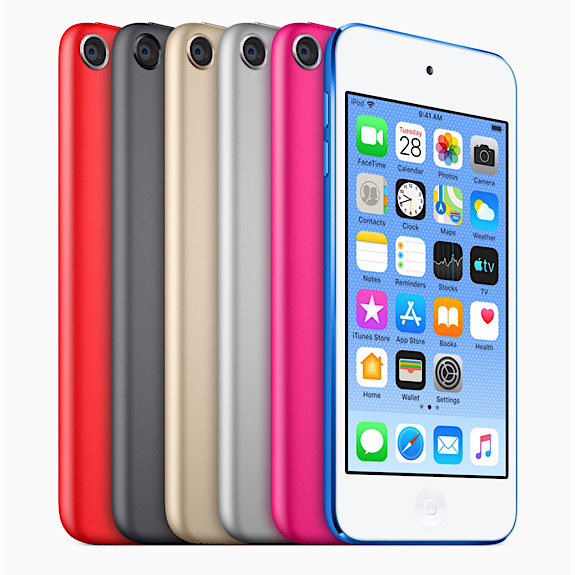
“Today the spirit of iPod lives on. We’ve integrated an incredible music experience across all of our products, from the iPhone to the Apple Watch to HomePod Mini, and leading sound quality with support for spatial audio – there’s no better way to enjoy, discover, and experience music.”
There just isn’t a use for iPods anymore. But if you’re feeling nostalgic, you can still get one “while supplies last.”
Goodbye Headphone Jack
There were many MP3 players, but only those from Apple deserved the iPod moniker. After Apple pioneered the iPod, it also led the charge to eliminate the headphone jack.
The industry thought Apple was crazy, but of course, the company was also trying to sell its AirPods. Google blasted Apple for this change.
When Apple released the iPhone 7 without the headphone jack, Google introduced its first Pixel smartphone – with a headphone jack. “3.5mm headphone jack satisfyingly not new,” said a Google ad.
But a year later, the Pixel 2 didn’t have a headphone jack. A few years later, Google introduced the first “A” Pixel: the Pixel 3A. The headphone jack was back.
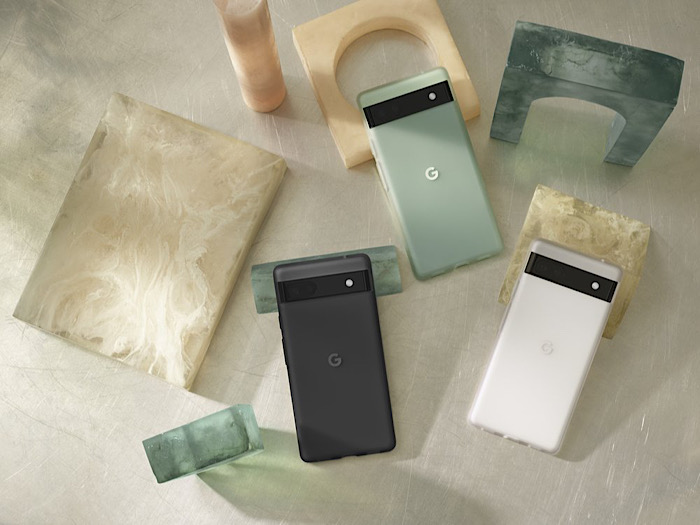
Last year Google ‘ mocked Apple and its design ads, but less than a year later, it seems it’s changing its mind again. This week Google introduced the Pixel 6A, and guess what’s missing? The headphone jack.
“We ultimately decided that including a headphone jack detracted from core product specifications and didn’t align with the Google ecosystem we are striving for,” said a Google representative.
“We significantly improved the Pixel 6a’s Bluetooth performance by adding Bluetooth v5.2 and dual chain support, meaning connected devices will have great audio range and quality.”
The iPod and headphone jack aren’t the only things being retired. The Internet Explorer browser is retiring in June 2022.