


Th’e smartphone market is incredibly competitive, making the performance the devices claim to have of utmost importance. This is probably the reason Samsung could be throttling apps: if it didn’t, it might not be able to make bold claims about the performance of its smartphones.
Also read: 5 Generations of Samsung Galaxy Phones Carried Security Risk
Is Samsung Throttling Certain Apps?
We expect a lot out of our smartphones. We want them to have great performance and battery life. Smartphone vendors and manufacturers advertise how long the battery will last through different activities, such as playing music or browsing the Internet to get our business.
We also want our phones to perform well. We want to know that no matter what task we assign to them, they’ll pull through and won’t stall out.
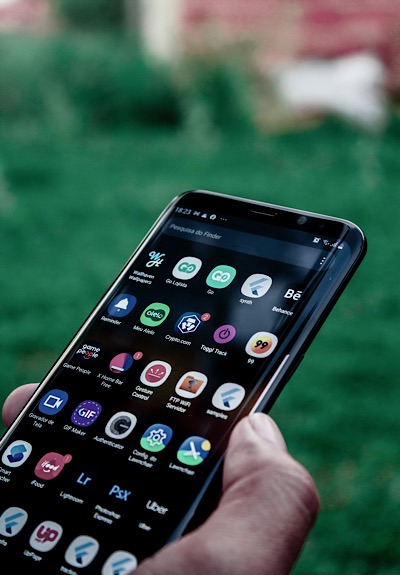
If you have a Samsung phone, you might not be getting all that performance you were promised when you bought it. Sure, your smartphone has the capabilities, but Samsung may not be allowing your phone to utilize them.
A list of 10,000 apps that Samsung is suspected of throttling has been posted to Twitter and other places around the Web. Samsung has been blamed for throttling the apps so that it can still make the claims on battery life. If the apps were allowed to run full speed, the battery wouldn’t last long, and users would surely notice and complain.
But plenty of users are complaining anyway. The 10,000 apps are held back, it’s suggested, because of “performance limits” as part of Samsung’s Game Optimizing Service (GOS).
Is Your Favorite Game on the List?
Since these apps are purportedly being held back for gaming performance issues, you would expect the list to just contain games, right? Looking through the list, though, that’s not the case.
Sure, the list contains many games, including popular ones like Candy Crush Saga and Minecraft. But there are many non-gaming apps as well, including ones you expect to use on your phone, such as Netflix, Microsoft office suite, and TikTok. Even some Samsung apps are on the list: Samsung Cloud, Samsung Pay, and even the dialer.
The apps that aren’t throttled are benchmark apps such as 3DMark, PCMark, and GeekBench 5. A YouTube user performed a test where they changed the name of the 3DMark package to a name connected to an app on the list and compared the results. Once it was renamed, it showed a lower benchmark score and average frame rate.
Samsung appears to have more faith in certain phones, as all of them haven’t been subjected to the same throttling of apps. The Galaxy S22 series, Galaxy S20 FE, and Galaxy S10e don’t have the performance limits installed on them. However, a Galaxy S21 Plus user claims to have seen it on their device and could not disable it.
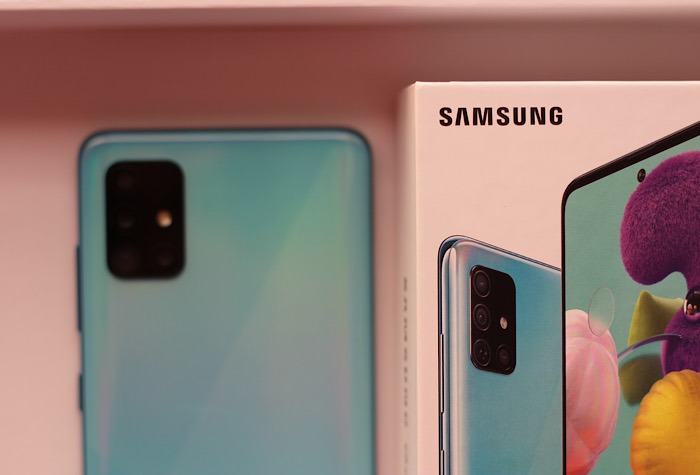
This is not a completely unheard-of practice. OnePlus was accused of “optimizing” the performance of some apps, with benchmark apps being unaffected. Apple was subjected to a class action suit for a practice along the same lines. It throttled iPhones as batteries got older so that they wouldn’t burn out. The company was accused of trying to force users into buying new phones.
It’s important to know if you’re a Samsung user that you may not be getting the promised performance on your phone to not affect the battery life you were promised. If you have noticed performance issues on your Samsung device, it’s quite possible that the users who have gone public are correct.
Read on if you want to learn how to monitor your gaming performance on a PC.