
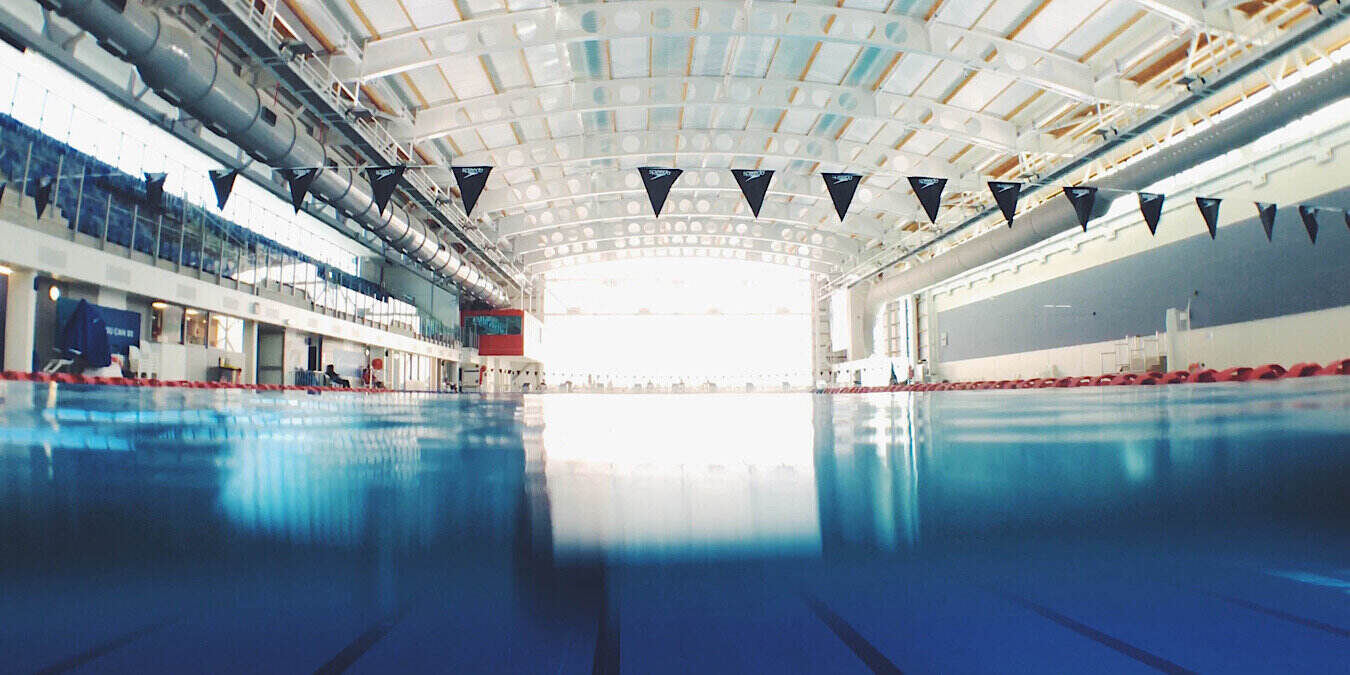

We use our smartphones for so many things, whether they are water resistant matters a great deal, which is likely why Samsung showed its phones being used in the pool, at the beach, in a spill, etc. As it turns out, older Samsung Galaxy phones aren’t as water resistant as ads claimed. The company settled an Australian lawsuit over its claims the devices were water resistant and agreed to pay $14 million as a result.
Also read: How to Use Samsung Keyboard Like a Pro: A Complete Guide
Samsung’s Water Resistant Claims
The Australia Competition and Consumer Commission (ACCC) initially launched a lawsuit against Samsung in 2019 over the water-resistant claims of Galaxy phones. The seven models in question are the S7, S7 Edge, A5, A7, S8, S8 Plus, and Note 8.
The suit claims consumers were deceived with Samsung’s water resistance claims in more than 300 advertisements since February 2016. Samsung’s barrister, Nicholas De Young, said in court that the number of ads affected totaled 684.
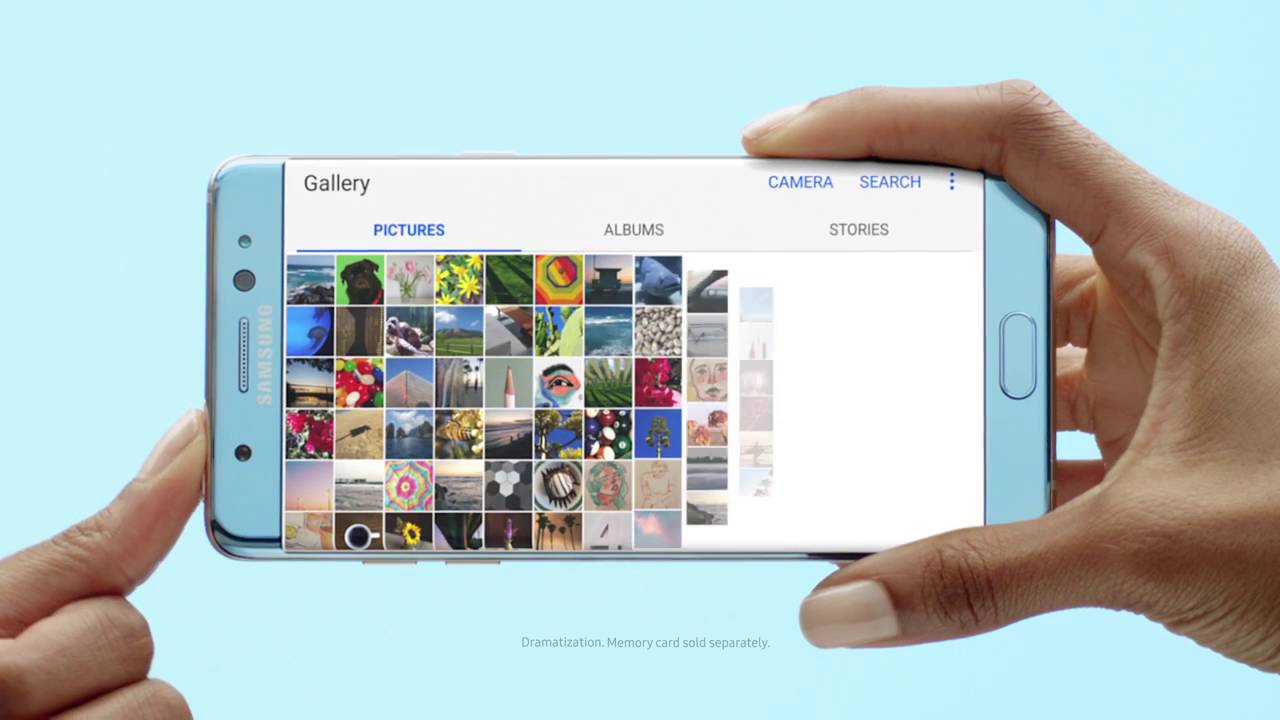
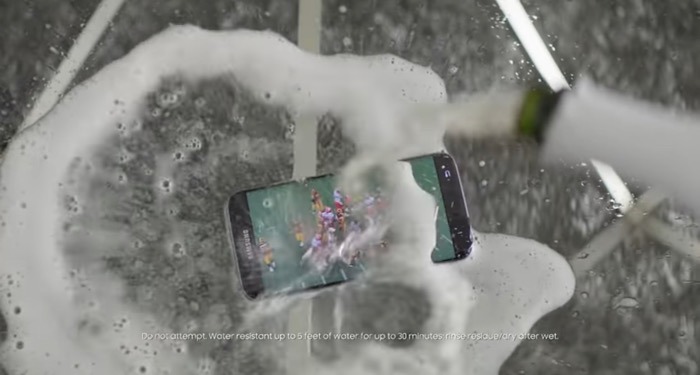
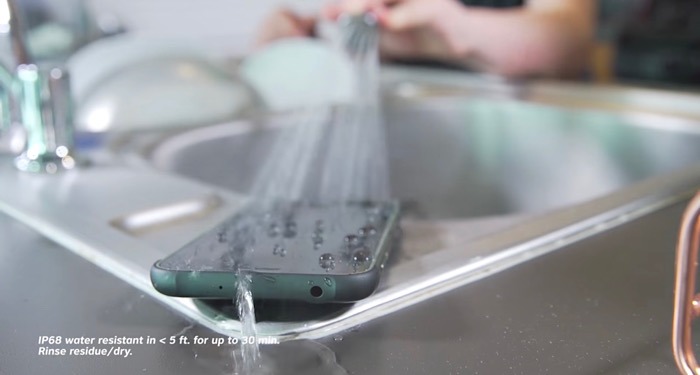
TV commercials and online and billboard ads from 2016 to 2018 depicted Samsung Galaxy phones used at pools and beaches and as the object of spills. Yet, the phones can suffer damage from pool water and seawater.
The ACCC barrister, Caryn Van Procter, told the court that Samsung admitted that if the Galaxy phones in question were used in pool water or seawater, there was “a material prospect of damage by corrosion to the charging port of the phone.”
The problems with the Galaxy phones occurred after they had been used in pool water or seawater. If users charged them with water still in the port, a warning would show and advise against charging.
It’s estimated that Samsung sold around 3 million of the seven Galaxy models during that 2-1/2 year period starting in 2016. That there is no way to know how many Galaxy buyers were influenced by the false advertising was mentioned in court. Likewise, there’s no way to know how many of those users who were influenced to buy a phone later had a problem because they used it in water then tried to charge it.
Samsung did go on to fix the issue both in the hardware and software.
Samsung’s Settlement
Samsung opposed the lawsuit until only recently when they agreed to a $14 million settlement. Justice Michael Murphy approved the settlement, noting that many consumers would have used their Galaxy phones in water, copying what was shown in the ads.
Murphy believes the $14 million will be a “real and sufficient sting” at 14 percent of the tech company’s profit in Australia since the ads first appeared. Murphy was also critical of Samsung opposing the case initially.
In addition to the $14 million, Samsung will also be required to pay $200,000 toward the ACCC’s costs within 30 days.
Gina Cass-Gottlieb, ACCC chairperson, said after the ruling, “Samsung Australia’s ads promoting its Galaxy phones featured people using their phones in pool water and seawater, despite the fact that this could ultimately result in significant damage to the phone.
“This penalty is a strong reminder to businesses that all product claims must be substantiated. The ACCC will continue to take enforcement action against businesses that mislead consumers with claims about the nature or benefits of their products,” added Cass-Gottlieb.
A Samsung spokesperson noted the company had done thorough testing of the phone in both pool and sea water but also welcomed the close of the water-resistant Galaxy case.
“Samsung endeavors to deliver the best possible experience to all its customers. Samsung regrets if any Galaxy users have experienced an issue with their device as a result of the matters covered by this case.”
Read on to learn about the design flaw in Galaxy phones that became a security risk.
Image credit: Unsplash