


It’s difficult for people younger than 40 to recognize a life when we used to have to get up and walk across the room to change the channel on the TV. Remote controls changed the way we all watch TV.
Samsung wants to change things up again. They are testing the first smart TV that is controlled by a person’s thoughts. Samsung’s brain-controlled TV is meant to help people with physical disabilities, but after that technology is released, what’s going to stop it from becoming the way everyone operates their television and maybe their devices as well?
Samsung’s Prototype
The Project Pontis research set a goal to make Samsung TVs more accessible for those with physical disabilities, such as quadriplegia. They intend to create something that will allow “users with physical limitations to change channels and adjust sound volume with their brains.”
The project was started in Switzerland three months ago and is partnered with the Center of Neuroprosthetics of the Ecole Polytechnique Fédérale de Lausanne (EPFL). They showed off their prototype software at the developer conference in San Francisco last week.
“How can we provide accessibility to people who cannot move or who have extreme limitations on their movements,” said a senior scientist at EPFL, Ricardo Chavarriaga, during the conference.
“We’re making tech that is more complex, that is more intelligent, but we should not forget this tech is being made to interface with humans,” added the scientist.
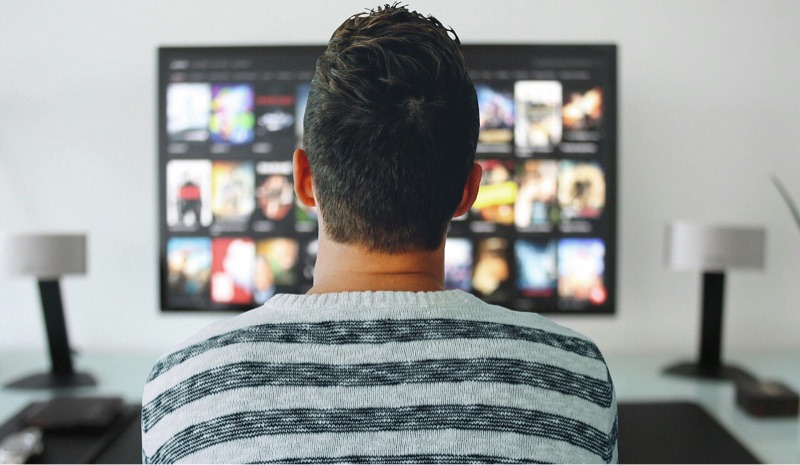
They developed this new software by first collecting a sample of how the brain behaves when someone wants to do something on a TV, such as make a movie selection. Indicators from both the environment and brain scans were combined to create a model that applies machine learning so that eye movements and brainwaves make the selection.
To collect the brainwaves with the current prototype, a headset covered with sixty-four sensors is worn while looking at an eye tracker. A computer mirrored to the TV is connected to the headset as well.
Eye tracking is used to determine when a movie or TV show has been selected. The software builds a list of videos the user would like based on their selections to provide better choices for them moving forward.
They are also working on software that will eliminate the eye movements and just use brain signals for people who aren’t capable of controlling their eye movements, according to Chavarriaga.
“One thing we have to take [into] account is everybody is different,” he remarked. Variations in brains dictate this software has to be tailored to individual people. “We believe we have to do the best for the person, so we have to personalize.”
More than Just TVs
Brain power is being considered for more than just powering televisions. Many neuroscientists have been researching how to make a digital interface for the brain. The thought is that it could someday replace touch screens and voice assistants. Currently, though, brain-computer interfaces are only being developed for people with physical disabilities.
Samsung’s prototype is also targeted towards those with disabilities, and Martin Kathriner, head of public affairs for Samsung Electronics Switzerland GmbH, believes they’re not at a point yet to be able to say if one day we’ll all be controlling our devices with our brains.
Most definitely, the prototype created by Samsung isn’t appealing to most, as they’d rather use remotes, touch screens, and voice assistants. Use of the sensor helmet requires a layer of gel slathered on the head.
“To us it’s an accessibility idea,” he told CNET. “If it’s applicable to us one day as pro couch potatoes, I have no idea.”
Currently the plan is for Samsung to continue working on the second prototype in the first few months of 2019. After that, they’ll start testing it in Swiss hospitals.
Furthermore
Certainly, it’s an intriguing idea, but just as certain, wearing a headset and slathering your head with gel isn’t an attractive idea. It would seem, though, that if they have come this far, that perhaps advances in technology will find a way to make this happen without such apparatus.
What are your thoughts on this idea? Do you think we’ll get there some day, the point where we control everything with our brains? Do you think Samsung’s brain-controlled TV is just the beginning? Add your thoughts on controlling devices with the human brain to the comments.