
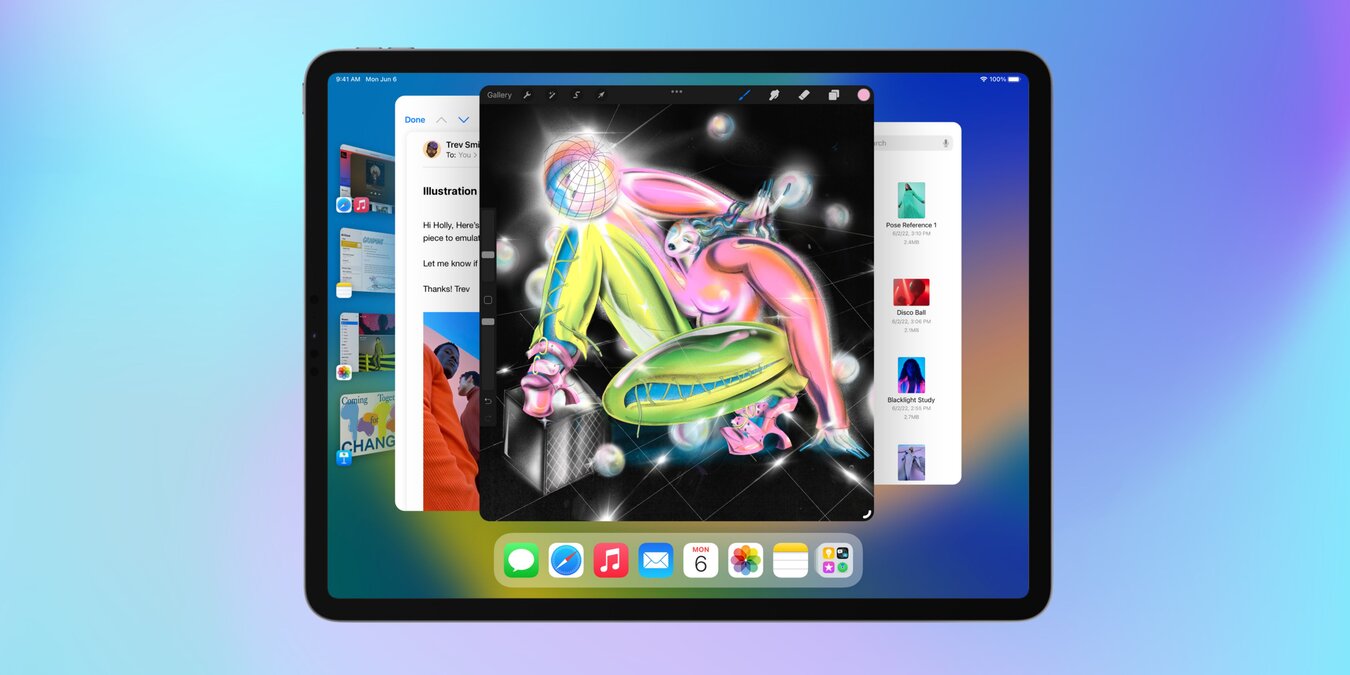

For more than a decade, there were a few things we could count on with Apple: there would be big hardware and operating system announcements at WWDC in June and new iPhones and software releases in September. The unverified rumor going around is that iPadOS 16 will not be ready in September and will be released one month later.
Also read: WWDC 2022 Brings New iPhone Lock Screen and M2 Chip
iPadOS 16 Release Delayed
I don’t even remember when I started for sure, but I know that since at least 2013, I have downloaded the public beta versions of iOS and macOS and later iPadOS in June or July before the September release. It gives me an early look at what I’ll be using and writing about and – I’ll admit – makes me giddy like a schoolchild.
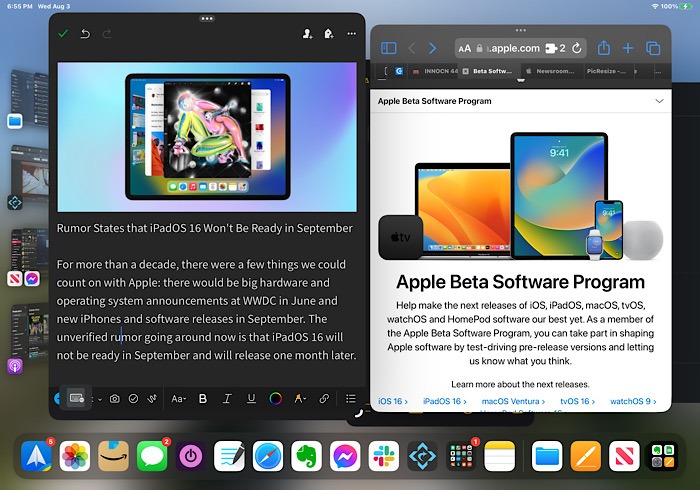
When I saw the Stage Manager feature of iPadOS 16 during the WWDC, I was really, really excited. It would help me out so much with writing, editing, and research. I do everything on my 2021 iPad Pro and haven’t used a computer regularly since 2011 or at all in about four years.
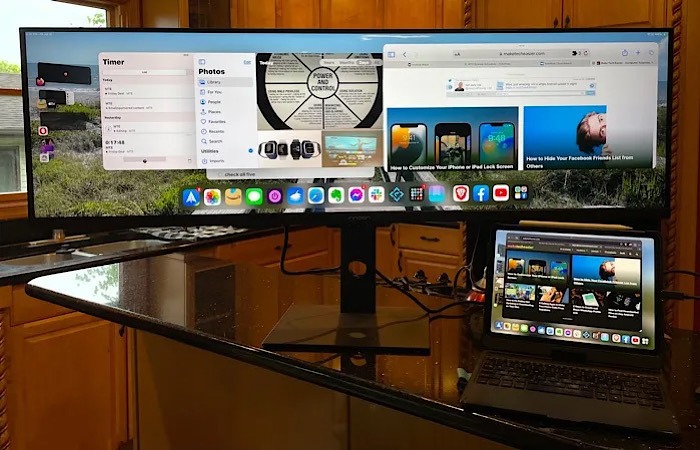
I waited around a month this time to get my hands on the iPadOS 16 and iOS 16 public betas, and as I said in this review of the INNOCN 44″ Ultrawide Monitor, Stage Manager is a game-changer. Have there been a few sticky points? Sure, but that’s why it’s still in beta.
Yet, according to the rumor, it appears that it’s the Stage Manager capabilities that are delaying the release of iPadOS 16 in September. It’s expected to be delayed by about a month. Some developers have been lodging complaints about the functioning of Stage Manager in iPadOS 16, and some users are upset about the glitches here and there.
But isn’t that what betas are for? To work through all those glitches? Sure, there are a few, but even in beta with a few glitches, I’ll say it again for emphasis, Stage Manager is a game-changer in itself, and because it works so well with external monitors, it’s a job-changer.
But I do recognize the developer bugs. Some have been complaining on social media that they weren’t given an advance look at Stage Manager before the developer beta was released. It’s true that some apps are more buggy than others in Stage Manager. I had to leave Firefox behind for a few weeks, as it kept closing out on me, but it came around.
How Will a Delayed Release Affect Things?
I should point out that iOS 16 is still expected to be released on schedule. That will be good news to many. It has some glitches as well, but again, it’s still in beta.
Apple Pay and Family Sharing have both changed, and there’s a glitch somewhere that isn’t allowing one of my family members to add his own card. Tech support suggested I delete my card from the payment system and reenter it. That’s not something I’m willing to do, as instead of having one person not be able to add their own card, it could knock out the payment for all of us.
Assumably, those bugs will be worked out, and iOS 16 will still be released in September, most likely along with the iPhone 14 lineup. For that matter, new iPad Pros are expected to be released as well with the new M2 chip.
At worst, you’ll wait an extra month. At best, you’ll have a much more stable OS after your wait. But perhaps, the extra month isn’t for Apple but for third-party app developers to get their apps up to the iPadOS 16 challenge.
If the iPadOS 16 rumor leaves you not wanting to wait another month to try it, sign up for Apple’s public betas. They’re available for iOS 16, iPadOS 16, macOS Ventura, tvOS 16, watchOS 9, and HomePod Software 16.
Read on if you would like to learn more about Stage Manager.
Image credit: Apple All other images by Laura Tucker.