
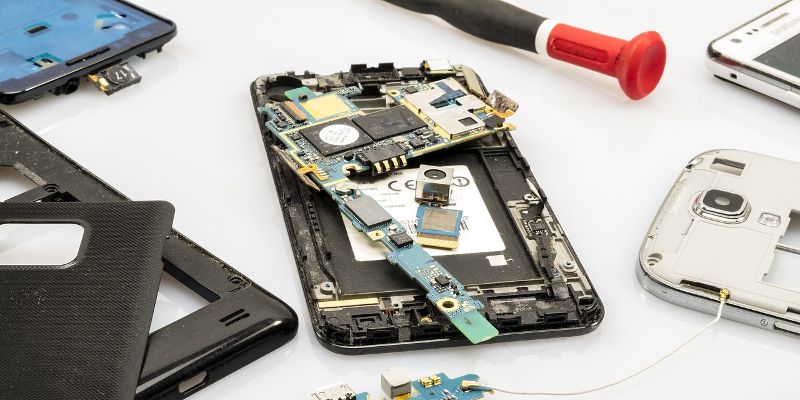

A new trend is arriving, chiefly in the United States, where device manufacturers will have to comply with certain regulations in order to make it easier for their customers to get repairs for the things they own. This package of legislation, which was enacted in California on March 8, 2018, has several implications for customers but also for the market as a whole, all of which warrants a significant amount of discussion regarding all these effects.
What Is Right to Repair?
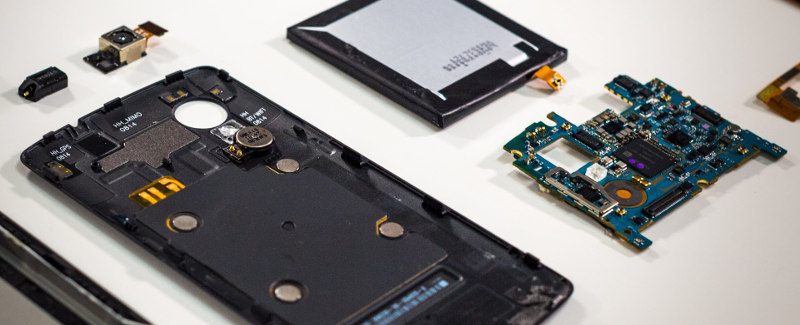
Technically, if a state in the U.S. enacts “Right to Repair” legislation, it establishes a framework by which device manufacturers will be obligated to provide an easy way to acquire the official hardware they use to manufacture their devices.
Right now, for example, you usually have two choices. You can take your device to a service center approved by the manufacturer, wait several days for the problem to be fixed, and pony up a large sum of money if the device is not under warranty. Your other choice is to take it to an unofficial service center that doesn’t necessarily have access to official replacement parts but can “wing it” in such a way that your device works by the end of the day, and you end up paying significantly less for the repair.
California’s Right to Repair legislation provides one more obligation for device manufacturers like Apple: they must provide guidance for customers to be able to repair their own devices if they want to.
This takes things a bit further and allows people to make their own home repairs without having to take the device in for service at all, opening up the possibility for them to buy official replacement parts and save on the labor costs involved by not taking their stuff to service centers. It’s effectively a third option that cuts out all the middlemen and offers a significant degree of freedom to users who own their devices.
Mom and Pop Freedom
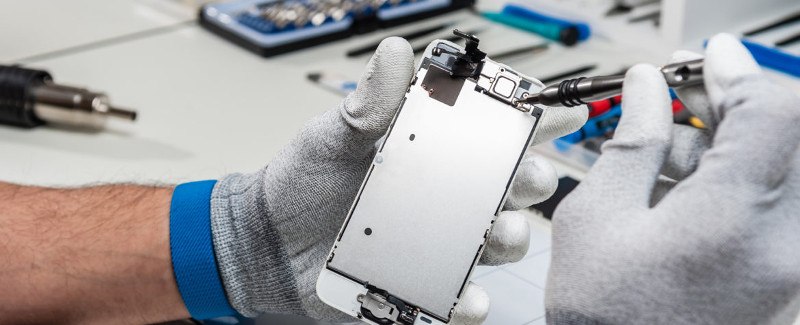
“Right to Repair” legislation eliminates the exclusivity that some manufacturers have enforced over the years, making their customers effectively reliant on them to repair the devices that they (presumably) own.
This would allow smaller repair centers to have the access they need to help their customers more efficiently, lowering the prices of repairs for warranty-less devices overall.
We can expect to see more small “Mom & Pop” service centers pop up, offering repairs that compete with original manufacturers with a lower price point.
In addition to all of this, we get the largest thing to complete the trifecta: more adventurous people can just tinker with their devices at home, finding new ways to solve problems.
All of this translates into a dynamic that might actually be innovative at some point. As more average Joes learn how their devices work, they might find new ways to solve problems that have been plaguing manufacturers for years. This is the kind of thing that happened in the golden era of the desktop PC, when OEMs began implementing innovations worked out by hobbyists in their own homes.
Do you think there are any caveats or possible negative effects to Right to Repair legislation? Let us know what you think in a comment!