


2017 has been a very eventful year for the tech industry, with its steady stream of new gadgets and major game-changing events in major corporations that have swung the pendulum in one particular direction for better or worse. We’ve been witness to a mixture of terrifying and awe-inspiring news that could continue to drive on into the next year. Now, it’s time to refresh our memories and look back at everything that’s made a mark on the year.
Many Major Security Breaches
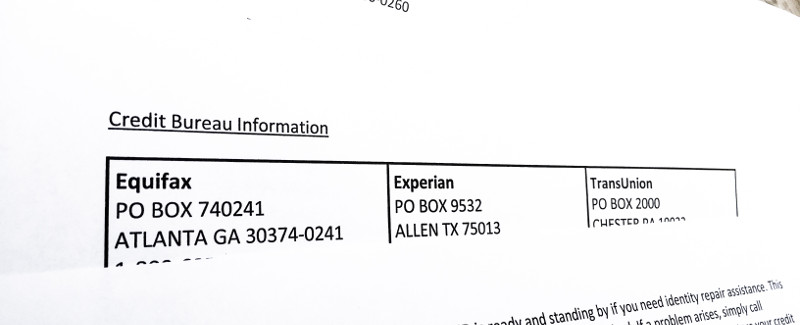
Although 2017 hasn’t brought with it as many breaches as 2016 has (1050 for the former, 1985 for the latter), the sheer size of this year’s breaches boggles the mind. In September we discovered that Equifax, a massive credit reporting agency, lost the records of just over a third of the United States’ population, potentially exposing all of their personally identifiable information.
Not even two months later, Uber admitted to attempting to cover up a data breach that happened way back in 2016 that affected 57 million users of the platform.
Earlier in the year – in March – a major spam email company named River City Media accidentally leaked the information of 1.34 billion email accounts.
Another two months passed, and there was the WannaCry ransomware that ran amok through hundreds of thousands of systems across 150 countries, affecting institutions such as the National Health Service in the UK. The software encrypted its victims’ files and would only unlock their systems after a ransom was paid in Bitcoin.
In short, it’s been a very great year for hackers and a messy one for anyone with their information up on the Web.
Amazon Keeps Swallowing Everything

Amazon has been around for some years already, but this year was probably its best. It’s not only had its best Prime Day, Cyber Monday, and holiday season in its history but also acquired Whole Foods in June to expand its grocery business.
There was also the release of Alexa, the home assistant AI that comes installed in its Echo devices. Although there have been concerns about the device listening in on people’s conversations inside of their own homes, the convenience that it presented has convinced 35.6 million people to purchase it.
Cryptocurrencies Are Running Wild
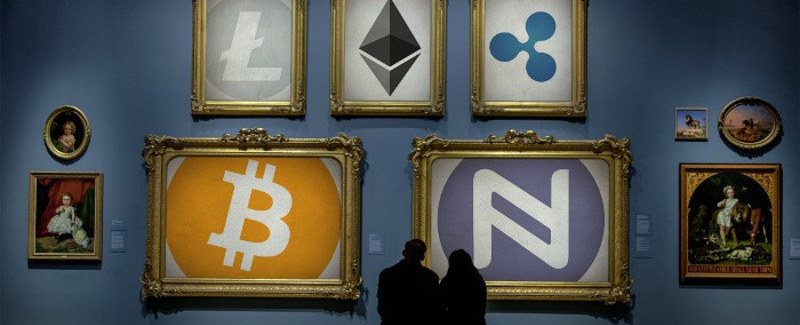
The world of alternative currencies has expanded a lot since Bitcoin first saw the light of day in 2009. Although not a favorite of banks, the cryptocurrency world has gone through some massive changes that gave it a total market capitalization at one point in the year of $630 billion. As the year came to a close, Bitcoin has experienced a roller coaster ride in which it hit $20,000 in value and then suddenly experienced a price correction, finishing the year trading at just under $15,000.
Some of this growth could be attributed to the online hype surrounding cryptocurrencies, but citizens of countries like Venezuela see them as a way to survive the calamity and volatility of their own local currencies. There’s been some government backlash, including an outright ban in Vietnam with penalties of up to $8,800.
Their impact on the world economy is already visible, with Bitcoin’s market capitalization alone surpassing the entire gross domestic product of many countries around the world. If the market crashes, it certainly won’t be a pretty event.
Apple Gets Busted
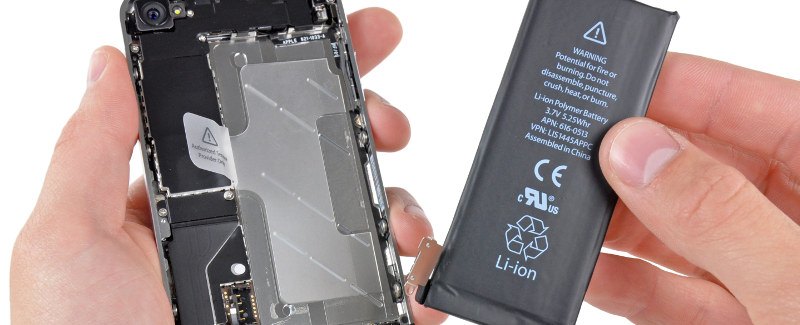
As the iPhone hits its 10th anniversary, it was hit with a scandal once the developers at Geekbench revealed that older phones were being intentionally slowed down over time.
The reason? Battery age.
As a lithium-ion batteries age, they develop an uneven collection of nanocrystals on their electrodes, reducing the capacity of the battery significantly. You’ll notice this if you ever kept a smartphone for more than 4 years. Battery life seems to drop like a stone in freefall at some point.
Geekbench published a blog confirming that iPhones tone down their performance to counteract this issue, attempting to ensure a normal battery life for the phone regardless of what its owner desires.
When users would get new batteries, their Geekbench score shot right back up to the level it was at when they first purchased their phones. Although Apple may have had good intentions here, this may have frustrated many people that didn’t understand why their phones were performing sluggishly even though they aren’t very much past their prime.
Which of these stories do you consider to have affected you the most? Tell us all about it in a comment!