


In this unprecedented time with a worldwide health crisis, there are multiple communities of children who are learning remotely, as it’s just too dangerous to attend school physically. This has left the tech world dealing with a US laptop shortage, meaning kids are the ones coming up short.
What Caused the US Laptop Shortage?
There was much indecision leading all the way up through the first few weeks of August whether schools in the United States would open. While earlier on in the pandemic it was thought that kids were more or less immune to the virus, it’s now known that that isn’t true. This led to many school systems eventually deciding to stay closed for the time being.
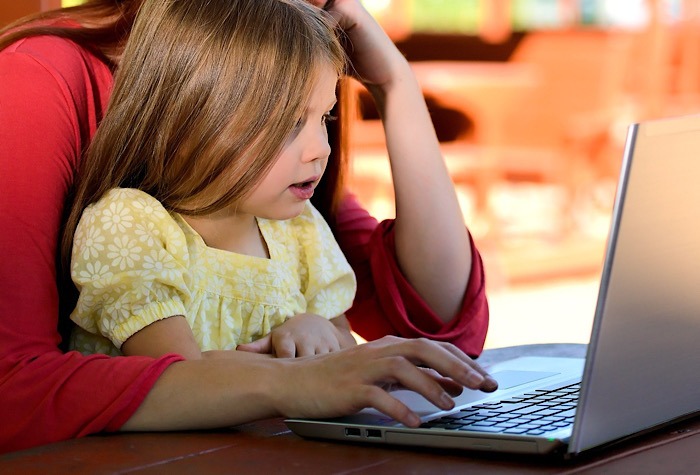
But children still have to learn, so they are being asked to do remote learning from home. If the family’s computer is tied up with mom and dad working from home, then the kids need their own laptop. And in families with more than one child, if they are learning at the same time, they may each need their own laptop.
This isn’t the only factor leading into the US laptop shortage. There is also a longer stock cycle taking place because port inspections are slowed. The United States Postal Service is getting dragged through politics, and it’s leading to slowdowns, with some believing this is intentional. Factory production in China is nearing normal rates, but the supply chain has been weakened. International relations has caused a trade war between the U.S. and China as well, which isn’t helping the situation any.
Dell, HP, and Lenovo have said that collectively, there is a shortage of 5 million laptops. This shortage means suppliers need to decide who needs them more.
Dealing with the US Laptop Shortage
The superintendent of the Morongo Unified School District, Tom Baumgarten, ordered 5,000 Lenovo Chromebooks. Yet, he was told they were banned because of a component that was included. They are more victims of the trade war.
Baumgarten then switched to ordering HP laptops and was initially told he’d receive them by August 26. However, now the soonest they will arrive is October. Chinese manufacturers are prioritizing their shipments. They have placed the needs of corporate and government orders above education.

Because of human rights violations in China, the US Commerce Department has imposed restrictions on who companies can deal with in China. Some companies are banned because they are viewed as being “complicit in human rights violations and abuses.”
This leaves kids in the US in dire need. If they don’t already have a computer to use, or if their school system is trying to provide its student body with all the same type of computer to make the remote learning efforts easier. They may be out of luck for some time.
Families and school systems will need to depend on outlets such as eBay and can also repurpose older machines. If you have an old laptop or two lying around, you may want to contact your local school district to see if there are any children in need. Likewise, if you have been thinking of buying a new computer, consider holding tight for a while during the US laptop shortage. There may be a child that needs it more.
If you’re shopping for a laptop for your child, you can try your luck with five of the best Linux laptops in 2020 or the best gaming laptops under $500 in 2020.