
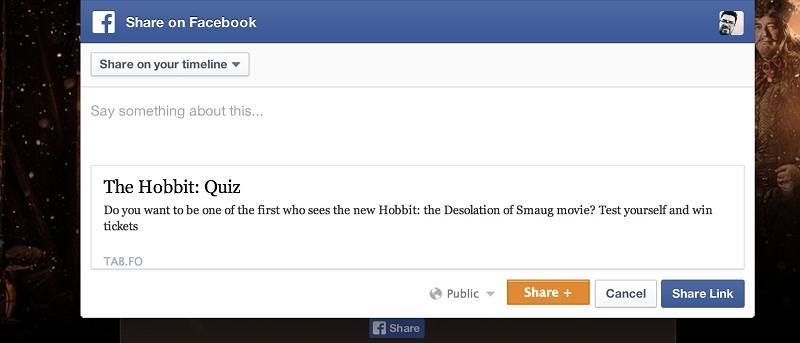

The online quiz culture is here! There are tons of different personality, culture, and logic/science quizzes with simple answers available on all corners of the Web, and they’re growing in popularity due to the gratification they deliver. I’m mostly talking about the “tests” that many people take to discover a modicum of information about themselves that may or may not be accurate, sharing the results on major social media sites which, in turn, draws others to take these same tests. While they all generally look the same, some of them might appear as applications that require certain permissions on Facebook for you to proceed. This presents significant privacy concerns, and it’s about time I explain what they are and how one could be more prudent to prevent allowing their information to be sold.
How Quizzes Can Threaten Privacy
To begin to understand how privacy can be an issue with online quizzes, you first have to know what they do to get your information. Since Facebook quizzes are the biggest culprit, I will be using the social network as a frame of reference.
First of all, no private information belonging to you can escape the Facebook ecosystem into an application without your permission. Your address, your phone number, and other details about you that you choose to make private will not be accessible to outside entities unless you allow it Since quizzes that come in the form of Facebook apps use the Facebook API to interact with you, they have to deal with this restraint. Something like the following will show up when the quiz asks for your permission to access information.
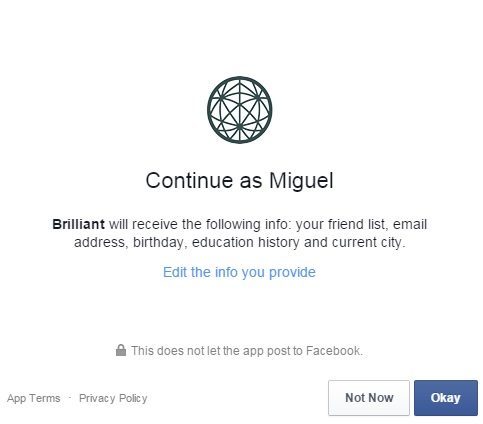
Of course, most people’s first instinct is to click “Okay” and skip the boring process of reviewing everything in the dialog. This could lead to serious consequences where information such as your address and phone number are immediately relayed to a third party you don’t know if you can trust.
The consequences are an increased likelihood of junk mail, sales calls, and lots of spam. Some untrustworthy entities create these quizzes to lure people in to giving away their info, relying on their need for instant gratification overpowering their desire to stop and review what information they are providing. They then sell this information to third party spammers. A couple thousand of these emails can cost $50. Consider what these entities earn when they have 100 million emails to sell.
How to Protect Yourself
Remember the screenshot above? There’s a link labeles “Edit the info you provide.” There you’ll find a repository of everything the application wants from you, giving you the possibility of opting out.
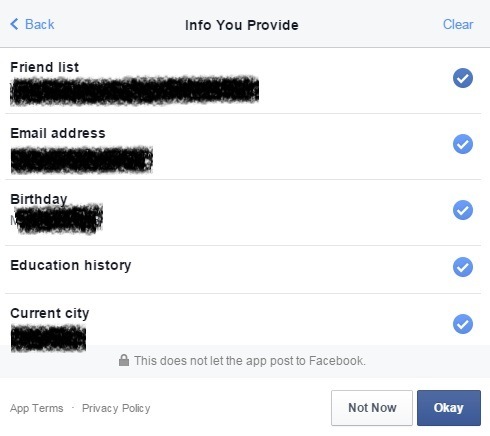
Above, you see the information that the “Brilliant” app asked me to provide. Most of it is innocuous, but I’d rather it not know who my friends are and what my email is. The top two check marks should be cleared. After that, I am perfectly fine with giving away my birthday, educational history (which I leave blank intentionally anyway), and my current city. If you’re not OK with giving anything away, you can clear all of the check marks in this list. Just make sure you review this at all times!
Have any other ideas on how you can prevent information from leaking out of Facebook into third party sites? Let’s have a conversation about federated Web services in the comments!