
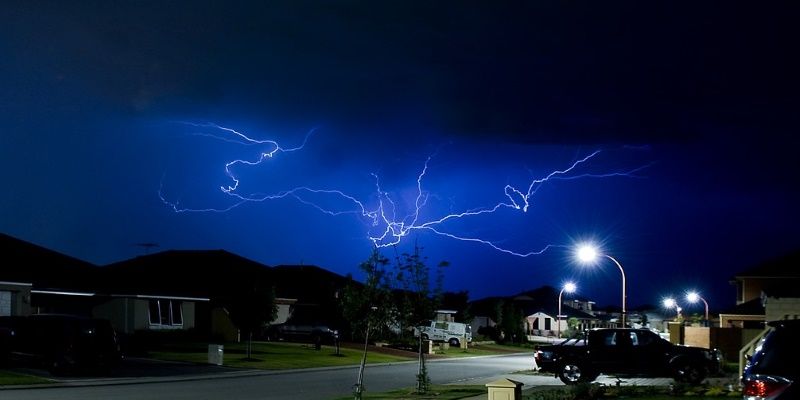

If you’ve ever had a power outage happen while using the PC, you may know of the horrors and frustrations of losing all your progress. While you’re booting the PC back up, did you think what kind of damage a power outage could do to a PC? What about the “opposite” of a power outage, the dreaded power surge? Are these harmful for your PC?
To answer these questions, let’s take a look at what happens during both, how it affects your hardware, and how to avoid damage.
Power Outages

When a PC’s constant power is interrupted, its components lose the power to continue running. This usually occurs when there’s a problem at a power station or within the network in the home, like a tripped fuse. This causes the entire computer to be shut off, regardless of where it was in its processes. The actual act of a shutdown is mostly harmless – after all, we do it to PCs on a daily basis! That’s not to say it’s not entirely free of risks, however.
The most likely issue caused with a power outage is data corruption. If a power outage occurs just as you’re saving changes to a file, it will be permanently stuck in mid-save. This may corrupt some of the data in the file or make it unopenable. This isn’t too bad when you’re editing a shopping list, but if you’re doing work on an important work document or saving changes to an important system file, this can cause a loss of work or even render the operating system unusable until it’s fixed.
How to Beat Them
If you’re constantly suffering from power outages, one of the more useful things to do is to switch to a laptop instead of a PC. When a power outage occurs, you won’t have to worry about lost data, as the laptop will simply switch to battery power. This makes laptops the ideal choice when living in a neighbourhood with spotty power.
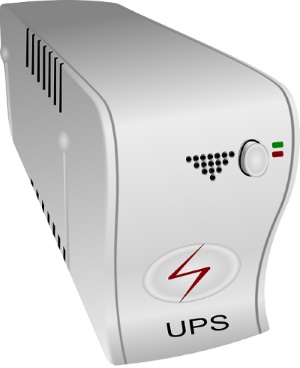
If a PC is needed for what you’re doing, you can try an Uninterruptible Power Supply (UPC) instead. These are like backup batteries for your PC so that you still have power after the cut occurs. The batteries aren’t designed to keep your PC going for too long, but they give you enough time to tell the PC to shut down so you can save your work from being corrupted.
Also read: How Important Are Surge Protectors for PCs?
Power Surge
While a power outage doesn’t do too much damage outside of potentially corrupting data, a power surge is a lot more deadly. These usually come on the tail end of a power outage or are caused by something like a thunderbolt hitting the electrics.
Every electrical item in your home has a specific threshold of how much power they can take. If it’s plugged into a socket and the socket is turned on when a power surge strikes, the device is deluged with an electrical charge higher than it can withstand.
If it’s a small power surge, these might cause a little excess heat or electric arcs which slowly degrade the components within the device over time. If it’s a large one, the power surge will be so strong that it will outright fry any component it touches.
With your PC, the first component a surge will hit is the place where electricity enters your system; your power supply. If the power surge is small enough, or the power supply is made of premium components, the surge may damage or destroy only the power supply. If it’s not, the surge may continue through the power supply into the main computer, where the real problems begin.
Computer components aren’t the best at weathering voltages outside of their range, so a strong power surge through them will likely fry those components. It’s not unheard of for motherboards, processors, and graphics cards to be rendered totally useless after a power surge. This is why power surge protection is so important for expensive computers; one large surge can kill a PC instantly!
How to Beat Them
If there’s a thunderstorm occurring over your house, and you’re nervous about your power cables being struck, turn off all electronics and unplug them as soon as you can. Power surges can’t touch things that are unplugged!
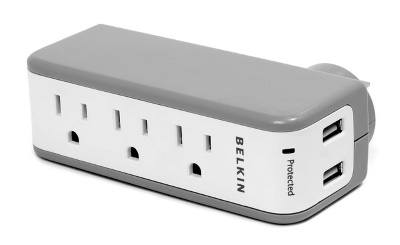
Also, if you can, try to look into getting a surge protector. These weather the effects of power surges so your components don’t have to and usually come quite cheap (or at least cheaper than a new PC!)
Surges and Outages
Power outages and surges can both damage a computer in different ways and severities. Now you know how each one happens, how they can damage a PC, and how to avoid them.
Have you ever had damage occur from a power outage or surge? Tell us your stories below.