

If you’re not the handy type or perhaps just don’t want to put the effort into putting in a wired security doorbell, such as a Ring, you may opt for a wireless doorbell, saving yourself the hassle. However, you could end up with more hassles than you ever dreamed, as 11 popular wireless doorbells failed basic cybersecurity tests, according to researchers.
Cybersecurity Research
These 11 wireless doorbells that failed the cybersecurity tests were all available on common online shopping sites, such as Amazon and eBay, and all in use in residential areas of the United Kingdom. They were lower-priced than the leading brands yet had good reviews, so of course they were very attractive to buyers.
But buyers oftentimes aren’t considering the security risks of tech products. It can’t be said enough, though, that every time you use a device that connects to the Internet, your security as well as that of your network is at risk. And if you’re not setting your own password, sometimes it’s because the device has a built-in password, and manufacturers aren’t always concerned about using super-secure passwords. But if the device offers encryption, it renders the data unreadable to anyone who chances upon it.
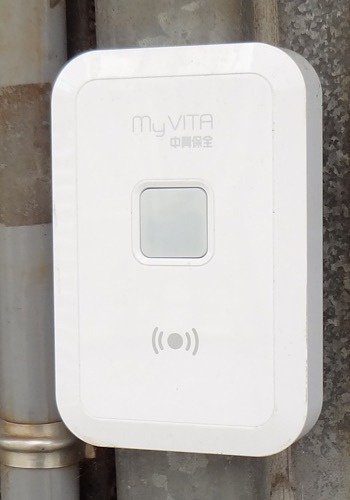
NCC Group and Which? conducted the research, identifying many significant cybersecurity weaknesses in every one of the 11 wireless doorbells that were analyzed. The researchers found that some of the doorbells didn’t protect users from data breaches that would allow hackers to access their personal wireless networks. The breaches also allowed hackers to access information about locations, stored video and audio – all without the protection of encryption.
Wireless Doorbells that Failed the Testing
Technology company Victure sells wireless doorbells under the name Victure VD300 that broke cybersecurity standards. The VD300 relayed unencrypted details about the user’s wireless networks and passwords to servers in China, where Victure headquarters is located.
A smart doorbell sold by Ctronics could potentially give up access to a user’s other devices, including thermostats, cameras, smart speakers, and possibly even laptops. Victure’s smart doorbell had the same vulnerabilities.
An unnamed wireless doorbell model allowed third parties to put the doorbell in “offline” mode. This would allow hackers to turn the recording functions off, putting the home at risk, making the user think they were protected when they weren’t. It was referred to as a Ring knockoff on eBay. The shopping platform later removed the knockoff.

“When a product is listed that violates our safety standards, we remove the listing straight away. These listings do not violate our safety standards but represent technical product issues that should be addressed with the seller or manufacturer,” an eBay spokesperson told Newsweek.
“We have and will continue to facilitate discussions between Which? and the sellers so the concerns can be addressed.”
eBay is on board, at least, and that’s helpful. But that doesn’t mean users of wireless doorbells can be any less diligent when it comes to cybersecurity. There are still other potential hazards with doorbells. Even Ring Doorbells Gen 2 were recalled because of a fire hazard.
Image Credit: Solomon203 via Wikimedia Commons and public domain