

There are so many possible uses for drones. A high-tech toy is just one of them. They can be used for deliveries and can also be used for surveillance. One city in Mexico has instituted the use of a police drone and have found that it has reduced crime in their city by ten percent.
Ensenada, Mexico
The city of Ensenada, Mexico. is using just one single quadcopter in their police work. It has reduced crime in their city by around ten percent. Burglaries have dropped in frequency even more. There’s been a thirty-percent drop.
Just south of the United States/Mexico border, this town has been using the DJ’s Inspired 1 quadcopter for only four months. And in that very short time, there has already been five-hundred arrests that the copter aided them in.

It’s often being used when someone places an emergency call and goes out about twenty-five times a day in total. Equipped with a camera, every officer has the authorization to view its camera feed, whether they’re working in the police station or are out in the field.
The Effectiveness of Police Drones
The California firm of Cape has provided the software for the drone. Controlled by a remote, it often gets to a crime scene before the officers traveling by car. With the camera function, it allows the officers the chance to check the surroundings before they get there and maybe even follow a suspect so that they can’t escape.
Ensenada is about half a million people in size, and Chris Rittler, Cape’s CEO, says they would only need around a dozen quadcopters to cover the entire city. They can monitor better than a fixed security camera and are more cost-effective than cameras on a helicopter.
Police drones are in use in other areas of the world as well. Devon and Cornwall Police and Dorset Police, worked together last year to launch a drone unit to help them with missing person searches, getting images of crime scenes and traffic accidents, and searches to control wildlife crime. They use the same drone as Ensenada. Police in France use drones to catch speeders.
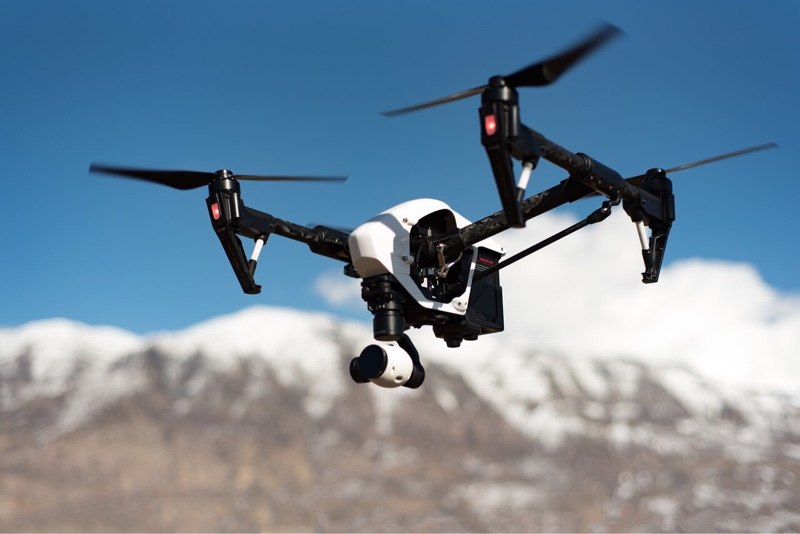
Recently a drone helped rescuers in Hawaii save a person from a situation with lava flow on the move. And in the U.K. one was used to help locate the victim of a car crash who’d left his vehicle.
The Future of the Technology
The drone company has teamed up with the law enforcement company Axon to provide the drones to law enforcement agencies around the world. Axon will promote DJI’s Phantom 4 Pro and Matrice 210 drones to help with crime the same way the drone has been used in Ensenada and in these other areas throughout the world.
At a future point in time Amazon has discussed using mini drones that would follow officers and help them with their other police work.
It’s definitely great to see technology being so beneficial. Would you welcome the police drone technology in the city where you live? Would you be comfortable seeing drones in the air, knowing they’re out on police work? Let us know what you think in the comments.