

While it’s helpful to have our phones with us at all times recording every moment in our lives, we have to keep in mind that they’re always there … watching … listening. Depending on your perspective, that can be good or bad. An Alabama man forgot he was being observed. The sleep data on his smartphone helped convict him of manslaughter in his wife’s death. He said he was sleeping, but his phone showed otherwise.
Phone Data Tattles on Husband
Jeff West told the authorities he’d gone to sleep around 10:30 the night his wife died on January 12, 2018. Kat West died of a blow to the head from a Lucid Absinthe bottle, the jury decided.
The judge in the case told Jeff West in sentencing him to 16 years in prison, “I do believe with the jury that it is your reckless acts that caused her death.”
Kat West’s body was found outside her home about 5 AM the next day by a teenaged neighbor. She wasn’t fully clothed, and a bottle was found nearby with her smartphone lying on top.
Jeff West is a trained crime scene investigator. It’s believed that he staged the bottle to be on top of the phone. His wife had been known to be a drinker and ran an adult website. Evidence showed she was moved outside to the gutter. Investigators believed it was his distaste of his wife’s drinking and her social media use that led him to kill her.
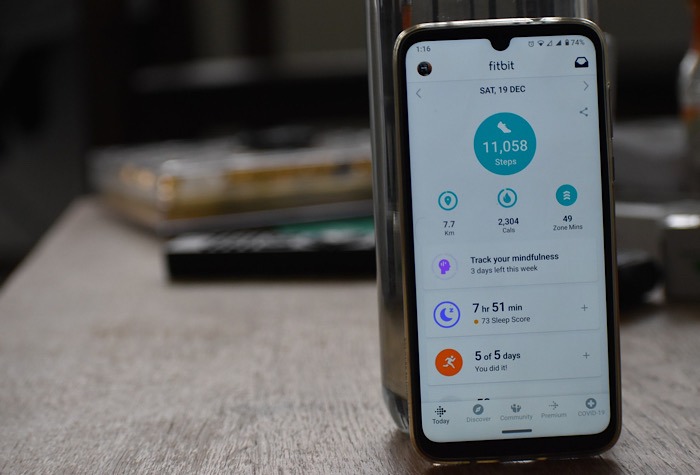
The health app on Kat West’s phone showed the phone was last moved at 12:45 AM when it recorded 87 steps. The home’s alarm system shows the front door was opened at 10:53 PM. It opened again at 1:31 AM and stayed open until 5:12 AM when it was closed.
Jeff West had said he fell asleep around 10:30 PM and woke up around 5:15 AM by barking dogs and police vehicles outside his home.
But it was his health app that showed the true picture. It showed he took 18 steps from 11:03 PM util 11:10 PM.
Other Times Health Data Sovled the Case
The health data on Jeff and Kat West’s phones weren’t the first time that health data was used in criminal cases.
Apple Watch data on a woman’s phone showed a different story than what the suspect in the case was telling in one case. Fitbit data was used to show what happened in another wife’s death. Apple health app data helped in a German murder case.
GPS data is also being used to solve crimes. The phone isn’t going to say you were somewhere you weren’t,unless it was there without you. Two young siblings who disappeared were found buried in the yard of the man who later married their mother. Pings on his brother’s phone tipped them off.
Jeff West was smart enough to stage the crime scene, but he wasn’t as smart as his phone. It brings up a question of whether we will see this type of thing more often. Heath data is only getting smarter.
Read on to discover how Fitbit data helped convict a 90-year-old man of murder.