

Password use is getting so out of control that the big four U.S. cell phone service providers — AT&T, Verizon, T-Mobile, and Sprint — are working on a way to limit it. It’s such a problem to them that they’re not working on this independently and are actually working together to develop a new system to limit app passwords. Called “Project Verify,” the system could be rolling out very soon.
The Current Password System
It’s easy to see how it all got out of control. When the Internet first really took off, that was how we kept our accounts safe, with passwords. But having a couple passwords like we did back then is much different than having a password for every software, websites and app that we used today.
But the software, websites, and apps just wanted to help you keep your accounts safe. Before long there were so many apps that it became a danger to use the same password on every site.
It was suggested that we create a unique password each time to keep our devices and data safe, but that clearly got out of control too quickly, leading to the creation of password manager services/apps that would remember all your unique passwords.
But the big four cell phone service providers don’t like this. They don’t want you to have to have a different password for everything you do on your device.
Project Verify
AT&T, Verizon, T-Mobile, and Sprint are working together on “Project Verify,” a new way to manage passwords that they hope will make it easier to work with the password situation while still retaining that security.
The cell phone service companies aren’t quite ready to unveil this new project yet, but there are some details that have been released. Instead of authenticating with the use of a password, the idea is to use other details that are unique to you that the phone carrier already has, such as your phone number, IP address, SIM details, etc.
Digital Trends reports that a marketing video shows that Project Verify will be an app that allows users to manage their own passwords from their phone. This could mean trouble for password manager apps such as LastPass and 1Password.
It’s also thought that Project Verify could be the second factor in two-factor authentication, and this would make it safer than using a verification code that is messaged or emailed to you.
There hasn’t been a specific date mentioned for the Project Verify app launch, but it was suggested that it could be soon.
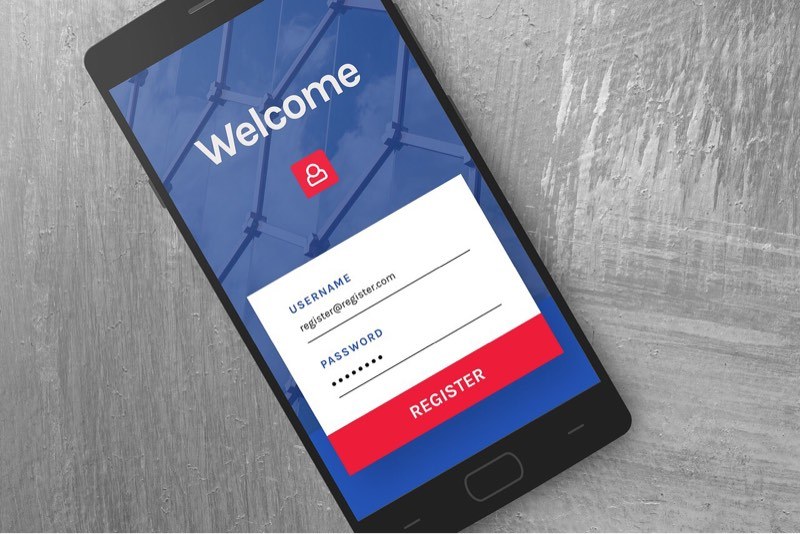
Still Some Questions
The premise of Project Verify sounds great, but there are still some questions regarding how it will work.
While these factors they are going to use to authenticate you are indeed unique to you, some aren’t things other people don’t know or can’t find out. Using your phone number would be silly. You may as well be using “password123.” But maybe in whatever way it’s being used, it won’t matter if it’s something someone else could figure out.
Additionally, there are going to be users who don’t want to put their trust in carriers to keep them safe. Assumably, they should have been doing that all along. People in general lodge complaints about their cell phone company, so they might prefer to stick with a password manager. How will the providers get around that to gain everyone’s trust?
But the biggest question is what would happen to your account when you sign on to a computer that the cell phone provider has no connection to. What if you have a service that you use on both your computer and your smartphone, such as Dropbox? You won’t need a password for it on your phone, but you would still need one on your computer. So that makes it seem like it would just complicate everything
What do you think of the proposed Project Verify app from the U.S. cell phone service providers? Do you trust them to keep your accounts safe? Will this make you feel safer? Or would you prefer to stick with a password manager or with whatever system you currently use to remember/manage your passwords? Add your thoughts in the comment section at the bottom of the page.