


Scammers are getting craftier and craftier in their attempt to force you into giving up either some of your money or your information. The latest scam is sending out packages that look like Microsoft Office USB Drives. Were you fooled by one of these fakes?
Also read: Emotet Malware Sending Emails Disguised as IRS
Microsoft Office USB Drives Scam
You receive a package and know you didn’t order anything from Amazon in the past few days. You go out and retrieve it, open it, and it contains a Microsoft USB drive and a product key. What are you thinking? Your first thought is probably not that it’s a scam. You’re probably wondering why Microsoft sent you this and are opening it to look for more information.
But when you plug this fake Microsoft USB drive into your computer, the malware that it contains asks you to call a support line and give them access to your PC. But, of course, it’s not a real support line and is just a creative scam.

Microsoft has confirmed that they have seen a pattern of counterfeit products that were used to scam their users. The spokesperson for the company also wanted users to know that this is atypical at Microsoft.
The company wants to ensure users know that they don’t send such things through snail mail that weren’t requested and that users aren’t aware of. So if you receive such a package, don’t let your curiosity get the best of you! If you think there’s a possibility that it may be real, contact Microsoft. It’s your best option at this point.
Following the Malware Trend
The fraudulent Microsoft Office USB Drives aren’t even surprising. Reading this news, you probably didn’t clap your hand over your mouth that was open in shock. Instead, you were probably thinking, “What next?”
I say it often in this space: it’s a continual back-and-forth game. As we get smarter about what to look for, the scammers get smarter with the ways they’re trying to dupe us. There’s even a fakes Windows 11 Installer that’s loaded with malware.
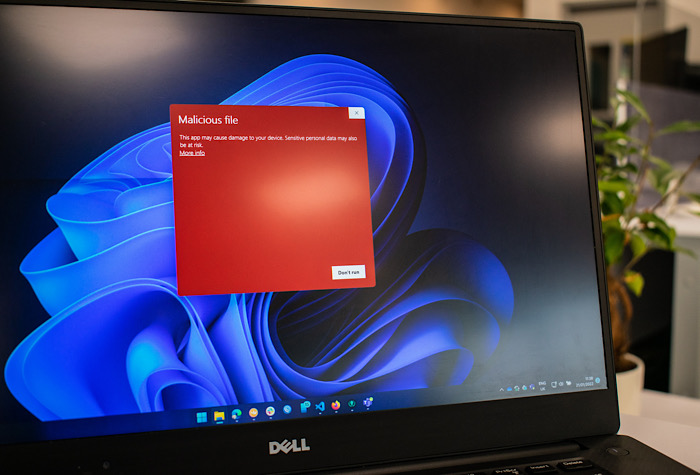
There is obviously big money in it for the scammers, as they seem to put a lot of effort into finding new ways to get the best of us. And, of course, they’ll succeed. There will always be someone who doesn’t stop to think, “I wonder why Microsoft is sending me a USB drive and product key that I didn’t ask for.” In fact, there are probably many, and that’s what makes the scams worthwhile for cyber criminals. That’s why it’s big business.
This is also why we report many of the cases of new malware here at Make Tech Easier. The more people that read this news, the fewer people that will be duped by the unrequested Microsoft Office USB drives that appear in their mailbox, and the less personal information will be released somewhere on the Internet.
Remember, if it seems too good to be true, it probably is.
Could Antimalware Service Executable help you? Read our guide to learn more about it, how it could help, and whether it’s safe to delete.
Image credit: Unsplash