

Remember when you only had a few premium streaming services to choose from? Now that we have numerous options, it’s hard to find the best combo, but I’ve discovered that these three services give me everything I need, while still saving me money.
[mte_toc]The Three Main Premium Streaming Services You Need
- Disney+/Hulu/Max bundle – $16.99/month with ads or $29.99/month without ads (my preference)
- YouTube Premium – $13.99/month
- Spotify – $11.99/month
For less than $60 a month (or $43/month with ads), you get thousands of shows and movies, millions of ad-free YouTube videos, and millions of songs. Currently, the Disney+/Hulu/Max bundle is one of the best streaming deals in terms of just how much content and variety you get.
Why the Disney+ Bundle Over Other Services?
After trying multiple services, I found myself watching Disney, Hulu, and Max more than other premium streaming services. When you buy the bundle, you save nearly 40 percent over getting each separately.
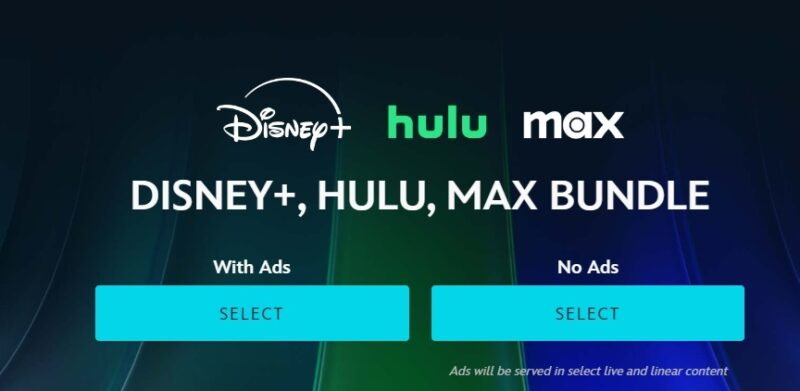
Now, I will admit, if you’re a huge sports fan, you may prefer the bundle with ESPN versus Max. But you can watch some live sports on Max.
What makes me stick with these three bundled together are:
- More content variety than other services
- Max includes Discovery+ shows and TCM
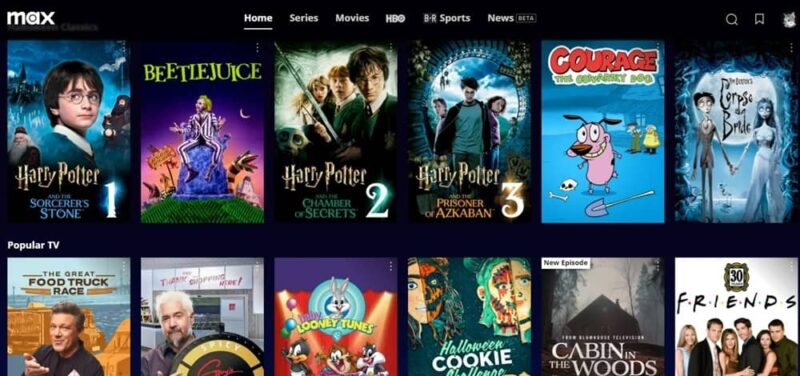
- Every platform has many original TV shows and movies
- Each service’s app is easy to use
- There’s something available for all ages
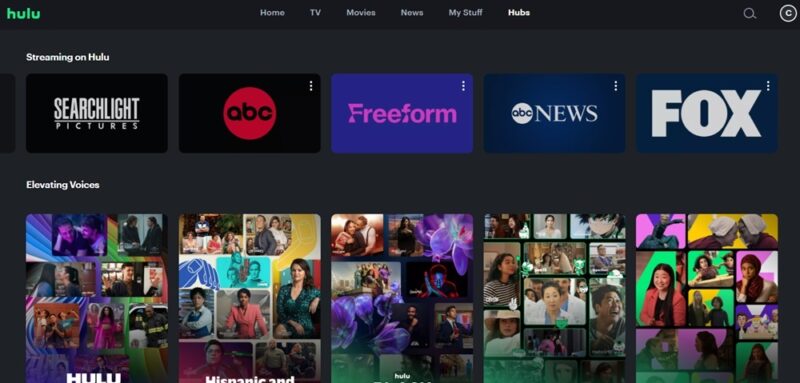
- Catch the latest shows from ABC, Fox, FX, and more on Hulu (all listed in convenient hubs)
- Offers some live content
- Watch much of the content within a single app
- Growing selection of anime (anime streaming apps do it better, though)
I’ve tried the ad-supported version, and it wasn’t bad. For most movies and shows, I had anywhere from two to five minutes of commercials throughout, divided between two to four ad breaks. But the ads play at weird times, and frankly, I just didn’t want to sit through ads.
Why the Bundle’s Better Than Netflix and Amazon Prime Video
For me, the cost savings alone is worth it for the bundle. For example, the Netflix Standard plan without ads is $15.49/month. For less than twice this price, I get three premium streaming services. Plus, there’s just not enough original content I enjoy to keep me coming back.
Amazon Prime costs $14.99/month or $139/year. Of course, if you often use many of the other Prime benefits, Amazon Prime is worth subscribing to. But since Amazon added in ads and requires an extra $3/month to go ad-free, it makes the ad-free Amazon Prime Video $17.99/month.
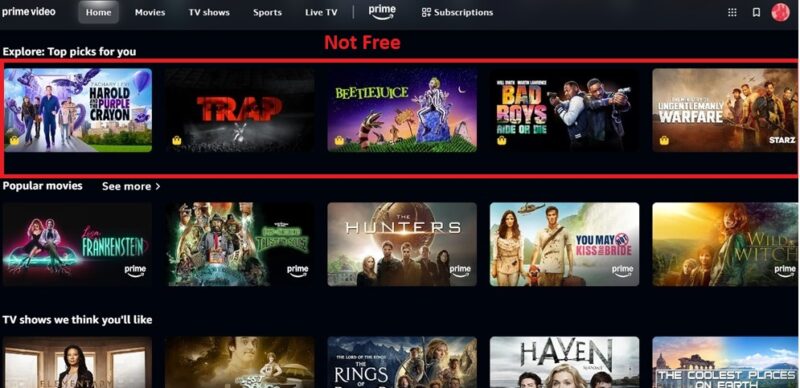
Admittedly, I have Amazon Prime for free shipping, but rarely watch anything. I can’t stand the interface. It’s so confusing trying to figure out what’s included and what’s to buy/rent. When I’m on a streaming app, it shouldn’t be a scavenger hunt to find what’s included in my subscription.
YouTube Premium
If you told me that I could only have one premium streaming service, YouTube Premium would be it. If you often watch YouTube, you’re probably tired of being force-fed an increasing number of ads. I can’t tell you how many times I’ve had videos freeze because an ad didn’t load right.
For me, the cost of going ad-free is well worth it because I use YouTube in a variety of ways, including:
- Home gym – endless fitness videos mean I never need to go to the gym, saving me money on gas and a membership.
- Learn new skills – I’ve learned to cross stitch, crochet, play guitar, dance, play piano, woodworking, and more. Professional lessons cost much more than YouTube Premium.
- Stay focused while working – I’ve fallen in love with Pomodoro videos and lo-fi focus music to help stay more focused while working. And, with ad-free, I can play videos in the background.
- Watch free movies – while YouTube’s free movie selection doesn’t have the latest blockbusters, they’re still free, and with Premium, they’re ad-free, too.
- YouTube Music Premium included – this is $10.99/month on its own, but you get both services for just $13.99/month.
- Watch content offline – we all know there are ways to download YouTube videos, but this way is completely legal, which is nice.
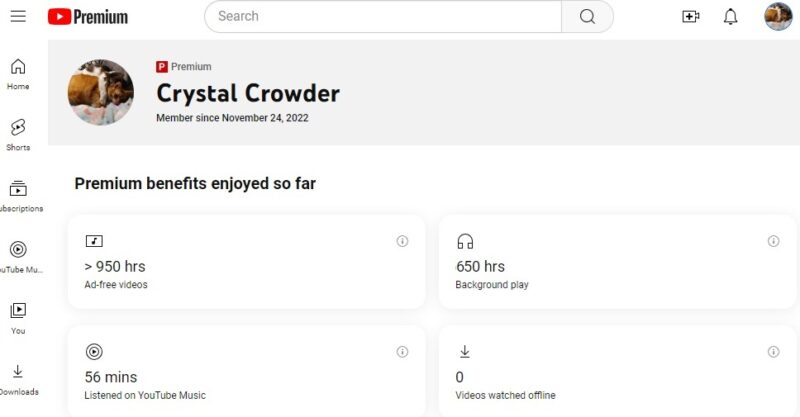
Just to give you an idea of how much time you save going ad-free, I watched YouTube normally for a week, which ended up being two to three hours a day. This includes time I was listening, but not watching. I had to watch/listen to approximately 30 minutes of ads each day. In a week, I get an extra 3.5 hours of content just by eliminating ads.
Subscribe to Spotify for Music?
You’re probably asking yourself why bother with Spotify if YouTube Music Premium is included with YouTube Premium. For me, it’s because YouTube does a horrible job at keeping their apps separate. I can customize artists, create playlists, and like as many songs as I want on YouTube Music, but if I listen to one lo-fi video on YouTube, 90 percent of YouTube Music recommendations are lo-fi.
Just because I watch something, doesn’t mean I want it on a music playlist. Hopefully, one day, YouTube will listen to subscribers and not merge content between the two services/apps.
Until then, I prefer Spotify. Plus, it seems to work better in terms of recommending new music I’d actually like.
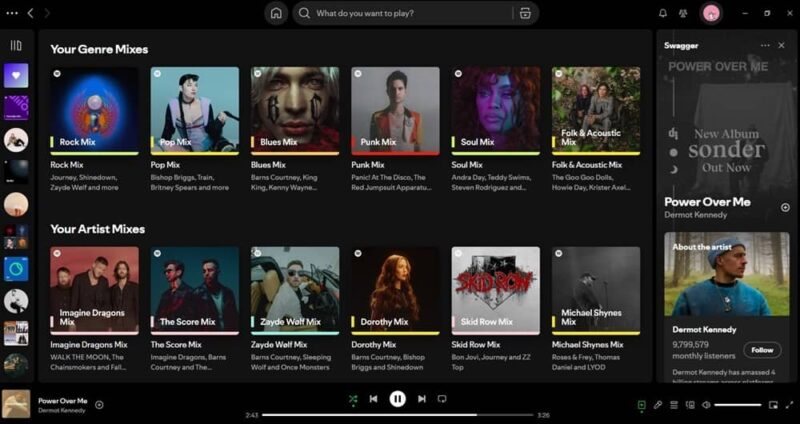
I was using Spotify for two years before YouTube Premium, so I don’t want to have to start over with a new service when I’ve broken in Spotify so well – or substitute with any Spotify alternative.
Supplement With Free Streaming Services
Before you say you need more variety, I’ve yet to run out of stuff to watch or listen to. But I do like to supplement my three premium streaming services with a few free ones. They offer live channels, news, on-demand content, and original content. Personally, Pluto TV (great for CBS content), Tubi (check out the latest FOX reality TV), and Freevee (catch some Amazon Prime content here) are my favorites.
Saving money with streaming services boils down to choosing the best options for you. For me, these three have everything I want.
Image credit: Unsplash. All screenshots by Crystal Crowder.