


Computers can be a complicated topic for some. When something goes wrong, not everyone can simply crack it open and tinker with the hardware. A lot of people depend on the wisdom of repair centers and companies to help get their machines back in working order.
This, unfortunately, does open up the path to people who want to take advantage of the ignorance of others. If someone brings a PC to a manipulative person and asks them to fix it, they could easily perform some shady tactics without the user knowing what was going on. This is how so many PC sellers can get away with selling computers using pirated copies of Windows – they assume the user won’t notice the difference.
Recently, two large companies (Office Depot and Support.com) were collectively fined $35 million dollars due to their malicious practices. They would take in PCs to repair, then lie to the customers in order to get them to pay more for services they don’t need.
What Did They Do?
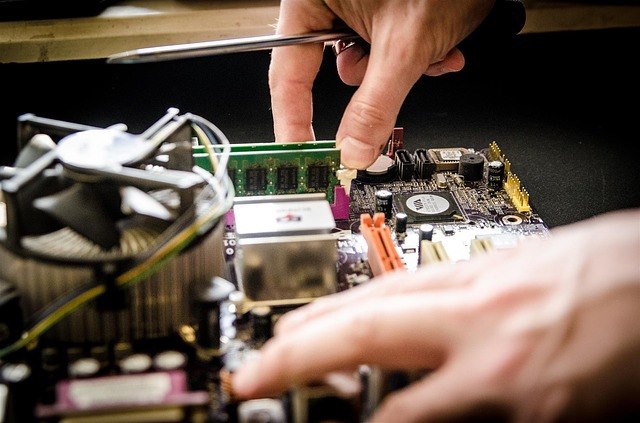
In a news report covering the topic, it was revealed that Office Depot and Support.com both took advantage of customers by claiming they had a malware infection during a scan. This occurred whether or not the computer actually had a malware infestation on it. The objective was to then sell the customer an additional virus and malware scrub which would remove the fake infestation.
This is an example of how companies can make a quick buck off those who aren’t as wise about such things. If someone is so easily swayed to pay up when a reputable repair company tells them their PC has been infected, A lot of money could be made selling a service that people don’t need in the first place. This is why it’s so important to only use trustworthy repair services when getting your PC fixed.
How to Find a Good Repair Service

With so many swindlers out there who are keen to separate you from your money, how do you know who the good people are?
First, it’s important to note that the larger companies aren’t always trustworthy ones. We’ve seen above how this scam was perpetrated by two pretty large repair businesses, so larger numbers don’t necessarily translate into better quality. You’ll have to do a bit of research to find an honest trader.
The best way to find a good repair service is by doing a cursory look on Google Maps. Do a search for “computer repair,” and take a look at the companies that pop up in your local area. You’re looking for services that have both a high rating and a decent amount of reviews.
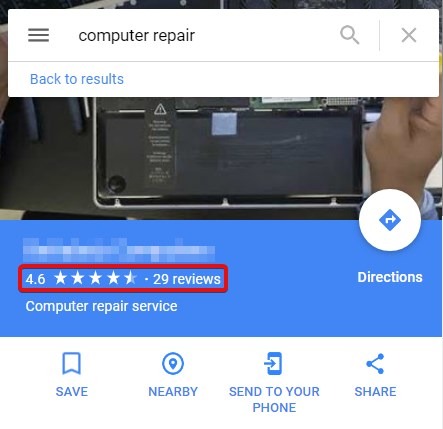
This in itself isn’t perfect, as companies can spoof reviews easily. As such, check the reviewers to see if they’re legitimate. Try the company’s website and see if it’s professionally done. Maybe even drop in to the repair shop and see if it’s your kind of thing. You can use the time to explain your situation and see what they suggest, so you can gauge their skill.
If push comes to shove, however, you can always ask friends and family if they know of any good repair shops or repair specialists. Word of mouth is a very powerful tool, so be sure to inquire around and see if anyone knows a good place to get hardware fixed.
Fixing the Repair Problem
Scammers are always on the hunt to take advantage of those who don’t know better, from small shops all the way to the larger chains. When you’re in need of repair, don’t take it to the first store you come across; do some research before you hand over the goods!
Do you trust repair shops? Or do you prefer to do everything yourself if possible? Let us know below.