


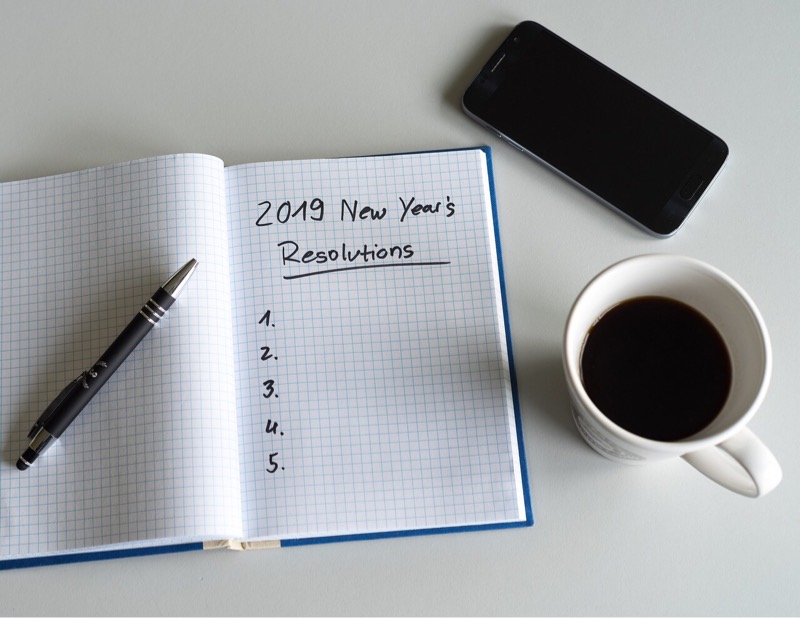
It’s time to get real. You make the same New Year’s resolution every year to get fit. Also every year? By February you’ve already “forgotten” about your goal.
If you’re an Android or Wear OS smartwatch wearer and want to make sure you stick to your resolution at least until February and create some healthy habits, you can join the Google Fit 30-Day Challenge and make a game of it.
Keeping Those Resolutions
With your smartwatch, the Google Fit app, and a 30-day challenge, there are no more excuses. They make it fun and easy to stick to your 2019 fitness resolutions. Google even claims “their” New Year’s resolution is “to make it easier for you to get healthy and have fun doing it.”
Again, you need to have an Android or Wear OS smartwatch and also need the Google Fit app. With those tools, just choose a 30-day challenge that interests you that is scheduled to start on January 1.
All you need to do is log or track your fitness activities with Google Fit or allow Google Fit to automatically detect and log your fitness for you. This will earn you Heart Points along the way. The more you work out and the longer the duration, the more Heart Points you earn.
Anything that gets your heart rate up will score Heart Rate points. You’ll get a point for each minute of moderate activity, whether that’s taking a brisk walk or riding your bike. You’ll get double the points for activities that are more intense, like kickboxing at the gym or going for a run.
150 Heart Points in a week will meet the American Heart Association and World Health Organization’s physical activity recommendations. Following those recommendations has been proven to reduce the risk of heart disease, improve sleep, and increase mental well-being.

The Google blog recognizes that it’s hard to get motivated to work out when it’s cold outside. They have several suggestions, such as going sledding with the kids to earn double Heart Points, shoveling instead of using the snowblower, with extra points for doing your neighbor’s house as well. Parking at the end of the lot and briskly walking, skiing and snowboarding for double Heart points, or taking indoor fitness classes such as a spin class.
If you follow #GetFitWtihGoogle on Instagram and YouTube, you’ll get further inspired by seeing how others are taking on Google’s challenge. You can even share your own workouts and ideas for getting fit to earn your Heart Points.
Furthermore
The Google Fit 30-Day Challenge isn’t going to work unless you put in that effort, hence the use of the word “challenge” in the title. But what they do is inspire you to stick with the program for the entire thirty days. Meeting goals can be as easy or as difficult as you make it, but the app, smartwatch, and challenge make it just that much easier.
Have you set a New Year’s resolution to get fit? How do you intend to stick to your goals and stay motivated? Let us know below in the comments.