
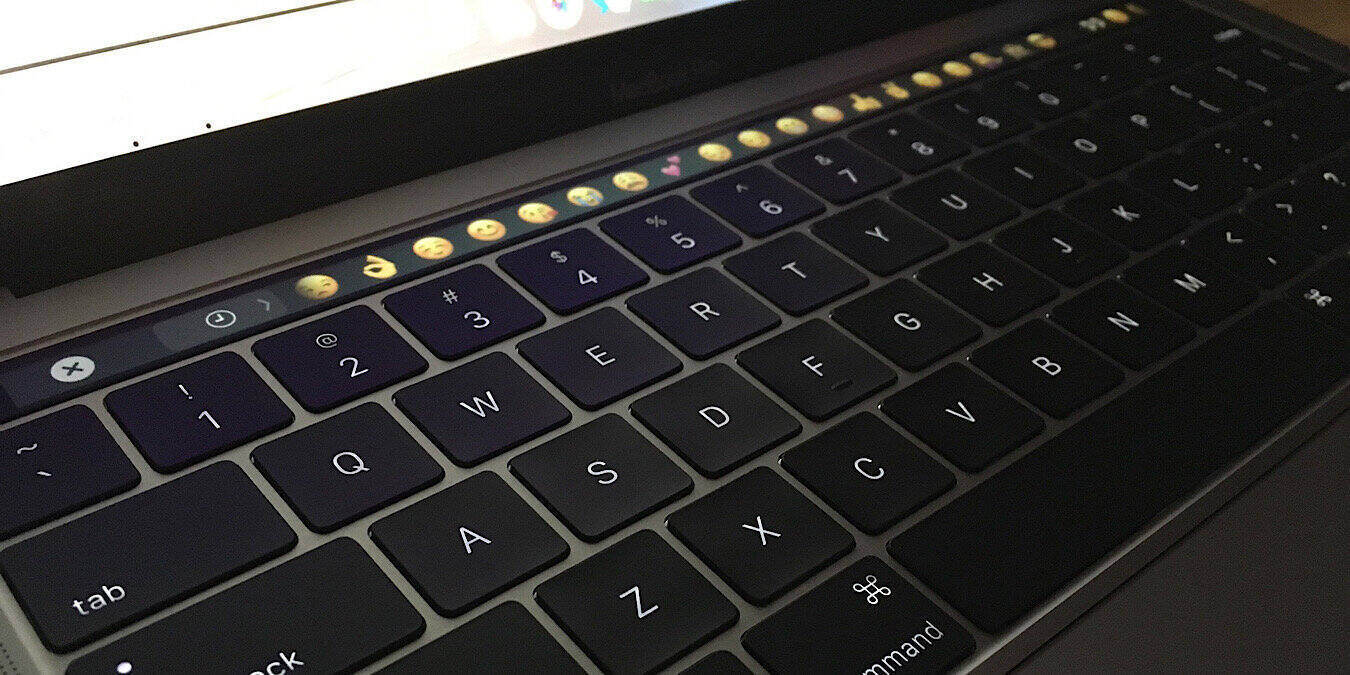

Are you wondering why you’re seeing “Touch Bar” trending all over? The answer is that it’s been widely reported that Apple is ditching the Touch Bar on upcoming MacBook Pros and that it’s also bringing back the MagSafe charger. How valid are these reports?
The Return of MagSafe
This isn’t the first we have heard of Mag Safe in recent months. It actually made its return with iPhone 12 models, snapping onto the back of the handsets as a charging method. It stood to reason that MagSafe wasn’t going to be isolated to the iPhones.
The MagSafe charger was first introduced to Mac laptops in 2006. It was phased out, however, in favor of USB-C ports to keep up with competitors to both power the laptops and transfer data.
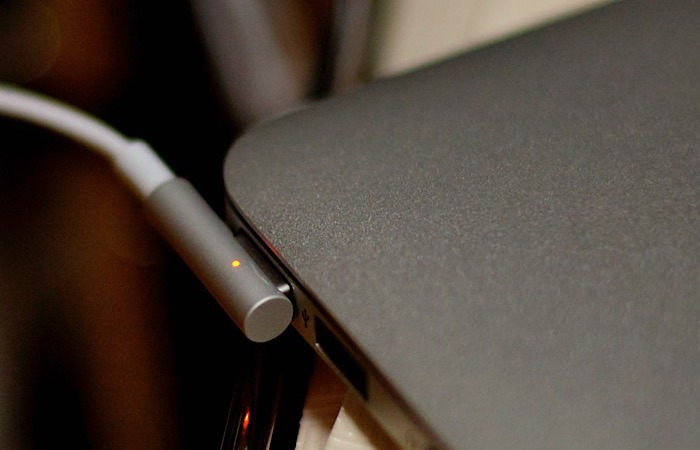
A return of the MagSafe to the newest MacBook Pros will mean if the cord gets tangled, the laptop won’t come crashing down – instead the charger will simply detach. However, the connectors also had their difficulties, with multiple instances of frayed cables and the connectors breaking off inside the laptops.
It also means the new MacBook Pros will be able to charge at a faster rate, according to the unnamed source who brought this news. It will be similar in design to the long tubular shape of the older connector. Apple, however, will still include USB-C ports on the new laptops.
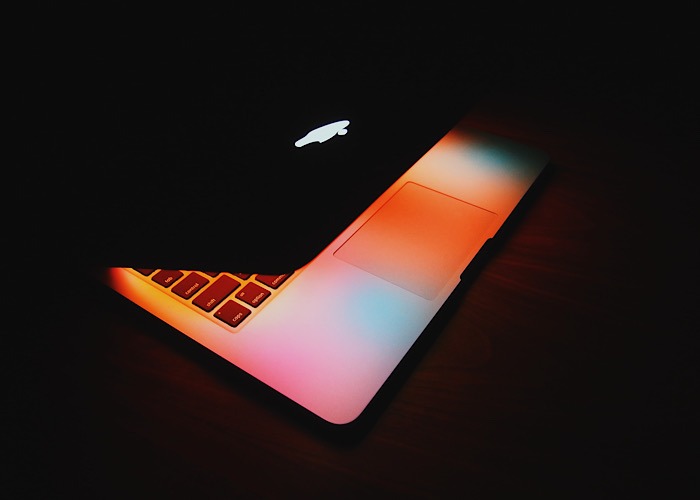
Along with seeing the return of the MagSafe connector, the next MacBook Pros will arrive with 14-inch and 16-inch models and the next-generation Mac processor, the M1 chip. The displays will be brighter, higher-contrast panels.
Goodbye to the Touch Bar
But the return of the MagSafe charger and the other details aren’t what people are talking about. They’re discussing the removal of another feature: the Touch Bar. It made its debut on Apple laptops in 2016. Reputable Apple sources Ming-Chi Kuo and Mark Gurman said Apple is planning on removing the Touch Bar on the new MacBook Pros.
Apple once thought the Touch Bar would be the next great thing. On the top row of the keyboard, this strip is a slim touchscreen that includes customizable controls that change depending on the app being used.
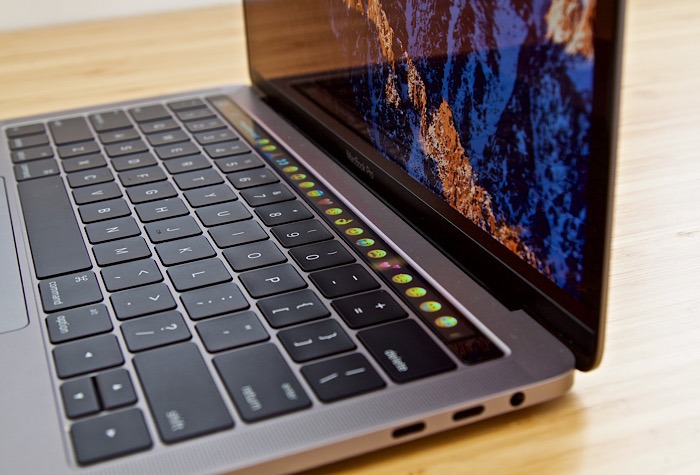
Kuo said in a research note that the Touch Bar would be replaced with a a row of function keys to match previous models of the MacBook Pros and the current MacBook Air. Gurman claimed Apple tested the mew models of the MacBook Pro without the Touch Bar and also indicated in a tweet that it would not be on the new models.
This has Apple users talking so much that “Touch Bar” started trending on Twitter. Some are heralding this move by Apple while others are mourning the loss of their Touch Bar. These new Touch Bar-less MacBook Pros are due to be launched around the middle of 2021.
If you’re unsure how you feel about the death of the Touch Bar, check out this article to learn the most useful things you can do with the MacBook Pro Touch Bar.
Image Credit: MagSafe by cinz and public domain