
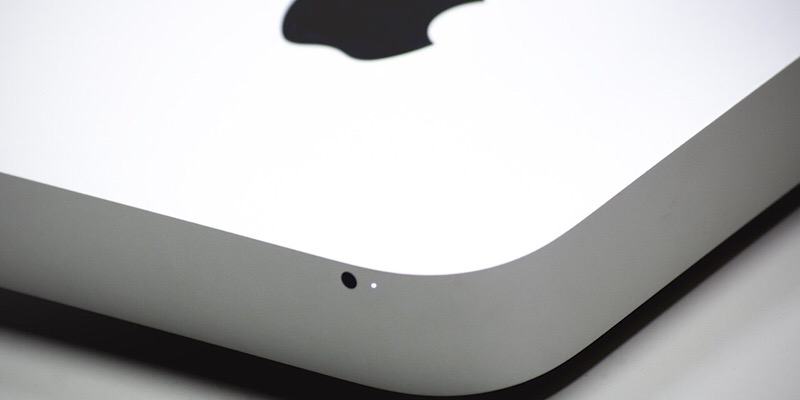

Mac fans were griping when no new Macs were announced this year at WWDC or before. Frankly, it’s been a while. The entire Mac lineup might be updated this year, including the long-awaited Mac Mini.
New Mac Mini
Apple analyst Ming-Chi Kuo has announced that Apple might be updating its line. This includes the iMac, MacBook Pro, and MacBook, and possibly a budget notebook as well. But the biggest news is a possible new Mac Mini, as that hasn’t been updated since 2014, and the hardware for it really hasn’t been changed much over the past few years. It’s very old tech.
Kuo thinks the time is right for a new Mac Mini. Of the few details that are available, it’s expected to get a new processor so that it can compete with the Windows-powered Next Unit of Computing. What isn’t known is if it will just get changes to its guts or whether it will see cosmetic changes as well.
I have some experience in this venue. I’ve been using Macs for work since 1988 and for home use since 1993. I bought a refurbished 2011 Mac Mini several years ago, and it suited me fine for a few years, but now it’s way too outdated.
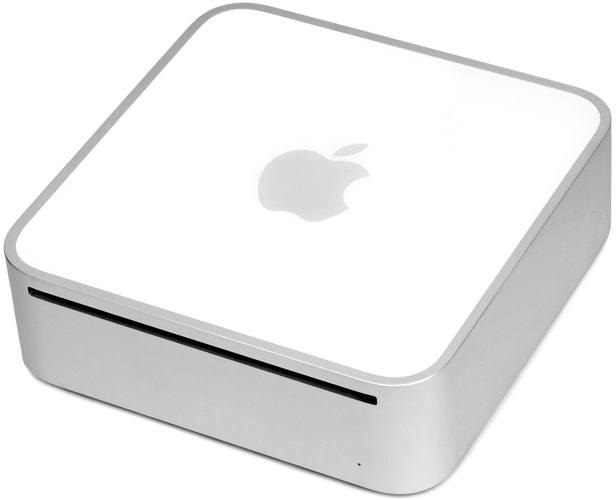
It’s slow and can only run old OS. I had it in for service and was basically told I needed a new one, but at full price for something that hasn’t been upgraded since 2014 and that is basically the same as the 2011 I’m running, there just didn’t seem to be a point.
So this is good news for me, as I suspect it is for other Mac users as well.
Other Macs Too
It’s also been suggested that Apple may be introducing a budget-priced notebook for those who prefer that format to a desktop.
“[Kuo] originally said that this would be in the MacBook Air family, but now has changed his mind,” reported MacRumors. “Previous rumors have suggested this machine could be a 12-inch MacBook, so Apple may be planning to expand the MacBook lineup with an additional low-cost option to replace the MacBook Air.”
That’s not the only new laptops, as Apple is also expected to be updating their MacBook and MacBook Pros. Mac users were looking for something to whet their appetite at WWDC last month, but everything was about new software.
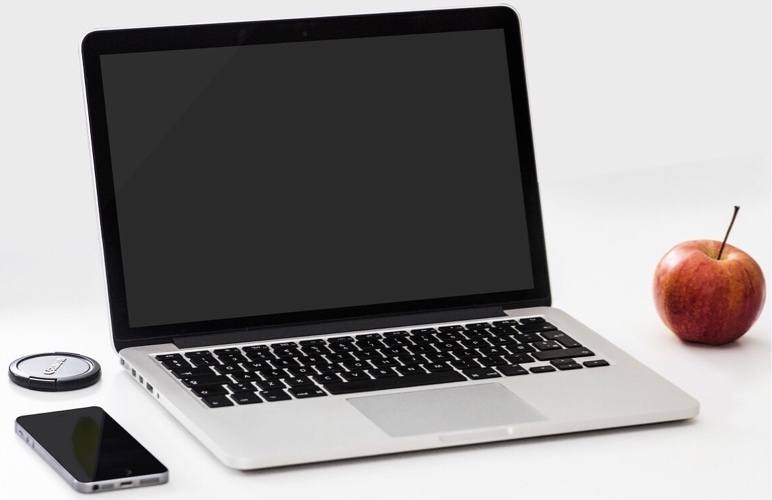
It’s believed that these new units will utilize Intel eighth-generation processors yet keep the same design as current MacBooks and MacBook Pros. It’s not known if or how Apple will fix the keyboard issues with the current models.
But if you don’t want a laptop and want a desktop that has a built-in monitor, the iMac may be getting an update as well with a processor upgrade that is expected to improve performance greatly.
A new Mac Pro is not expected to launch until 2019.
Sounds Great, But When?
As for a time frame you can expect these new Macs, that’s unknown other than sometime in the later half of 2018. But bear in mind we are also expecting the release of three new iPhone models and an iPad with Face ID. Traditionally, the iPhone release happens in September, and iPads have been known to be released in October. When all these new Macs will be released is a wildcard.
What do you think about the release of a new Mac Mini and other Macs? Do you think they waited too long? Let us know your thoughts and concerns in the comments section below.